
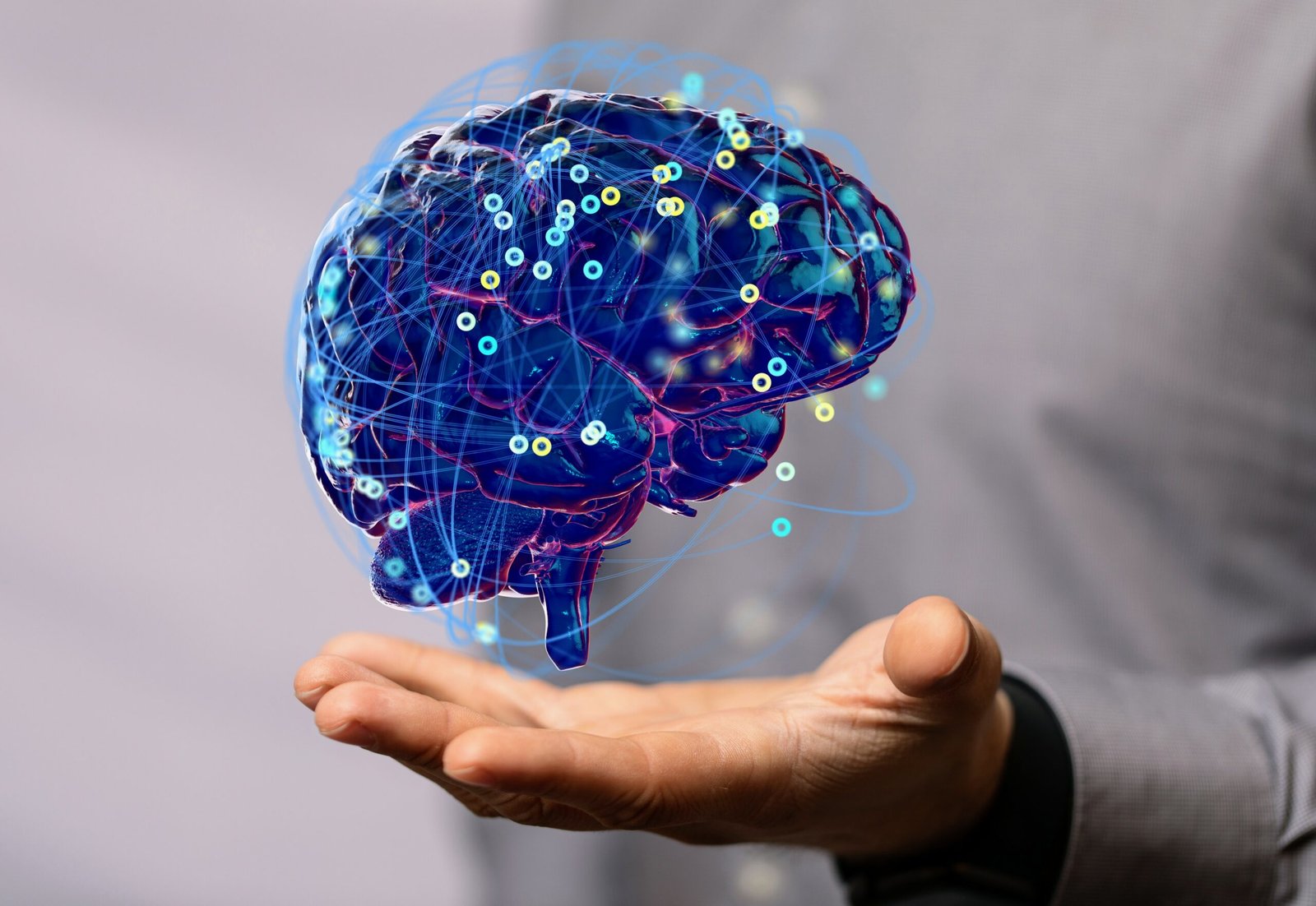
Scientists at Princeton University introduced a Living AI device combining brain cells with programmable electronic computing systems. Researchers believe this breakthrough could transform artificial intelligence development while reducing future energy consumption worldwide. The innovative project merges biology with electronics while creating advanced computational systems inspired by natural intelligence processes.
Researchers developed the device using a three-dimensional mesh containing microscopic wires and integrated electronic electrodes. Scientists designed flexible epoxy materials supporting delicate neurons while maintaining stable electronic communication throughout experiments. Tens of thousands of biological neurons eventually grew naturally around the electronic scaffold during laboratory testing phases. Unlike previous studies, researchers connected electrodes directly within neural networks instead of using external monitoring systems.
The advanced platform allowed scientists to record electrical activity with greater precision across interconnected biological neuron networks. Researchers monitored changing neural behavior continuously during six months of experimental observation and computational testing afterward. During experiments, scientists strengthened important neural connections while studying communication patterns between biological neurons carefully. Researchers later trained computational algorithms to recognize unique electrical pulse patterns generated throughout the biological network successfully.
The Living AI system successfully identified different spatial signal sequences during multiple recognition experiments inside laboratories afterward. Additionally, researchers tested temporal signal variations while evaluating computational performance across increasingly complicated neural activities carefully. Experimental results demonstrated reliable pattern recognition abilities supporting future development involving advanced biological computing technologies worldwide. Scientists now hope that expanding the platform will eventually enable more sophisticated computational tasks using neuron-based intelligence systems.
Lead researcher Tian-Ming Fu originally pursued neuroscience research before recognizing broader applications involving artificial intelligence technologies afterward. Consequently, researchers expanded project goals toward solving growing energy consumption challenges affecting modern artificial intelligence infrastructure globally. Fu explained that human brains consume dramatically less electricity than existing artificial intelligence systems performing comparable computational tasks today. Therefore, researchers believe biological computing technologies could support sustainable artificial intelligence development without increasing worldwide energy demands significantly.
Postdoctoral researcher Kumar Mritunjay emphasized additional medical possibilities involving neurological disease research and treatment advancements afterward. Scientists believe biological neural systems could reveal hidden mechanisms governing human intelligence and brain functionality eventually. Researchers also expect these systems to support future studies investigating disorders affecting communication between neurons inside brains. The project united electrical engineering specialists alongside bioengineering researchers investigating efficient computing through biological intelligence principles successfully.
Scientists published the study in Nature Electronics following extensive testing validating computational reliability across biological networks afterward. Funding organizations supporting collaborative innovation projects across Princeton University contributed resources, advancing groundbreaking biological computing research significantly. Meanwhile, technology experts continue monitoring developments surrounding neuron-powered systems, potentially transforming future artificial intelligence architectures worldwide. Researchers ultimately hope Living AI technologies will revolutionize efficient machine learning while supporting future scientific and medical discoveries globally.