
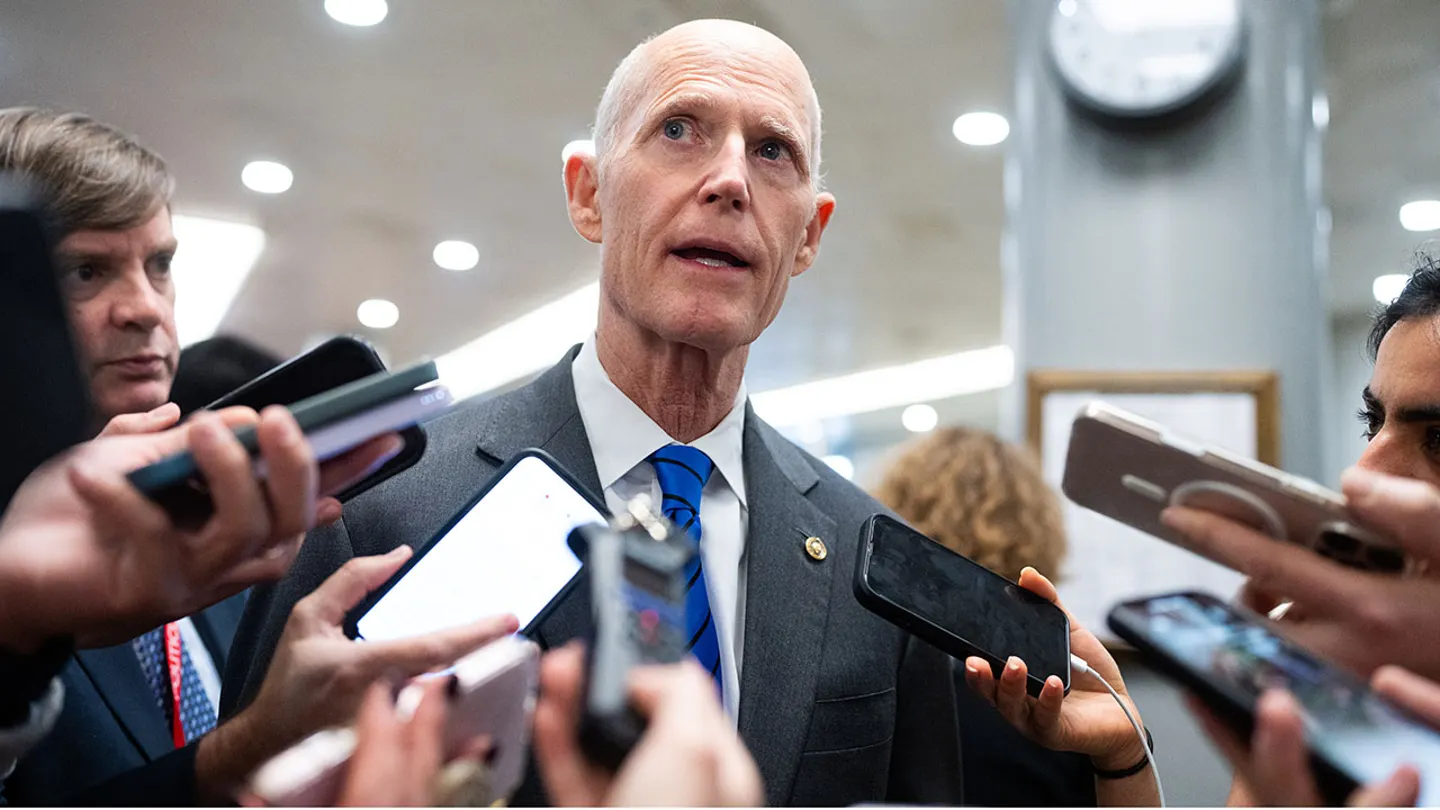
Rick Scott confrontation became a major focus after activists challenged the Florida senator inside a Capitol Hill building. The encounter centered on disagreements over United States policy involving Israel, Iran, and Cuba. Meanwhile, the exchange quickly attracted attention because both sides defended sharply different political positions during the confrontation.
The protest involved members of CodePink, an activist organization known for demonstrations against American military involvement overseas. Several participants followed Scott through a hallway while questioning his positions on recent international conflicts. Additionally, organizers criticized sanctions and military actions that they argued harmed civilians abroad.
During the confrontation, protesters challenged Scott over his continued support for Israel during the conflict involving Hamas. They also questioned recent American military actions connected to Iran and broader regional security concerns. However, Scott defended his positions and argued that terrorist threats remained a significant concern for the United States and its allies.
As the discussion continued, protesters accused Israel of committing serious violations during ongoing military operations in Gaza. Scott immediately redirected the conversation toward Hamas, arguing that the group’s actions should remain central to any discussion. Consequently, both sides continued exchanging arguments while moving through the Capitol hallway.
CodePink co-founder Medea Benjamin joined the demonstration and repeatedly questioned Scott regarding American military operations involving Iran. She argued that continued military involvement increased security risks while creating additional instability throughout the Middle East. Scott rejected those claims and insisted strong deterrence remained necessary against governments pursuing dangerous military capabilities.
The discussion also shifted toward nuclear weapons and regional security concerns involving several countries across the Middle East. Protesters argued that multiple governments possessed advanced weapons capabilities and questioned whether American policy treated every nation equally. Scott maintained that preventing hostile governments from expanding military capabilities remained an important national security objective.
Furthermore, the confrontation expanded beyond Middle Eastern issues and moved toward longstanding American sanctions against Cuba. Benjamin argued that economic restrictions contributed to hardships experienced by ordinary Cuban citizens throughout the island nation. Scott did not accept those accusations and continued defending existing sanctions as an important foreign policy tool.
Throughout the exchange, both Scott and the protesters repeatedly interrupted one another while defending their respective positions. Neither side appeared willing to change its stance as the conversation became increasingly heated before eventually ending. Nevertheless, no physical confrontation occurred during the highly public disagreement.
The demonstration also renewed attention surrounding CodePink and its political advocacy activities across the United States. Critics have questioned the organization’s international relationships and funding sources during previous congressional discussions and public debates. Supporters, however, argue the organization promotes peace through demonstrations opposing military intervention and economic sanctions.
Questions surrounding businessman Neville Roy Singham also resurfaced because of previous reports examining financial connections involving activist organizations. Public reporting has discussed alleged ties between Singham and networks promoting messaging favorable to the Chinese government. Those reports have continued generating political attention, although different parties dispute several related claims and interpretations.
Meanwhile, Scott remained focused on defending his record regarding foreign policy throughout the encounter with protesters. He argued that strong alliances and continued pressure against hostile governments protect American interests and international security. Additionally, he rejected accusations that his positions endangered civilians or increased instability across affected regions.
The Rick Scott confrontation highlighted continuing disagreements surrounding American foreign policy, international sanctions, and military involvement overseas. Lawmakers, advocacy groups, and political organizations continue debating these issues as global conflicts influence domestic political discussions. As similar demonstrations continue across Washington, public disagreements over national security and foreign affairs will likely remain prominent throughout the coming months.

