
The Wilmington Coup remains one of the most significant events in American political history as historians continue examining its lasting consequences. New historical research has renewed attention on the violent overthrow of Wilmington, North Carolina’s legally elected local government in 1898 and its impact on generations of residents.
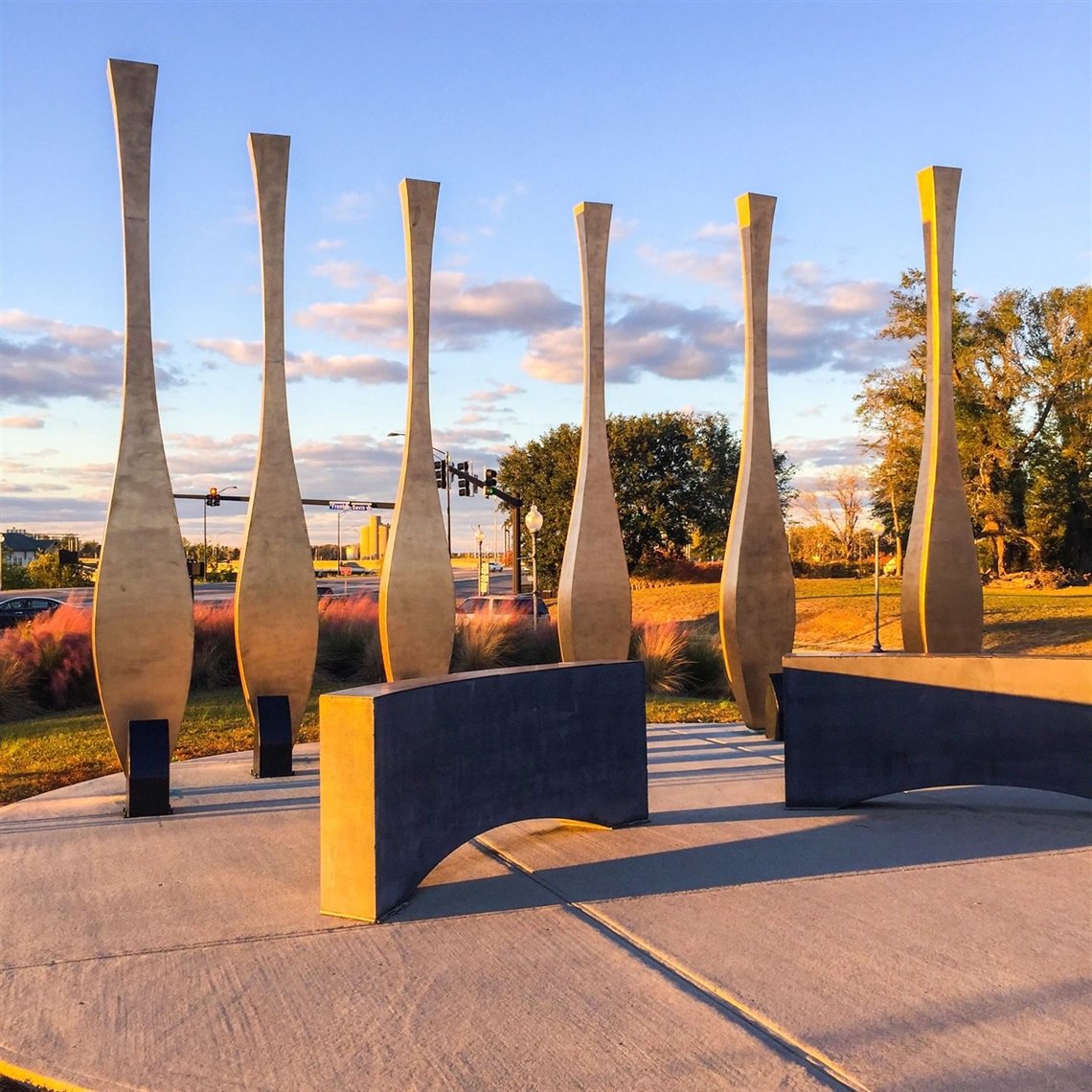
Today, memorials across Wilmington recognize the lives affected during the events that reshaped the city’s political and social landscape. Community educators, historians, and local residents continue sharing the story to increase public understanding of a chapter that remained overlooked for many years.
Many researchers believe education plays an essential role in preserving historical accuracy and encouraging informed discussions about the past. Consequently, local organizations have expanded efforts to present documented accounts through public programs, historical sites, and educational initiatives.
Author Lauren Collins recently explored the events surrounding the Wilmington Coup in a new book examining the political violence that unfolded during 1898. Her research traces how the city’s history influenced later generations while encouraging broader conversations about historical accountability.
Collins grew up in Wilmington and later discovered connections between respected local figures and the organized white supremacist movement. She explained that learning those historical details changed her understanding of both her hometown and its complex past.
During the late nineteenth century, Wilmington stood apart from many Southern cities because Black and white residents shared political influence and leadership positions. However, some political leaders strongly opposed that multiracial system and organized campaigns centered on white supremacy.
According to historians, organizers openly promoted their political objectives while encouraging supporters to reclaim local government through coordinated action. Several community members warned state leaders that growing political tensions could eventually lead to deadly violence.
Those warnings proved accurate as organized groups gathered during November 1898 and began targeting prominent Black institutions throughout Wilmington. Their first major target became the city’s only Black-owned newspaper, which attackers destroyed during the opening stages of the violence.
After destroying the newspaper office, armed groups moved through the city and confronted Black residents in several neighborhoods. Violence quickly spread across Wilmington, resulting in numerous deaths and widespread fear among families attempting to escape the attacks.
Historians continue debating the exact number of victims because official records from that period remain incomplete. Nevertheless, most historical research concludes that dozens, and possibly hundreds, of Black residents lost their lives during the violence.
Among those killed was Joshua Halsey, a Black laborer whose descendants continue sharing his family’s story with later generations. Family members believe he became a target because he had previously exercised his legal rights through the court system.
As violence continued throughout the city, armed groups forced elected officials to resign from local government under direct threats. Consequently, the city’s multiracial leadership collapsed and white Democratic leaders immediately assumed political control.
Historians widely recognize those events as the only successful coup carried out against a legally elected government in United States history. Despite the scale of the violence, authorities never prosecuted anyone responsible for organizing or carrying out the attacks.
Contemporary newspaper coverage frequently portrayed the violence inaccurately, making it more difficult for survivors to challenge false public narratives. Without independent Black media operating locally afterward, many misleading accounts remained unchallenged for decades.
Community leaders appealed to the federal government for assistance following the violence, yet no meaningful intervention occurred at that time. As a result, survivors faced lasting political, economic, and social consequences throughout the following generations.
The effects extended well beyond immediate political change because many Black families permanently left Wilmington after the attacks. Over time, the city’s demographic makeup changed significantly as fewer Black residents remained within the community.
Descendants of both victims and participants continue reflecting on how those historical events shaped family histories and local identity. Some families emphasize accountability, while others believe honest discussion provides the strongest foundation for reconciliation and long-term healing.
Researchers also note that public understanding of the Wilmington Coup has expanded significantly through historical scholarship and educational efforts. Museums, memorials, educators, and community organizations continue encouraging conversations supported by documented historical evidence.
Many historians argue that confronting uncomfortable chapters strengthens historical understanding rather than diminishing appreciation for local communities. They believe acknowledging verified events helps future generations understand both democratic institutions and the consequences of political violence.
The Wilmington Coup continues receiving renewed scholarly attention because its legacy still influences discussions about history, civic education, and democratic governance. As additional research becomes available, historians expect public awareness of the events and their lasting consequences to continue growing.