
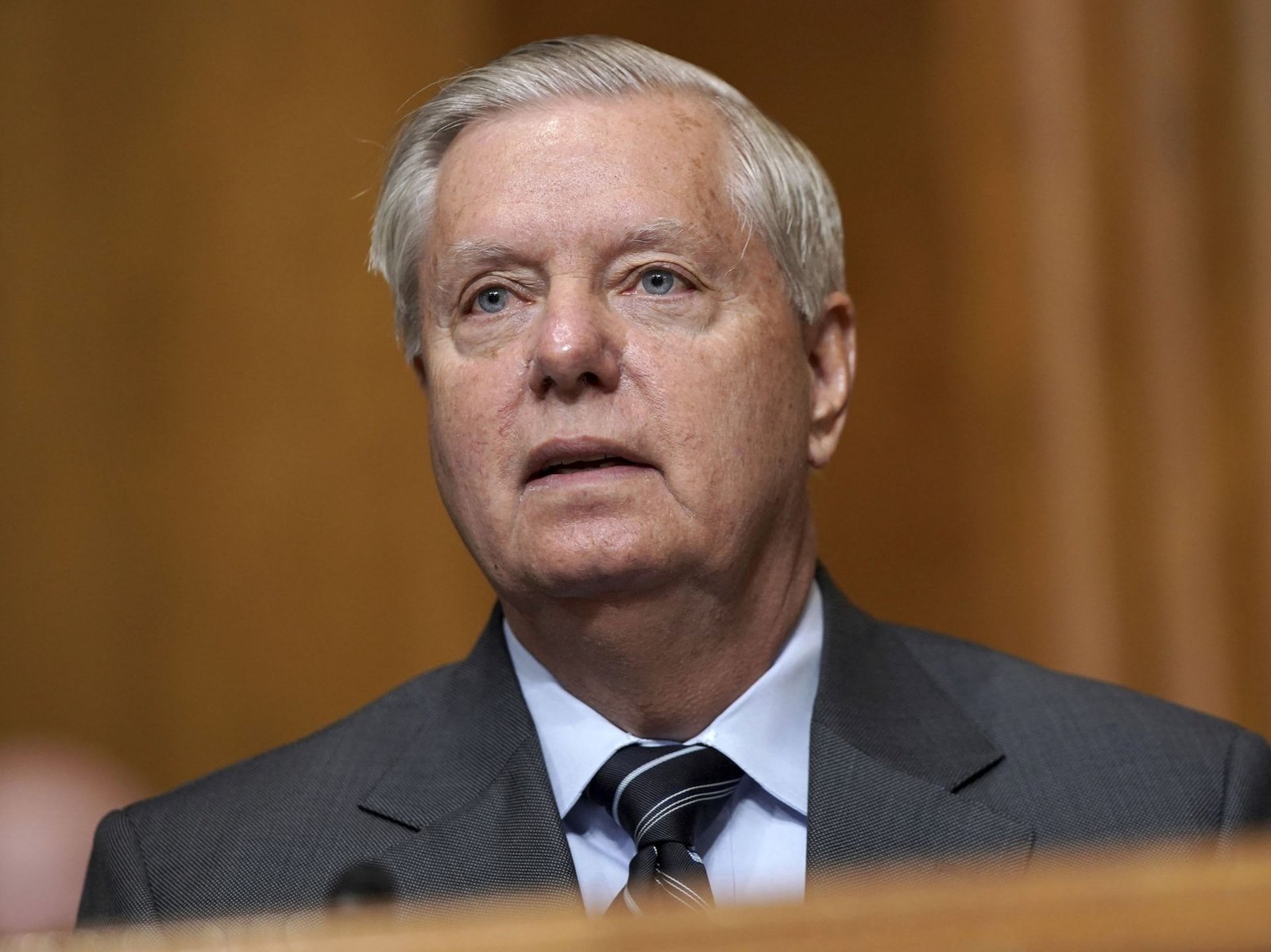
South Carolina leaders have started planning the process for selecting a Graham Successor following Senator Lindsey Graham’s unexpected death over the weekend. State officials must now appoint a temporary senator while preparing a special election to determine who will complete the remainder of the current Senate term.
Governor Henry McMaster will appoint an interim replacement who will serve until January while election officials organize the special Republican primary. At the same time, political leaders across the state have begun evaluating potential candidates interested in seeking the Senate seat.
Graham had been campaigning for a fifth Senate term before his death at the age of 71. As one of South Carolina’s most recognizable Republican leaders, he remained widely expected to compete strongly in the upcoming general election.
His passing has immediately transformed the state’s political landscape and opened one of the country’s highest-profile Senate vacancies. Consequently, several prominent Republican figures have emerged as possible candidates for the position.
Under South Carolina election law, a one-week filing period for the special primary begins on July 21 following the senator’s death. Election officials then plan to hold the Republican primary on August 11 if the current schedule remains unchanged.
Should no candidate secure enough support during the primary, election officials would organize a runoff election on August 25. Afterward, the Republican nominee would have slightly more than two months to campaign before the November general election.
Election administrators must also address federal requirements governing military and overseas voting deadlines before finalizing the election schedule. Therefore, officials may need additional guidance to ensure every stage of the process complies with federal election regulations.
The search for a Graham Successor has already intensified among South Carolina Republicans following confirmation of Graham’s death. Political observers expect the governor’s temporary appointment to receive significant public attention because the appointee could become a leading contender in the special election.
However, Governor McMaster could also choose someone willing to serve only until voters elect a permanent replacement later this year. That decision will likely influence the strategies of candidates considering whether to enter the Republican primary.
Lieutenant Governor Pamela Evette has emerged as one possible contender after recently competing in the Republican race for governor. Although she did not secure her party’s nomination, supporters reportedly believe she could remain competitive in the Senate contest.
Representative Nancy Mace has also attracted attention as another possible candidate for the open Senate seat. Reports indicate she is evaluating whether to enter the special election after deciding not to seek another term in the House.
Representative Russell Fry has also appeared among the names discussed by Republican supporters across South Carolina. Fry has developed close ties with President Donald Trump and represents the rapidly growing Myrtle Beach region.
Representative Joe Wilson addressed speculation regarding his future by expressing his intention to remain in the House of Representatives. He emphasized the importance of maintaining the Republican majority in the chamber rather than pursuing the Senate vacancy.
Businessman Mark Lynch, who previously challenged Graham during the Republican primary campaign, has also drawn some political attention. However, he has not publicly announced whether he intends to seek the Senate nomination.
Treasury Secretary Scott Bessent has likewise appeared in political discussions surrounding the vacancy because of his South Carolina connections. Nevertheless, people familiar with the matter indicated he prefers continuing his current responsibilities within the administration.
The upcoming election will also determine whether Democrats can become more competitive in a state where Republicans have dominated statewide federal races for decades. Democratic nominee Annie Andrews has already built an active campaign organization and raised substantial campaign funding before Graham’s death.
Following the announcement, Andrews encouraged South Carolinians to honor Graham’s public service despite political differences between the two parties. Several political leaders from both parties also offered condolences while recognizing Graham’s decades of service to the state.
Former Democratic opponent Jaime Harrison also expressed respect for Graham’s commitment to South Carolina despite their long-standing political disagreements. Those statements reflected bipartisan recognition of Graham’s influence throughout his congressional career.
Beyond the election itself, South Carolina will also lose one of its most senior voices in the United States Senate. Graham served for more than twenty years, allowing him to secure influential committee assignments and leadership responsibilities.
Senator Tim Scott described Graham as an irreplaceable colleague and close friend while reflecting on their years working together. Scott also emphasized Graham’s lasting impact on both South Carolina and national politics.
The search for a Graham Successor now represents one of the state’s most significant political developments as leaders prepare for the appointment process and special election. Over the coming months, South Carolina voters will determine who inherits one of the state’s most influential Senate seats and continues representing their interests in Washington.