
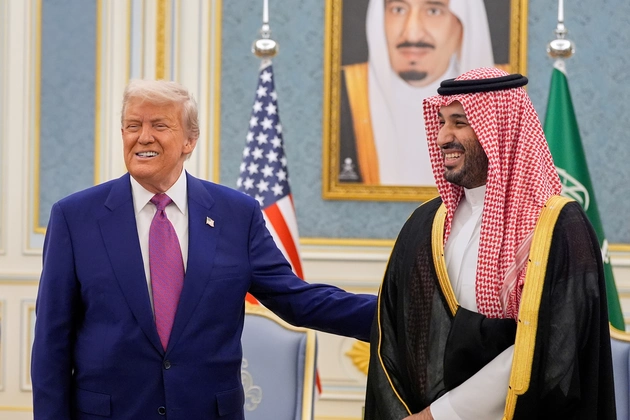
Nuclear Agreement has become the focus of renewed attention after the United States and Saudi Arabia signed a major civilian nuclear cooperation framework. The agreement strengthens energy cooperation between both countries while opening a new chapter in their long-term strategic partnership. However, the proposal also raises questions about future oversight, uranium enrichment, and regional security as Congress prepares its review.
The U.S. Department of Energy announced that Energy Secretary Chris Wright and Saudi Energy Minister Prince Abdulaziz bin Salman signed the agreement. In addition, both governments finalized a bilateral safeguards arrangement designed to support peaceful nuclear cooperation. Officials described the partnership as an important milestone for expanding energy collaboration between both allies.
Although officials have not released every detail, lawmakers will review the agreement before it takes full effect. Therefore, congressional committees will examine its safeguards, oversight measures, and compliance with American nonproliferation requirements. Several legislators have already indicated they want detailed answers before supporting the proposal.
Civilian nuclear cooperation between Washington and Riyadh has remained under discussion for several years. Successive administrations explored similar agreements but never completed a final framework. However, negotiations continued because both governments viewed nuclear energy as an important part of their future economic and energy strategies.
The agreement arrives during heightened regional tensions involving Iran’s nuclear program. Consequently, critics argue that approving civilian nuclear cooperation now could create difficult diplomatic challenges across the Middle East. Supporters, however, maintain the agreement follows peaceful objectives while strengthening American influence throughout the region.
Officials stated the Nuclear Agreement supports American economic interests through expanded exports of nuclear technology and related services. They also expect the partnership to create skilled jobs while strengthening long-term commercial opportunities for American companies. Furthermore, officials believe the agreement will reinforce broader energy and security cooperation between both nations.
Administration officials emphasized that the framework follows recognized nuclear safety principles and international nonproliferation standards. They argued American technology provides reliable safeguards while supporting peaceful civilian nuclear development. Additionally, they said close cooperation offers stronger oversight than alternative international partnerships.
Some analysts nevertheless questioned whether future monitoring provisions will match previous international nuclear inspection arrangements. Consequently, they urged lawmakers to carefully examine verification measures before granting final approval. Others also called for additional transparency regarding uranium enrichment provisions contained within the agreement.
Supporters countered that Saudi Arabia seeks to diversify its energy sector beyond traditional oil production. They argued civilian nuclear power can strengthen long-term electricity generation while supporting economic modernization goals. Moreover, they said broader energy diversification reduces dependence on a single resource over time.
American officials also stressed important geopolitical considerations during negotiations with Saudi Arabia. They argued continued cooperation helps maintain strong strategic relationships while limiting opportunities for competing global powers. Therefore, officials described the agreement as beneficial for long-term American diplomatic and economic interests.
Industry representatives welcomed the announcement and predicted increased investment opportunities across the American nuclear sector. They also expect the partnership to encourage additional research, manufacturing, engineering, and technology development. Furthermore, business leaders believe future projects could generate lasting economic benefits for both countries.
Meanwhile, lawmakers from both parties will continue reviewing the agreement before deciding whether additional conditions are necessary. Their examination will likely focus on security protections, inspection procedures, and long-term compliance requirements. As Congress evaluates the proposal, the Nuclear Agreement remains an important development shaping future U.S.-Saudi relations and broader regional energy cooperation.

