
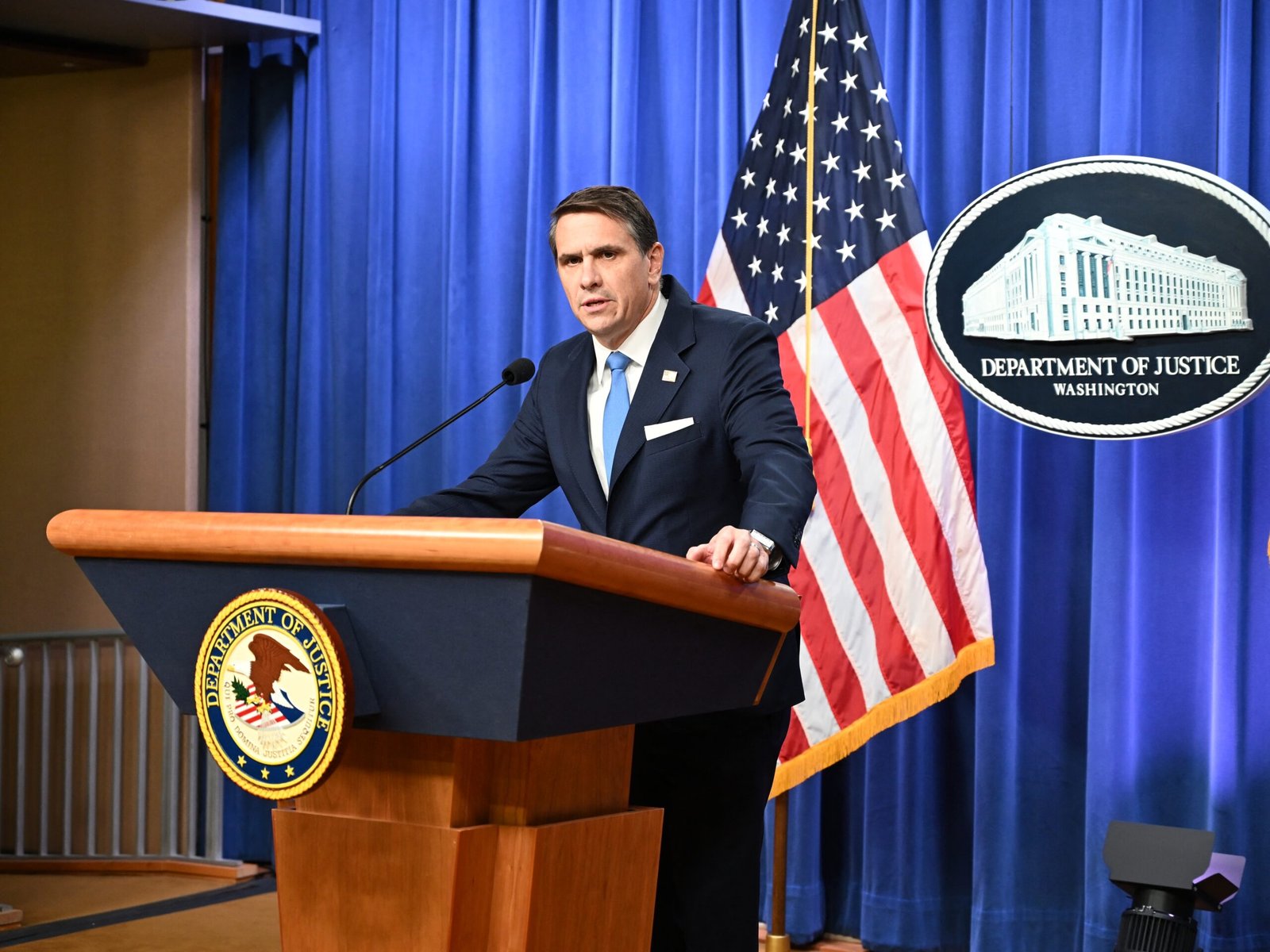
A new government review in the United States has triggered debate across the political and legal landscape. The report focuses on what officials describe as federal law weaponization within previous Justice Department enforcement decisions.
First, a Justice Department working group reviewed hundreds of thousands of internal documents. Investigators examined communications, case files, and prosecution decisions. As a result, officials said the review revealed patterns they describe as federal law weaponization.
Officials argued that earlier enforcement decisions targeted pro-life activists more aggressively than other groups. Therefore, the report claims prosecutors applied the Freedom of Access to Clinic Entrances Act unevenly.
The review analyzed more than 700,000 internal records. Investigators studied emails, legal discussions, and enforcement planning. Through this process, officials concluded that federal law weaponization occurred during several prosecutions.
According to the report, Justice Department lawyers worked closely with abortion rights organizations during investigations. These groups allegedly shared information about activists and advocacy efforts. Investigators said prosecutors sometimes requested details about travel activity and protest planning.
Furthermore, the report claims prosecutors monitored several activists over long periods before filing charges. Officials argued that this monitoring raised concerns about the protection of constitutional rights.
In addition, investigators criticized certain courtroom strategies used during prosecutions. The report claims some prosecutors withheld requested evidence during legal proceedings. Officials also criticized attempts to remove jurors based on religious beliefs.
Moreover, investigators questioned arrest procedures used in some cases. Instead of allowing voluntary surrender, prosecutors sometimes ordered aggressive arrest actions. Critics argued that such tactics increased tensions around politically sensitive cases.
The report also examined financial connections involving advocacy organizations. According to investigators, a lead prosecutor served as a reference for a grant application connected to an abortion rights organization. Officials said they found no record of ethics approval for that involvement.
Meanwhile, sentencing requests also drew scrutiny. The review claims prosecutors requested longer prison terms for pro-life activists than for some defendants accused of violent actions against abortion facilities.
Supporters of the report argue that these patterns demonstrate federal law weaponization in legal enforcement. They claim such actions undermined trust in the justice system.
However, critics dispute those conclusions. Some legal experts argue that prosecutors simply enforced existing laws that protect clinic access. They also warn that political investigations could damage the independence of the Justice Department.
At the same time, current Justice Department leaders say they plan to change enforcement policies. Officials stated that future cases under the clinic access law will require stronger evidence and more serious circumstances.
In addition, the government has already taken several steps following the review. Authorities dismissed multiple civil lawsuits involving pro-life activists. Officials also reviewed internal disciplinary actions related to earlier cases.
Furthermore, leadership emphasized the importance of equal treatment under the law. They said prosecutors must enforce laws without political bias.
The debate surrounding federal law weaponization now continues across the United States. Lawmakers, advocacy groups, and legal experts will likely examine the report closely in the coming months.
The controversy highlights the ongoing national dispute over abortion policy and legal enforcement. As a result, many observers expect further political and legal discussions.
For now, the Justice Department says it will continue reviewing complaints and legal concerns. Officials claim they want to restore public trust and ensure consistent law enforcement.

