
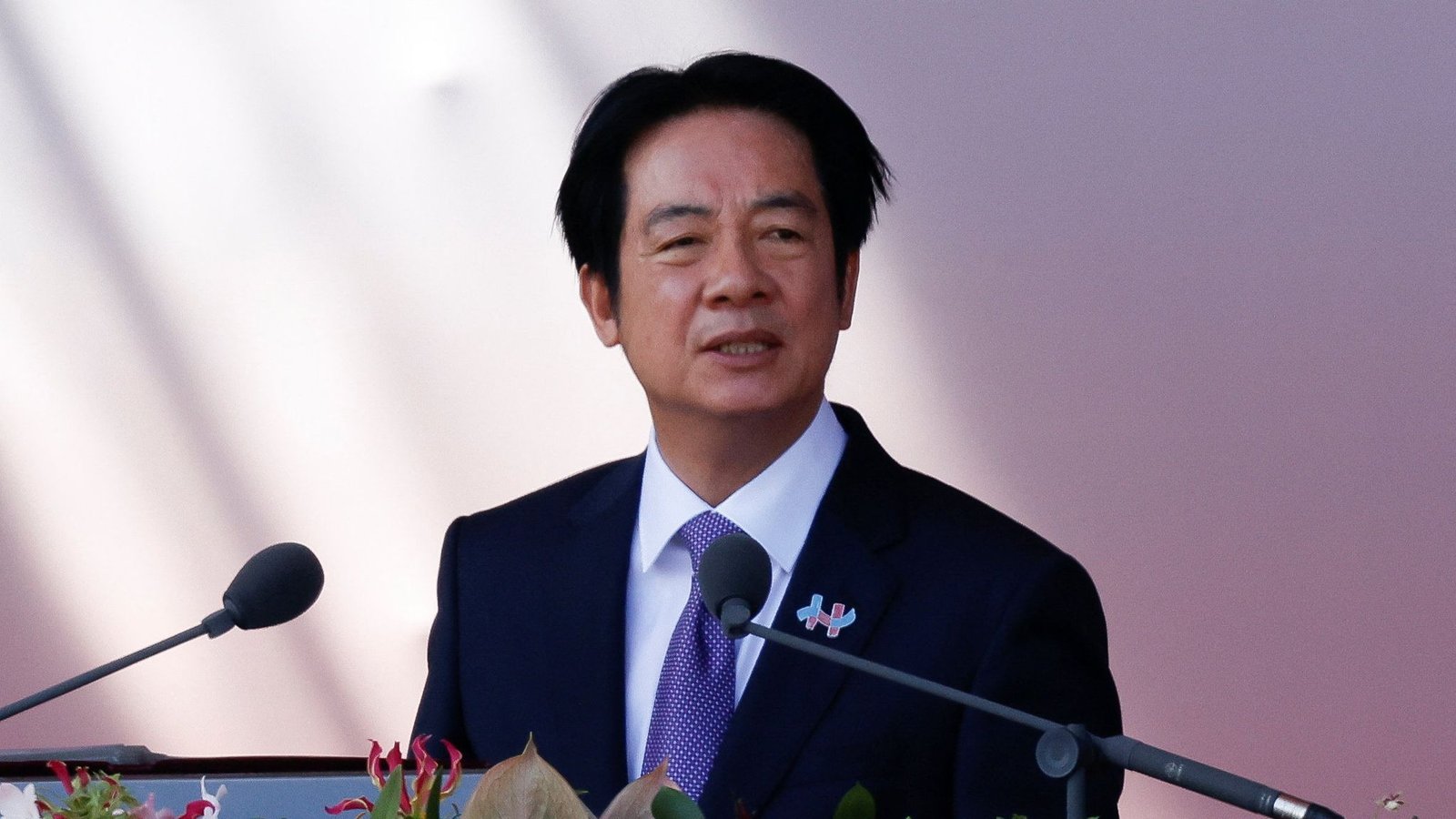
Taiwan Talks gained international attention after Lai Ching-te expressed willingness to discuss regional issues directly with American leadership recently. The statement followed remarks from Donald Trump regarding possible communication involving future policy decisions concerning Taiwan. Furthermore, officials across Asia closely monitored developments because direct presidential communication could reshape long-standing diplomatic practices internationally today.
Trump told reporters he planned to speak with Lai while discussions continued regarding military equipment sales involving Taiwan. The comments arrived shortly after Trump completed meetings with Xi Jinping during an important diplomatic visit to Beijing recently. Additionally, Trump described his discussions with Xi positively while emphasizing ongoing attention toward regional stability and Taiwan-related concerns.
Lai later responded publicly through Taiwan’s foreign ministry while emphasizing continued support for regional peace and stability efforts internationally. He stated Taiwan remained committed to maintaining calm conditions throughout the Taiwan Strait despite growing geopolitical tensions recently. Moreover, Lai expressed openness toward discussing important security matters directly with Trump if future opportunities become available officially.
Taiwan Talks also attracted attention because direct communication between serving American and Taiwanese presidents remains historically uncommon internationally today. The United States changed official diplomatic recognition from Taipei to Beijing during the late nineteen-seventies historically afterward. Since that policy shift occurred, leaders from both governments rarely communicated directly through official presidential conversations publicly afterward.
Trump previously accepted a telephone call from former Taiwanese President Tsai Ing-wen in 2016 after winning the elections. That conversation generated international reactions because diplomats traditionally avoided direct presidential communication involving Taiwan and American administrations historically. Consequently, recent comments regarding possible discussions between Trump and Lai have attracted global diplomatic and political interest.
Meanwhile, China continues viewing Taiwan as part of its national territory despite the separate governance maintained by Taipei currently. Chinese officials repeatedly emphasized opposition toward foreign governmental exchanges involving Taiwan and senior American political leaders afterward. Furthermore, Beijing consistently criticized military cooperation agreements involving Taiwan while encouraging continued adherence to existing diplomatic understandings internationally today.
Taiwan Talks intensified further after Trump suggested military support discussions could influence broader negotiations involving China and regional security. Taiwan’s government afterward stressed that American policy toward Taiwan remained unchanged despite growing international speculation regarding future developments. Officials additionally emphasized continued cooperation between Taipei and Washington concerning defense planning, economic partnerships, and broader regional stability objectives.
Taiwan relies significantly upon American support while strengthening defense preparedness amid increasing regional military pressures currently facing Asia today. Leaders within Taiwan have also encouraged expanded investments and stronger partnerships involving technology, manufacturing, and strategic economic cooperation internationally recently. Consequently, discussions involving military assistance and diplomatic communication continue influencing broader geopolitical conversations throughout the Asia-Pacific region presently.
International observers noted that direct communication between Trump and Lai could produce important diplomatic consequences involving China internationally afterward. However, analysts also explained that ongoing conversations between governments frequently help reduce misunderstandings during politically sensitive regional situations globally today. Therefore, many governments continue to carefully observe future developments involving Taiwan, China, and the United States internationally during the upcoming weeks.
Taiwan Talks remain central within broader regional discussions as international leaders evaluate changing diplomatic and security relationships worldwide presently. Although uncertainty continues surrounding future communication between Trump and Lai, both governments expressed interest in maintaining dialogue afterward. Meanwhile, global attention remains focused on how future discussions could influence political stability throughout the Asia-Pacific region internationally.

