
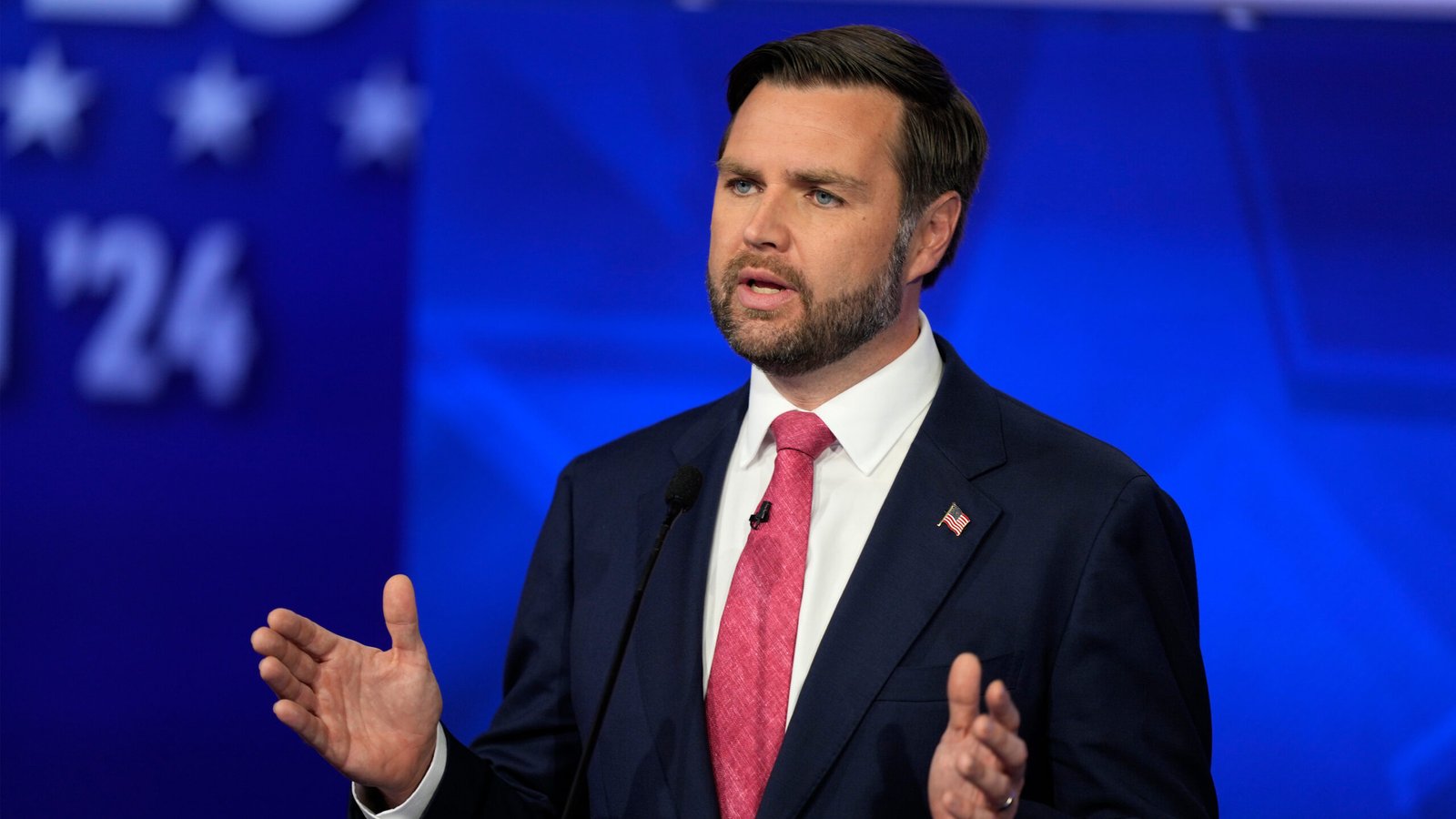
U.S. Iran Negotiations remained at the center of foreign policy discussions after Vice President J.D. Vance addressed ongoing diplomatic efforts involving Tehran and Israel. Meanwhile, he emphasized that American officials continue prioritizing national security interests while pursuing a long-term solution to concerns surrounding Iran’s nuclear activities. Additionally, his remarks highlighted the complex balance between maintaining close ties with Israel and advancing broader strategic objectives across the Middle East.
During a recent interview, Vance explained that the United States and Israel share many important interests. However, he acknowledged that both countries occasionally approach regional challenges from different perspectives. Furthermore, he stated that Washington’s primary objective is to prevent Iran from developing a nuclear weapon. Consequently, American policymakers continue evaluating diplomatic options while keeping other measures available if negotiations fail.
Recent reports concerning alleged surveillance activities involving American officials have also increased attention on relations between Washington and Jerusalem. Additionally, questions emerged regarding intelligence gathering connected to negotiations involving Iran. Although these developments generated concern among some policymakers, officials continue emphasizing cooperation between the two longstanding allies. Therefore, discussions about regional security remain active despite occasional disagreements over strategy and priorities.
Moreover, Vance argued that U.S. policy decisions must ultimately reflect American interests above all other considerations. He noted that allies may not always support every diplomatic initiative pursued by Washington. Nevertheless, he maintained that current efforts create opportunities for a more durable agreement addressing nuclear concerns. Consequently, administration officials continue promoting negotiations as the preferred path toward long-term regional stability.
U.S. Iran Negotiations have gained renewed importance following recent military tensions between Israel and Iran. Furthermore, regional leaders continue assessing the impact of previous ceasefire agreements and diplomatic initiatives. As a result, governments throughout the region remain closely focused on developments surrounding future negotiations and security arrangements.
Meanwhile, Vance expressed cautious optimism regarding the direction of ongoing diplomatic talks. Additionally, he suggested that Iranian representatives have presented proposals that officials consider worthy of further examination. However, he stressed that negotiators should remain vigilant throughout every stage of the process. Therefore, American officials continue approaching discussions with a focus on verification and accountability.
Vance also argued that successful agreements require strong monitoring systems and effective inspection mechanisms. Moreover, he stated that future arrangements must include safeguards capable of confirming compliance over extended periods. Consequently, verification measures remain a central component of current diplomatic planning and negotiations.
Ultimately, U.S. Iran Negotiations continue shaping American foreign policy decisions as leaders seek diplomatic solutions to regional security challenges. Meanwhile, officials remain committed to pursuing agreements that protect national interests while preventing future nuclear threats.

