
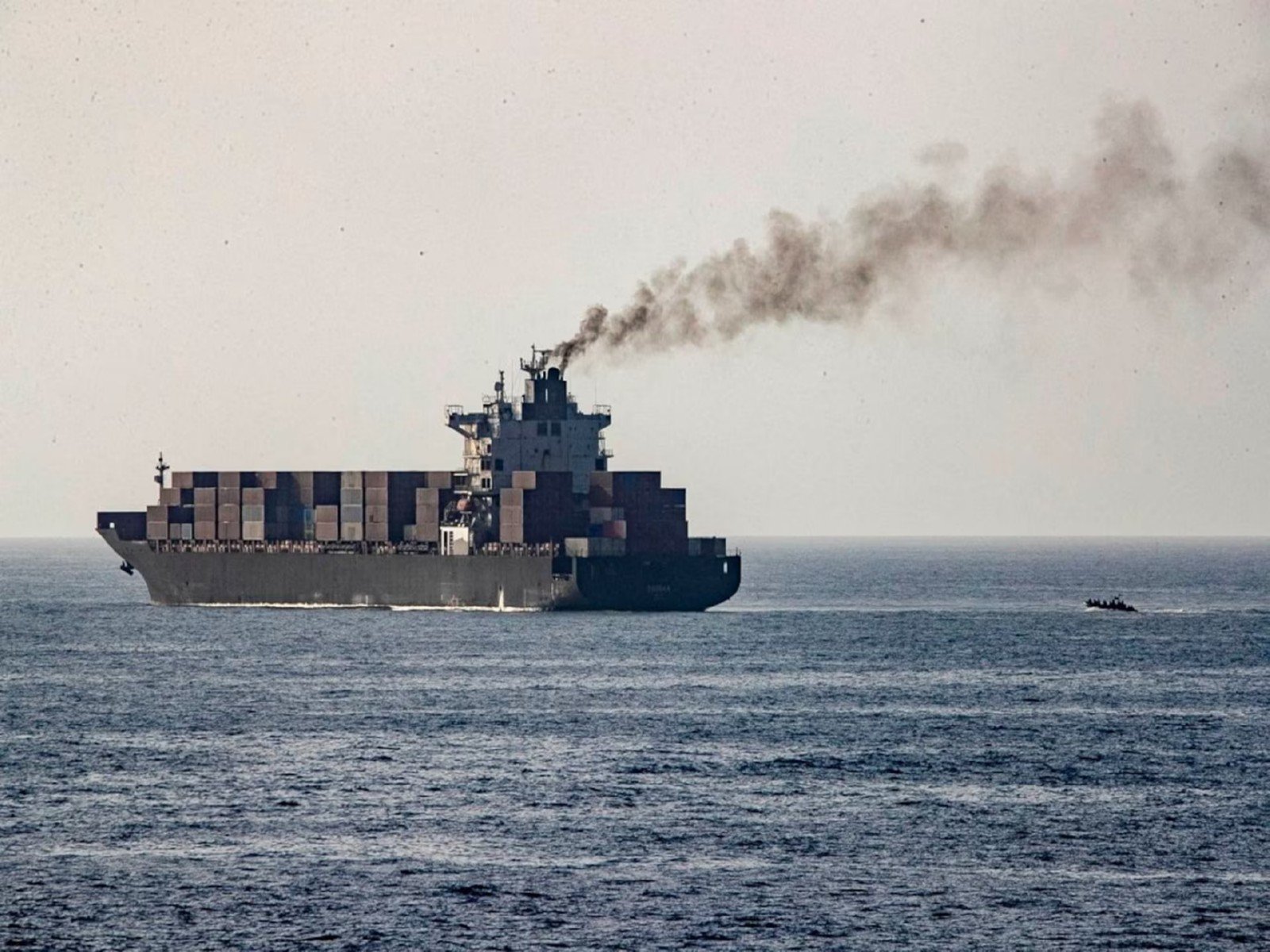
Iran Strait tensions increased after U.S. forces stopped a commercial vessel heading toward an Iranian port. According to military officials, the ship ignored multiple warnings during its voyage. Consequently, U.S. forces launched a strike that disabled the vessel’s engine. The action left the ship stranded in regional waters.
Furthermore, military officials said the vessel attempted to bypass restrictions linked to a maritime blockade. Authorities stated that crews issued numerous warnings before taking action. However, the ship continued its course. As a result, forces intervened to stop the journey.
Meanwhile, the incident added another layer of uncertainty to an already fragile regional situation. Recent clashes between Iran, the United States, and Israel have increased tensions across the Middle East. Although a ceasefire currently remains in place, negotiations continue over a possible long-term agreement. Therefore, many governments continue monitoring developments closely.
Additionally, military officials reported several previous attempts to challenge the blockade. Authorities said forces redirected many vessels away from restricted areas. However, only a limited number of ships received permission to continue their voyages. Consequently, officials claim the blockade continues to affect maritime traffic throughout the region.
The United States launched the blockade after major disruptions affected shipping routes near Iran. Washington argues that the measures limit Iranian trade activities and reduce financial resources available to Tehran. Therefore, U.S. officials continue enforcing restrictions on vessels heading toward Iranian ports.
At the same time, discussions over a broader agreement continue behind closed doors. U.S. President Donald Trump recently met with advisers to review diplomatic options. However, officials have not announced a final decision. Therefore, uncertainty continues surrounding the future of regional trade and security.
According to officials familiar with the discussions, negotiators have drafted a framework for a possible agreement. The proposal could extend the ceasefire and reopen important shipping routes. In addition, the plan could include measures addressing Iran’s nuclear activities. However, Iranian officials continue disputing reports about a finalized agreement.
Meanwhile, commercial vessels still travel through the Strait of Hormuz. However, shipping volumes remain far below normal levels. Iran continues asserting authority over traffic passing through the area. Furthermore, Iranian military officials warned foreign vessels against interference. Consequently, many shipping companies remain cautious.
Iran Strait tensions have also created concerns for international trade. The Strait of Hormuz serves as one of the world’s most important maritime corridors. Large quantities of oil, natural gas, and industrial materials move through the route each year. Therefore, disruptions in the area often affect global markets.
Moreover, regional governments continue debating rules governing maritime transit. Some officials oppose transit fees and restrictions. Others support temporary measures to improve security and navigation. Nevertheless, leaders continue searching for solutions that could restore normal shipping activity.
In addition, energy markets remain sensitive to developments in the region. Traders closely watch every announcement from governments and military officials. Consequently, uncertainty surrounding the strait continues to influence business decisions and investment planning.
Iran Strait tensions also affect food production and manufacturing sectors. Delays in energy shipments increase operating costs for businesses worldwide. Furthermore, supply chain disruptions create additional challenges for producers and consumers. Therefore, economists continue monitoring the situation carefully.
Looking ahead, analysts expect diplomatic efforts to remain the primary focus. Leaders hope negotiations can reduce tensions and restore confidence in regional shipping routes. However, any new confrontation could create additional risks for global trade. Therefore, markets will likely remain alert as events continue to unfold.

