
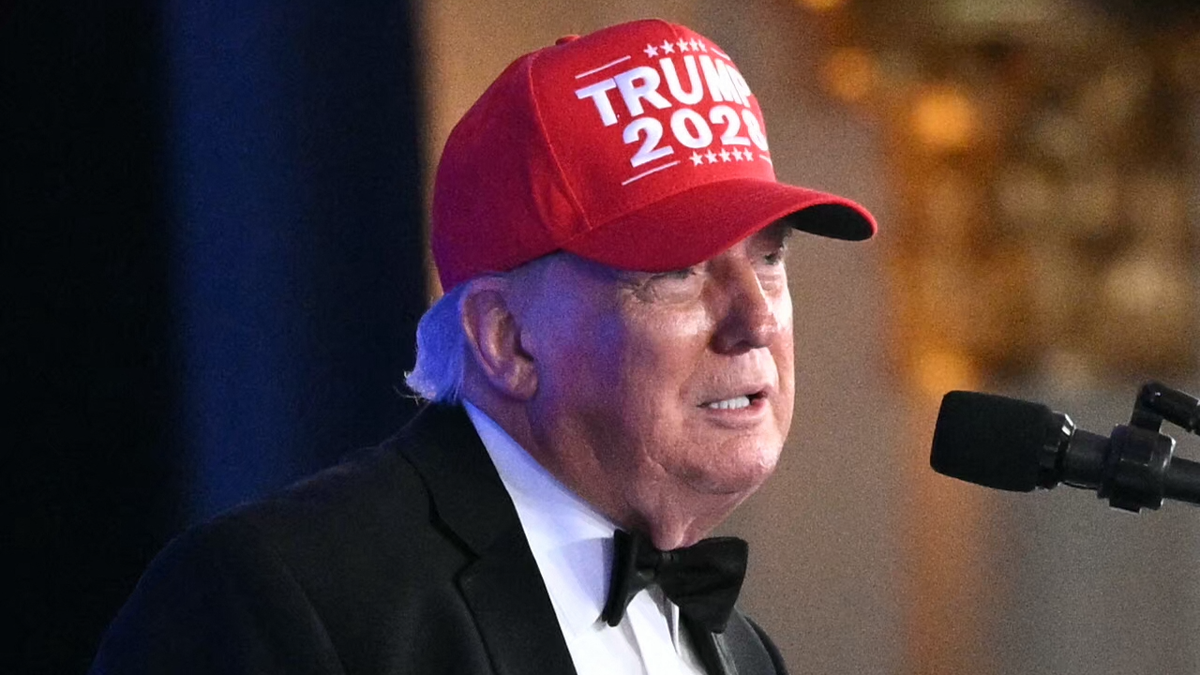
Third-Term Bid speculation returned to the spotlight Tuesday after President Donald Trump addressed questions about another presidential campaign. Trump acknowledged continued public interest in a potential 2028 run. However, he pointed to existing law when reporters asked whether he might seek another term.
Trump spoke with reporters at Joint Base Andrews in Maryland after attending the 2026 Patriot Games in Ohio. When asked about a possible 2028 campaign, he referenced legal restrictions surrounding presidential terms. He also acknowledged that he would personally like another opportunity to run for president.
“Everybody asks me that question,” Trump said while discussing the possibility. He then emphasized that the law places strong limits on another presidential campaign. Trump also said people had been calling for a 2028 campaign during the event.
The remarks come after months of mixed signals from Trump regarding a possible third presidential campaign. At times, he has treated the subject as a joke during public appearances. However, he has also previously suggested that he could seriously consider another route toward the presidency.
The U.S. Constitution currently limits presidents to two elected terms through the 22nd Amendment. States ratified that amendment in February 1951 following Franklin D. Roosevelt’s unprecedented four presidential victories. Before Roosevelt, presidents generally followed George Washington’s example of leaving office after two terms.
Trump’s latest comments therefore appear to acknowledge the constitutional barrier surrounding another elected presidential term. Nevertheless, his repeated references to 2028 have continued fueling speculation among supporters and political observers. His comments also come as Republicans begin considering potential successors for the next presidential election.
Trump previously discussed the possibility more directly during a 2025 interview. At that time, he said he was not necessarily joking about pursuing another term. He also mentioned a potential scenario involving Vice President JD Vance that could theoretically return Trump to office.
That proposed scenario would involve Vance winning the presidency with Trump serving as his running mate. Vance could then theoretically resign, allowing Trump to assume the presidency as vice president. However, constitutional experts have questioned whether such an arrangement could legally overcome existing restrictions.
The 12th Amendment creates another significant obstacle to that proposed approach. It states that someone constitutionally ineligible for the presidency also cannot serve as vice president. Consequently, legal scholars have generally rejected the idea as a straightforward path around presidential term limits.
Trump has nevertheless continued discussing the subject in different ways throughout his second term. During a July White House Correspondents’ Association Dinner appearance, he joked about serving another term. He then immediately characterized the comment as humor, continuing his pattern of ambiguous remarks.
The president’s latest statement carries a somewhat different tone because he directly referenced the strength of existing law. At the same time, Trump again acknowledged his personal interest in running. That combination leaves the political speculation alive while recognizing the constitutional limits currently surrounding presidential elections.
For now, the 22nd Amendment remains the central legal barrier to another elected Trump presidency. Any attempt to alter that situation would require significant constitutional and political changes. Meanwhile, Trump’s comments are likely to keep 2028 discussions active among Republican voters and political strategists.
The question could also influence conversations about Trump’s eventual successor within the Republican Party. Vice President JD Vance remains among the figures frequently discussed in connection with the next presidential contest. Other Republicans could emerge as contenders as the 2028 election cycle gradually approaches.
Trump’s response ultimately offered no announcement of a 2028 campaign. Instead, he emphasized the legal restrictions while acknowledging that supporters continue encouraging another run. As a result, the Third-Term Bid debate remains a subject of political speculation rather than an active campaign.
For now, Trump’s position reflects the tension between his continued interest in the presidency and existing constitutional limits. Nevertheless, his repeated comments ensure that questions about 2028 will likely remain part of political discussions. The Third-Term Bid issue therefore remains unresolved politically, even though current constitutional rules impose clear restrictions.

