
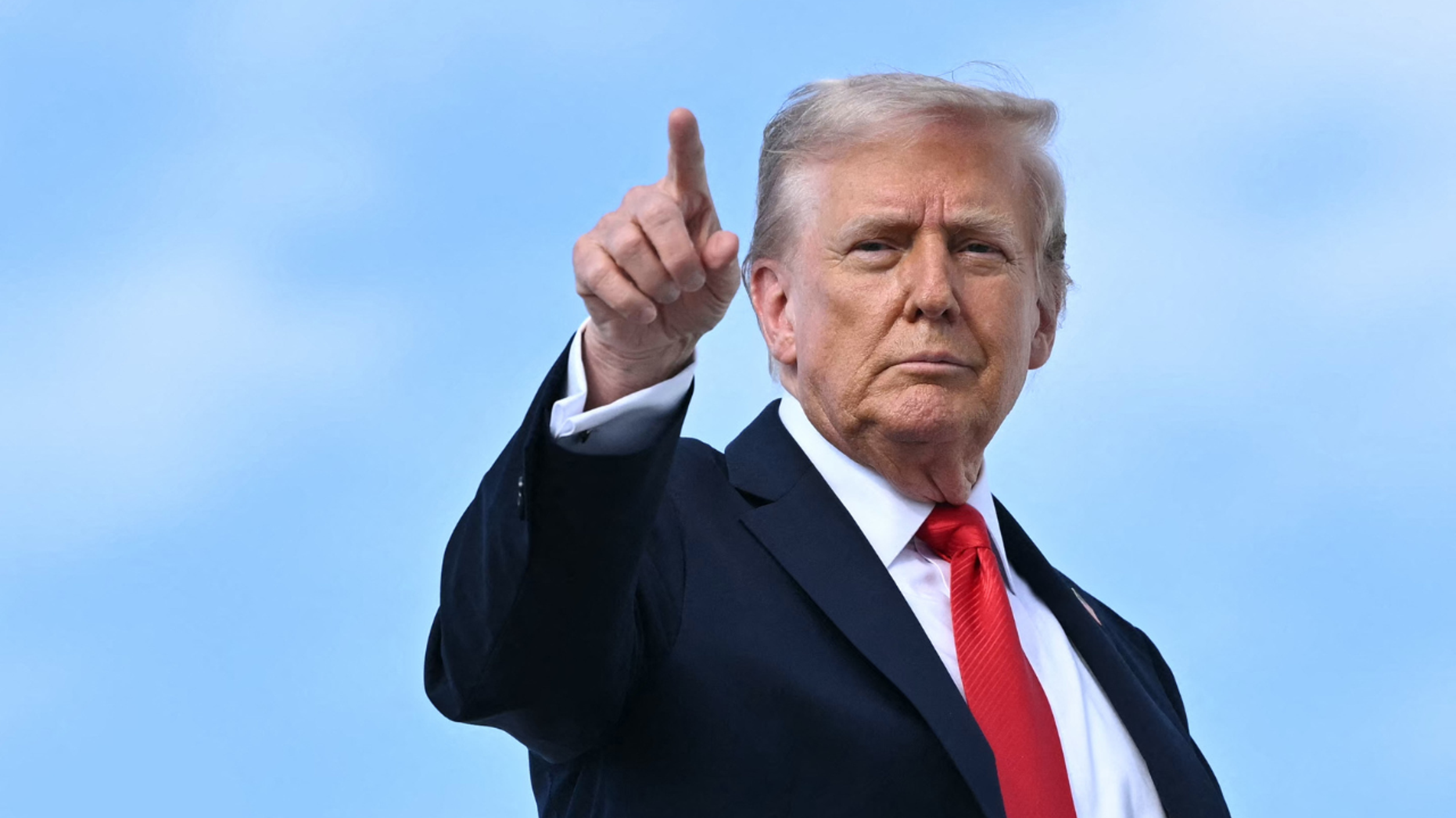
Trump endorsements continue to influence Arizona’s Republican primary contests as voters prepare to decide several closely watched nominations. The outcomes could shape both the state’s political future and the national battle for control of Congress.
Arizona Republicans head to the polls with several important races attracting national attention. President Donald Trump has backed multiple candidates, and his support once again plays a central role throughout the state’s primary elections. Consequently, political observers are watching whether his preferred candidates can secure victories before the general election campaign begins.
The highest-profile contest features Representative Andy Biggs, who seeks the Republican nomination for governor. Trump endorsements have strengthened Biggs’ campaign, while conservative activists and grassroots supporters have also rallied behind his candidacy. Meanwhile, Representative David Schweikert challenges Biggs after years representing Arizona’s First Congressional District. Business owner Ken Miceli and contractor Scott Neely also remain in the Republican race, giving voters several choices before selecting their nominee.
The Republican winner will challenge Democratic Governor Katie Hobbs in November. Hobbs enters the general election without facing opposition during the Democratic primary, allowing her campaign to focus immediately on the statewide contest. Therefore, Republicans view Tuesday’s results as an important step toward building momentum for the fall campaign.
Another competitive statewide race centers on the Republican nomination for attorney general. State Senate President Warren Petersen faces military attorney Rodney Glassman after both candidates exchanged sharp criticism throughout the campaign. Ultimately, the Republican nominee will face Democratic Attorney General Kris Mayes in another closely watched statewide election.
Attention also remains fixed on Arizona’s First Congressional District, one of the nation’s most competitive House battlegrounds. Trump endorsements have boosted former professional football player Jay Feely as he competes for the Republican nomination. However, former state lawmaker Joseph Chaplik and businessman John Trobough continue challenging Feely for the opportunity to compete in November.
On the Democratic side, former television journalist Marlene Galán-Woods faces former state Representative Amish Shah in a rematch following their previous primary contest. Additionally, Rick McCartney and Jonathan Treble remain in the race as Democratic voters determine their preferred nominee. Because the district remains politically competitive, both parties expect an expensive and closely fought general election campaign.
Republicans also hold another important contest in Arizona’s Fifth Congressional District following Biggs’ decision to pursue the governor’s office. Former Pinal County Sheriff Mark Lamb seeks the Republican nomination with Trump’s backing. Nevertheless, contractor Daniel Keenan continues criticizing Lamb over allegations involving misconduct and abuse of authority during the campaign. Investigators closed their review without filing criminal charges, while Trump reaffirmed his support shortly afterward.
Since the district strongly favors Republicans, many political analysts believe the primary winner will likely secure the congressional seat in November. As a result, the Republican nomination carries significant weight for determining future representation in the district.
Throughout this election cycle, Trump’s influence has remained highly visible across Republican primary contests nationwide. His endorsed candidates have defeated several established officeholders and strengthened his standing within the Republican Party. Even so, not every endorsement has produced victory, showing that local campaign dynamics and strong opponents can still influence election outcomes.
Overall, Arizona’s primary elections represent another important measure of Trump’s political influence before the midterm elections. The results will determine key nominees for governor and Congress while offering another indication of how Republican voters respond to Trump endorsements across competitive races.

