
Broadcast review has become a central issue after a congressional lawmaker requested federal scrutiny of major television networks. Meanwhile, the request follows network decisions regarding President Donald Trump’s nationally televised primetime address.
Representative Buddy Carter asked the Federal Communications Commission to examine recent broadcast decisions involving ABC, NBC, and CBS. Specifically, he questioned whether those decisions aligned with broadcasters’ responsibility to serve the public interest under federal licensing standards.
Carter submitted a formal letter to FCC Chairman Brendan Carr outlining concerns about how the networks handled the presidential address. Furthermore, he argued that viewers deserved unrestricted access to a speech addressing election integrity and national security issues.
According to Carter, broadcasters may analyze, criticize, or fact-check presidential statements after airing them live. However, he argued that refusing full television coverage raises questions about whether editorial decisions limited public access to important information.
The congressman maintained that Americans should have received the opportunity to hear the president’s remarks directly. Consequently, he argued that citizens could then evaluate the information independently without relying solely on summaries or later commentary.
Carter also stated that digital streaming platforms cannot fully replace traditional over-the-air television broadcasts. Additionally, he noted that many households continue depending on free television because reliable broadband access remains unavailable in some communities.
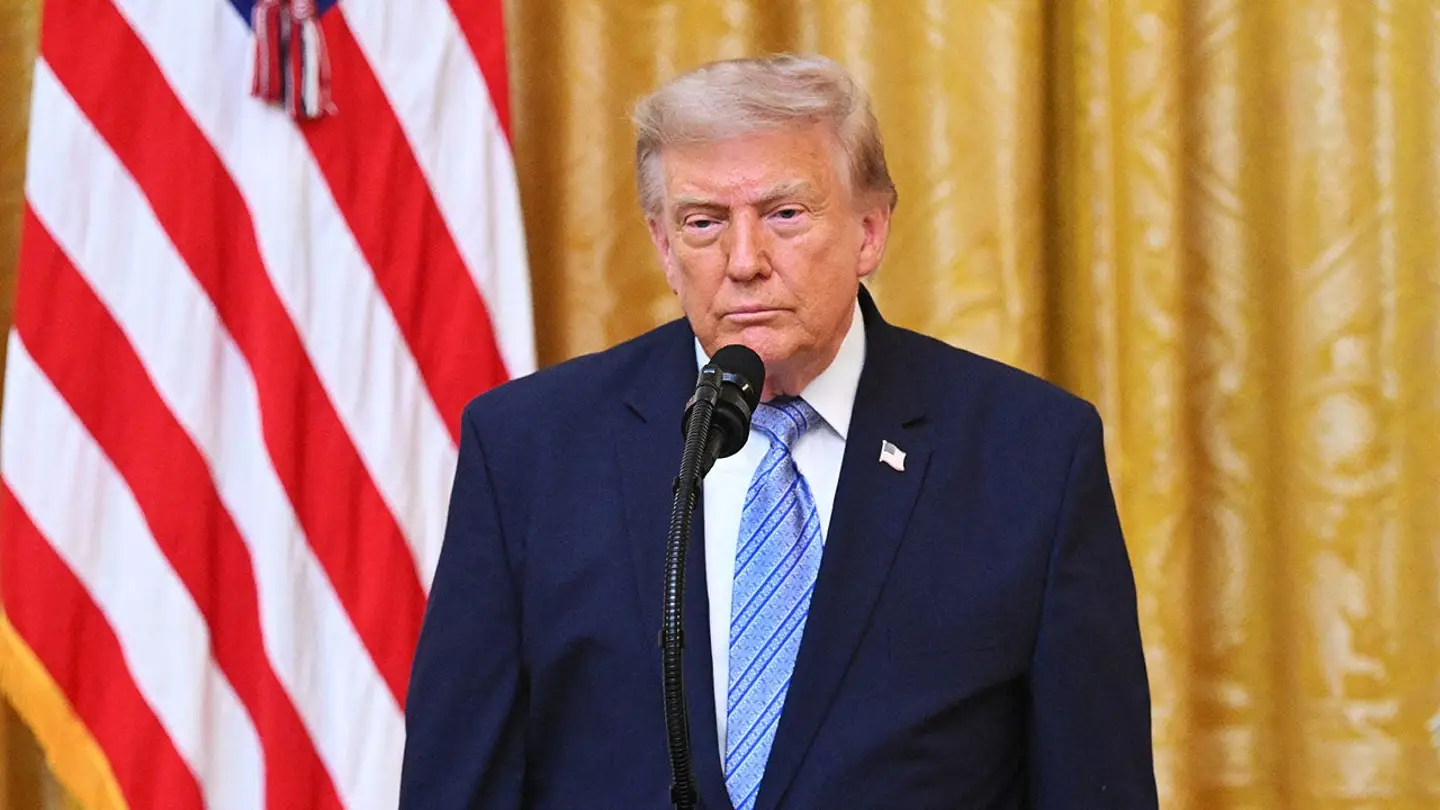
The request followed President Trump’s primetime address delivered from the White House on July 16. During the speech, Trump criticized ABC and NBC after both networks declined to carry the address live on their primary broadcast channels.
Trump also criticized CBS after the network joined the address after it had already begun and later ended coverage before the speech concluded. As a result, he accused the networks of preventing viewers from hearing information involving election security concerns.
During his address, Trump announced the immediate declassification of intelligence documents related to election infrastructure and national security. Moreover, he argued that the released materials revealed significant vulnerabilities requiring urgent public attention.
The president stated that public confidence remains essential for maintaining trust in the nation’s election system. Therefore, he urged lawmakers and citizens to support stronger election security measures moving forward.
According to the White House, the released documents included information concerning alleged voting system weaknesses, foreign election interference concerns, and voter registration investigations. However, independent verification of every claim contained within those materials had not occurred at the time of publication.
Following the address, several networks provided digital coverage or later broadcast news summaries discussing Trump’s remarks. Nevertheless, Carter argued that delayed reporting did not provide the same level of public access as uninterrupted live television coverage.
The congressman maintained that allegations involving election integrity and national security deserved immediate nationwide broadcast attention. Consequently, he asked the FCC to consider those decisions during future broadcast license evaluations involving the affected networks.
President Trump also called for stronger action regarding the networks’ broadcast licenses during his televised remarks. Furthermore, he accused several media organizations of intentionally limiting coverage because they opposed the subject of his speech.
The Federal Communications Commission had not publicly announced any formal action regarding Carter’s request when the letter became public. Likewise, the networks had not issued detailed responses addressing every concern raised in the congressional request.
Broadcast review now stands at the center of a wider discussion involving media coverage, public access, and broadcast responsibilities. Ultimately, any FCC response could influence future debates surrounding presidential addresses, editorial discretion, and television licensing standards.