
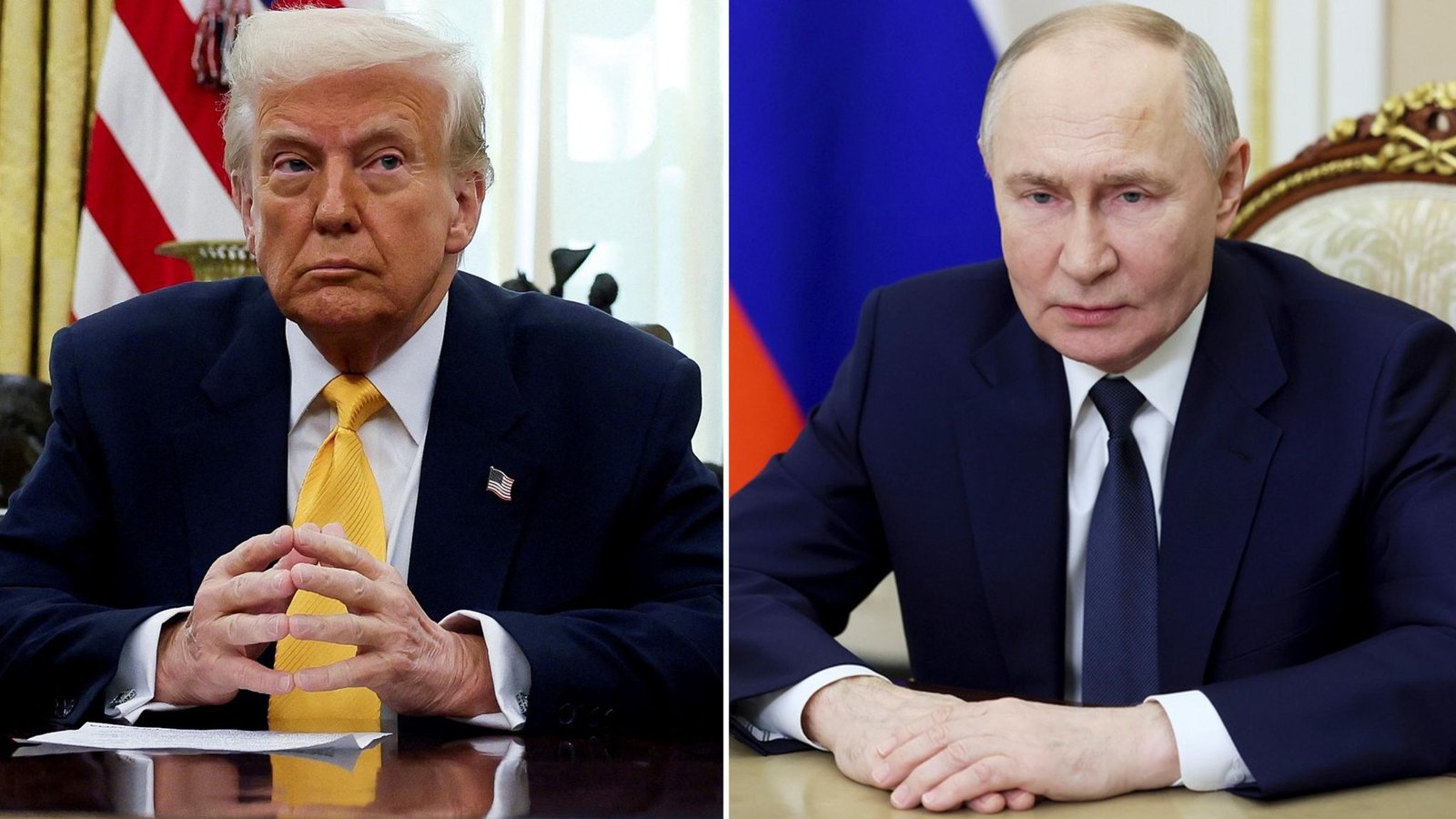
The U.S. Russia call between Donald Trump and Vladimir Putin focused on major global conflicts during a high-level discussion on Wednesday. Moreover, both leaders addressed ongoing wars in Ukraine and Iran while exploring possible diplomatic progress.
Trump expressed confidence that the Russia-Ukraine conflict could move toward a resolution in the near future. In addition, he suggested that developments might follow a similar timeline to other international negotiations. Consequently, he emphasized cautious optimism about future diplomatic steps.
During the conversation, Putin reportedly discussed potential temporary ceasefire arrangements linked to upcoming national commemorations. Furthermore, Trump indicated that he considered such pauses a positive step toward reducing tensions. As a result, both sides acknowledged limited progress in certain areas.
The U.S. Russia call also included discussions about Iran and its broader regional security implications. Meanwhile, Trump rejected suggestions of external involvement in certain nuclear-related matters. Therefore, negotiations continue with a strong focus on preventing escalation.
Both leaders compared challenges arising from ongoing conflicts and their impact on global stability. In addition, they discussed how energy markets and security concerns influence international decision-making. Consequently, economic pressure remains a key factor shaping diplomatic strategies.
Trump told reporters that Putin expressed interest in contributing to conflict resolution efforts. However, he redirected those discussions toward prioritizing the Ukraine situation instead. As a result, diplomatic focus remained centered on European conflict developments.
The U.S.-Russia call further highlighted ongoing communication between Washington and Moscow despite tensions. Moreover, officials described the conversation as productive while avoiding detailed policy commitments publicly. Therefore, both governments continue to maintain open diplomatic channels.
Analysts noted that both countries face domestic pressures influencing their foreign policy decisions. In addition, rising economic concerns and military challenges shape their negotiation positions. Consequently, leaders must balance internal and external priorities carefully.
Energy prices and global trade stability remain closely tied to conflict developments in both regions. Furthermore, investors continue monitoring geopolitical signals for potential market impacts. As a result, financial markets respond cautiously to diplomatic updates.
The U.S.-Russia call reflects ongoing efforts to manage international tensions through direct leadership communication. Moreover, further discussions are expected as both sides evaluate possible pathways toward de-escalation. Ultimately, diplomacy remains central to addressing current global conflicts.