
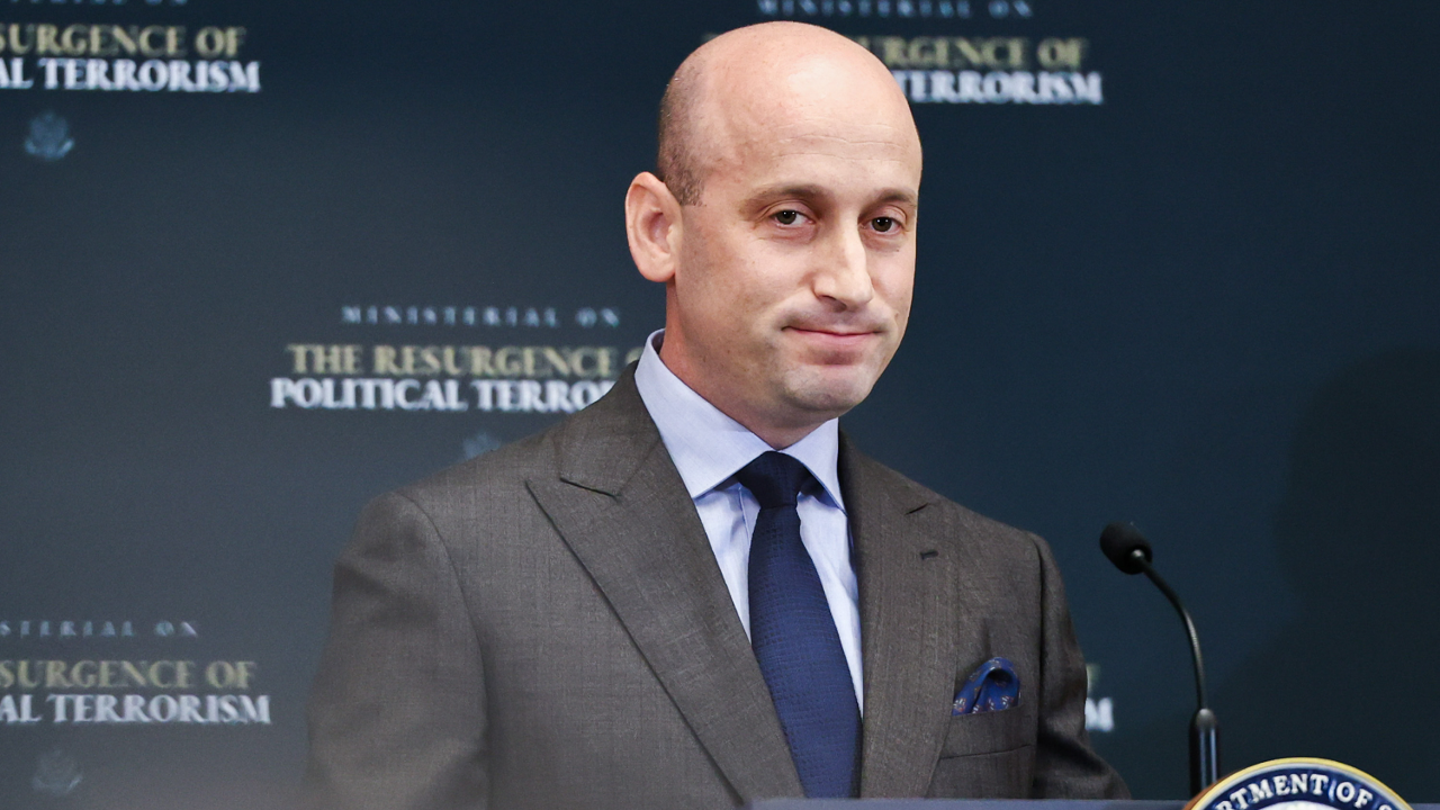
Banking Restrictions became a central topic after White House Deputy Chief of Staff Stephen Miller outlined the administration’s latest immigration strategy. Furthermore, he said the policy seeks to reduce financial access for immigrants living in the United States without legal authorization. According to Miller, limiting participation in the financial system could encourage more voluntary departures from the country.
During a recent interview, Miller explained that the administration considers financial access an important part of immigration enforcement. Additionally, he argued that many immigrants without legal status currently use bank accounts, direct deposits, and credit cards. He claimed those services allow individuals to participate fully in the nation’s financial system.
Miller stated that President Donald Trump previously signed an executive order addressing financial services involving immigrants without legal work authorization. Moreover, he said the administration intends to strengthen enforcement through existing banking regulations rather than creating an entirely new system. He described those efforts as another tool supporting broader immigration objectives.
The executive order directed federal agencies and financial regulators to increase oversight involving certain banking activities. However, the order did not specifically require banks to deny accounts or credit cards automatically. Instead, regulators received instructions to apply greater scrutiny when reviewing applications involving individuals lacking legal immigration or employment authorization.
Meanwhile, several federal agencies have already introduced guidance connected to the administration’s broader financial enforcement strategy. Those recommendations encourage lenders to consider immigration status and work authorization during credit evaluations whenever existing regulations require such assessments. Consequently, financial institutions may adjust lending decisions based on current regulatory expectations.
Officials also released additional guidance reminding supervised financial institutions to follow established credit risk management practices. Furthermore, the recommendations specifically addressed lending decisions involving applicants without legal authorization to work in the United States. Regulators argued that financial institutions should continue applying consistent risk assessment standards across all lending decisions.
Miller maintained that these policies could reduce incentives for individuals without legal status to remain in the country. Therefore, he argued that Banking Restrictions would support immigration enforcement without relying exclusively on physical removal operations. He described financial policy as another component within the administration’s wider border security strategy.
Supporters of the administration argue that financial regulations should reflect existing immigration and employment laws. They believe government agencies should ensure that banking practices align with federal legal requirements whenever possible. Consequently, they view additional oversight as a logical extension of current immigration enforcement efforts.
Critics, however, may question how financial institutions will interpret the updated regulatory guidance in practice. They also may raise concerns regarding access to financial services, compliance obligations, and implementation across different banking organizations. Nevertheless, regulators continue emphasizing that institutions should rely on established legal standards when evaluating individual applications.
The administration has continued introducing immigration-related policies across multiple federal agencies since returning to office. Officials argue that coordinated actions involving border security, employment verification, and financial oversight strengthen overall enforcement efforts. As implementation continues, Banking Restrictions will likely remain part of broader discussions surrounding immigration policy, financial regulation, and federal enforcement priorities.

