
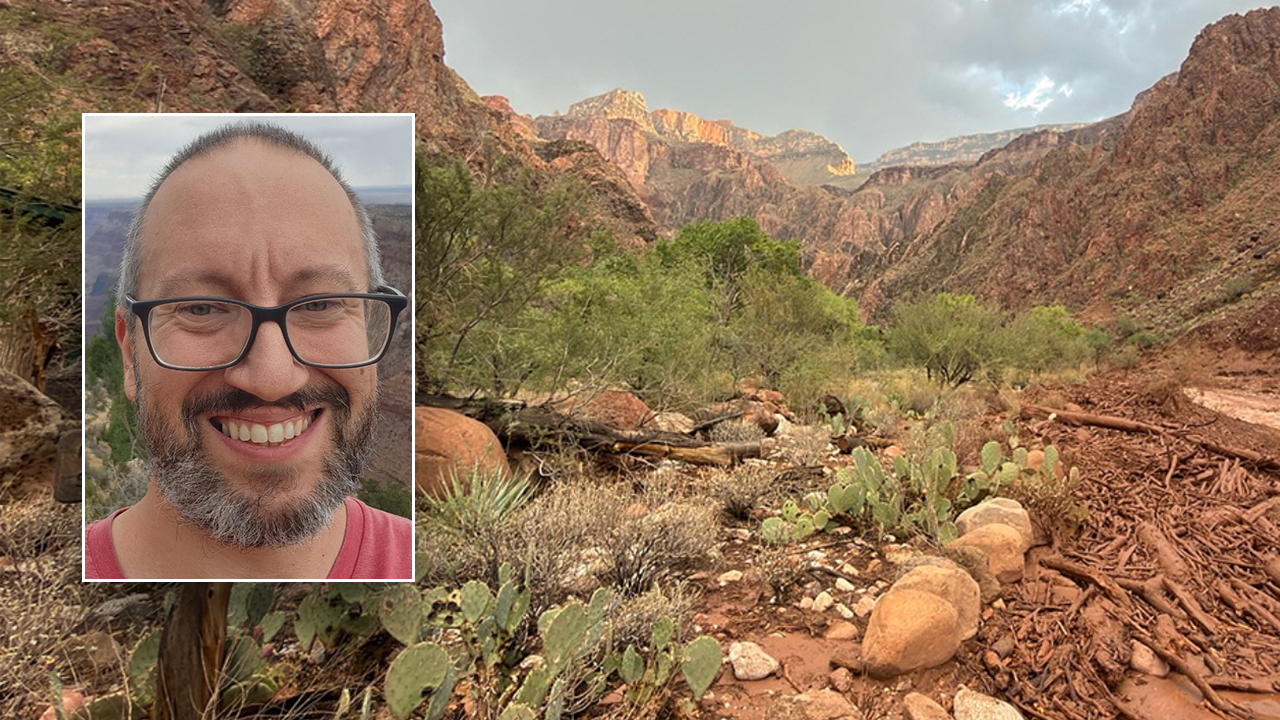
The Grand Canyon Search continues after a powerful flash flood swept through Bright Angel Canyon on August 29. Among those still unaccounted for, a Texas chiropractor and his hiking companions remain missing, according to family updates.
Dr. John Giusti, a chiropractor and father of three from Granbury, Texas, traveled into the canyon with his hiking group. However, floodwaters later surged through the Bright Angel Creek corridor and Phantom Ranch area, creating dangerous conditions.
Giusti’s wife, Janet, said the hiking group remains among those reported missing following the flooding. She also asked friends, relatives and members of their community to keep the group in their thoughts.
Meanwhile, National Park Service search-and-rescue teams have continued ground searches and helicopter operations throughout the affected canyon areas. Authorities, however, have not publicly confirmed Giusti’s identity among the approximately 15 people they are trying to locate.
The National Park Service reported that flooding began around 2:30 p.m. Saturday. Subsequently, emergency crews evacuated 62 people from Phantom Ranch and the lower North Kaibab Trail by Sunday morning.
Officials reported no injuries among those evacuated at that point. Nevertheless, authorities warned that additional thunderstorms and heavy rainfall could create further flash flooding and dangerous debris flows.
The flooding caused extensive damage to infrastructure within the canyon. In particular, nearly every footbridge crossing Bright Angel Creek suffered destruction, significantly restricting movement through the affected area.
Authorities consequently closed several popular locations and routes, including Phantom Ranch and Bright Angel Campground. The closures also affected the North Kaibab Trail leading toward Phantom Ranch, Black Bridge and Silver Bridge.
Additionally, officials closed the Colorado River to river traffic within the affected area. These restrictions reflect continuing concerns about unstable terrain, damaged infrastructure and potentially renewed flooding.
Giusti’s family said he had been enjoying a hiking and camping trip before the flooding occurred. Photos shared through his chiropractic practice showed him visiting the Grand Canyon shortly before the disaster.
The Texas chiropractor has practiced for nearly two decades and built a professional career focused on chiropractic care. According to his professional biography, he previously worked in New York before relocating to Texas in 2020.
Giusti and his wife are raising three daughters in Texas. Outside his professional responsibilities, he has pursued outdoor activities including hiking, hunting, fishing and running.
His family has emphasized that he remains much more than a healthcare professional within their community. They describe him as a devoted husband, father and central figure within their family and professional community.
The National Park Service continues requesting information from people who visited the affected corridor that day. Specifically, investigators want information about hikers, backpackers and campers who traveled near Bright Angel Creek.
Officials also ask people with campground reservations in the affected area to contact investigators. Such information could help authorities determine which visitors entered the canyon and whether they safely left afterward.
Separately, park officials reported recovering the body of a 46-year-old man near Crystal Rapids along the Colorado River. The Coconino County Medical Examiner’s Office participated in that recovery operation.
Authorities have not identified the man publicly or disclosed his cause of death. Furthermore, officials have not confirmed whether his recovery relates directly to the broader search for missing visitors.
Arizona officials continue coordinating emergency operations alongside federal and county authorities. Governor Katie Hobbs said state emergency personnel were supporting National Park Service and Coconino County search efforts.
The difficult terrain continues to complicate the response because rescuers must navigate damaged trails and unstable areas. At the same time, changing weather conditions could create additional hazards for both visitors and emergency personnel.
The incident demonstrates how quickly weather conditions can become dangerous inside remote sections of the Grand Canyon. Flash floods can develop rapidly, particularly within narrow canyon corridors where water accumulates from storms.
For families awaiting information, however, the immediate priority remains establishing the whereabouts and safety of unaccounted visitors. Authorities continue gathering information while rescue teams search areas affected by the flooding.
The Grand Canyon Search therefore remains active as crews balance rescue operations against difficult terrain and additional weather risks. Meanwhile, officials continue encouraging anyone with relevant information to contact investigators promptly.
As search operations continue, authorities are expected to provide additional information about missing visitors and recovery efforts. Until then, families and officials remain focused on accounting for everyone who may have entered the affected corridor.