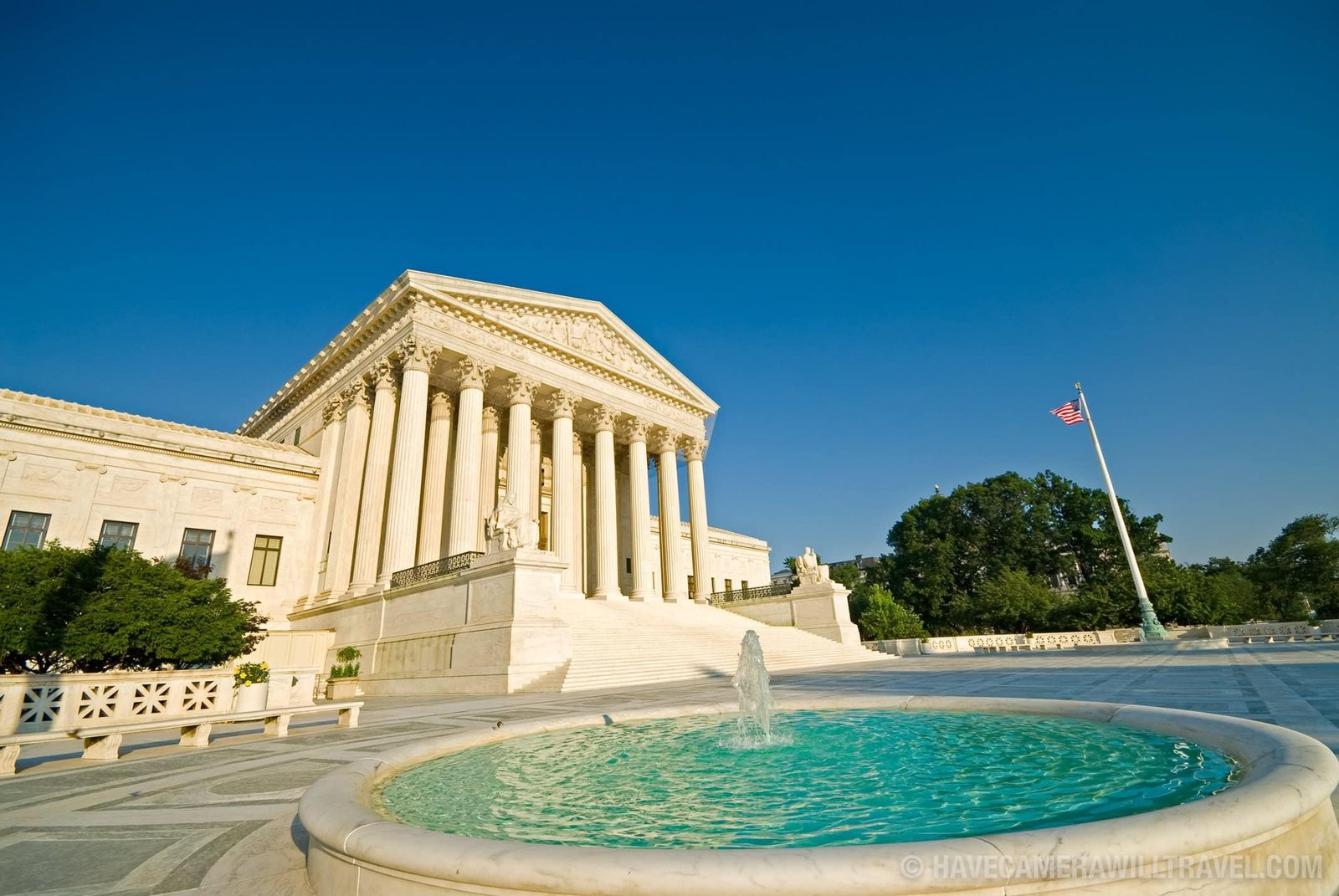
The Supreme Court Rulings reshaped several major legal and political issues as the nation’s highest court released several closely watched decisions. The rulings affected presidential authority, election law, and federal agencies. They also addressed multiple disputes involving President Donald Trump while clarifying executive power and resolving several high-profile legal challenges.
One of the court’s most significant decisions allowed the president to remove leaders of independent federal agencies. The ruling ended nearly 90 years of legal precedent that had limited presidential authority over those positions. The case centered on the March 2025 dismissal of Federal Trade Commission member Rebecca Slaughter. As a result, the president gained broader authority to replace officials leading independent commissions and agencies.
However, the court reached a different conclusion in a separate dispute involving Federal Reserve Governor Lisa Cook. In a 5-4 ruling, the justices determined that Trump could not immediately remove Cook from her position. Instead, she will remain in office while legal proceedings continue. Cook continues challenging allegations of mortgage fraud raised by administration officials. According to her previous statements, the attempted dismissal resulted from her refusal to yield to political pressure.
The court also declined to review Trump’s appeal of a New York jury verdict involving writer E. Jean Carroll. A New York jury previously found Trump liable for sexual abuse and later defamation. The justices offered no explanation for rejecting the appeal. Consequently, the $5 million judgment remains in place.
Election law also received significant attention during the court’s final decisions of the term. The justices upheld laws in more than a dozen states covering mail-in ballots. Under those laws, election officials may count ballots arriving after Election Day when voters submit them on time. The ruling rejected arguments presented by national Republican organizations and the Trump administration. Therefore, existing state laws governing those ballots remain unchanged.
Another decision directed a lower court to reconsider a case involving geofence warrants. Investigators use those warrants to obtain location data from electronic devices. However, the court did not issue a final ruling on the broader constitutional questions surrounding their use.
Beyond the Supreme Court decisions, Trump announced that he would nominate acting Labor Secretary Keith Sonderling for the permanent position. Sonderling currently leads the department following Lori Chavez-DeRemer’s departure earlier this year. Before taking the acting role, he served as deputy labor secretary. He also held leadership positions at the Equal Employment Opportunity Commission and other federal agencies.
Trump also addressed several additional policy issues throughout the day. He urged gasoline retailers to lower fuel prices because oil prices had declined. The president suggested gasoline should sell for about $2.50 per gallon. He also warned retailers that failing to reduce prices could create significant problems. Despite those comments, the national average gasoline price remained about $3.86 per gallon after five consecutive weekly declines.
The administration also announced a temporary suspension of certain duties on phosphate fertilizer imported from Morocco. Officials said the measure would support agricultural production and help maintain a stable domestic food supply. They cited disruptions affecting fertilizer shipments through the Strait of Hormuz.
Meanwhile, the House of Representatives approved legislation requiring online platforms to strengthen protections for children. The proposal would require companies to provide tools limiting addictive features for minors. Additionally, it would give parents greater control over communications and purchases on gaming platforms. The bill now moves to the Senate for consideration.
Trump also commented on restoration work at the Lincoln Memorial Reflecting Pool. He said repairs would continue after Independence Day. Additionally, he noted that monuments, statues, and fountains across Washington remain under increased security monitoring. Trump also stated that people convicted of damaging protected monuments could face prison sentences of up to 10 years.
Together, these developments demonstrate the broad impact of the latest Supreme Court decisions on executive authority and federal oversight. They also affect election administration and several ongoing legal disputes. As additional policy debates continue, the Supreme Court Rulings are expected to influence government operations and constitutional questions for years to come.