
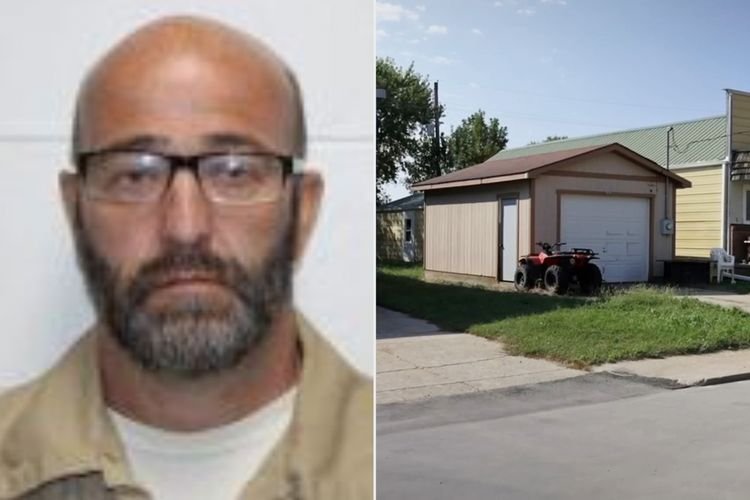
The Small Town Murder case shocked a quiet Nebraska community after authorities discovered a retired woman had been killed inside her garage in 2003. Meanwhile, investigators initially struggled for months to identify a suspect in the brutal incident. Consequently, the small town of Colon faced growing fear and suspicion among neighbors.
Authorities identified the victim as Sharron Erickson, a 66-year-old retired county worker known throughout her community. Additionally, she maintained close daily interactions with residents in the small town of roughly one hundred people. Therefore, her death deeply unsettled a place where most people knew each other personally.
Investigators responded after relatives became concerned when Erickson failed to follow her usual routine. Furthermore, they discovered her body inside her garage located near her home on June 30, 2003. As a result, law enforcement launched an immediate but challenging homicide investigation.
Police initially observed confusing evidence at the crime scene, including a firearm placed near the victim’s body. However, no gunshot wounds appeared during the early examination of the scene. Therefore, investigators quickly realized the circumstances required deeper forensic analysis.
Medical examiners later determined that Erickson died from blunt force trauma and asphyxiation. Additionally, evidence confirmed that she had suffered sexual assault during the attack. Consequently, investigators treated the case as a violent homicide rather than a staged suicide.
The Small Town Murder investigation remained unsolved for nearly a year as detectives pursued multiple leads. Meanwhile, they explored several potential suspects within and outside the community. Therefore, the case grew increasingly complex as early theories failed to produce results.
Authorities eventually turned their attention to DNA evidence collected from the crime scene. Furthermore, forensic testing later matched the genetic material to a resident living near Erickson’s property. Consequently, investigators identified James Marrs as the primary suspect in the case.
Marrs lived on a family farm located behind the victim’s residence in the same small town. Additionally, he had previously spoken with investigators but provided an alibi that was initially accepted. Therefore, early suspicions did not immediately lead to his arrest.
Once DNA results confirmed the match, authorities arrested Marrs and charged him with murder. Moreover, he later pleaded guilty to second-degree murder following legal proceedings. As a result, the court sentenced him to life imprisonment without parole.
During the investigation, community members described growing mistrust as the case remained unsolved. Furthermore, neighbors began questioning one another as fear spread throughout the town. Consequently, the Small Town Murder case created lasting tension among residents.
Investigators later concluded that the attack began during a burglary attempt that escalated into violence. Additionally, authorities stated that the victim attempted to defend herself before the fatal confrontation. Therefore, the sequence of events reflected a sudden and violent struggle inside the home.
Marrs remains incarcerated at a state correctional facility following his conviction. Meanwhile, officials continue to reference the case as an example of forensic breakthroughs in cold cases. Consequently, the Small Town Murder remains a defining case in the town’s history.

