
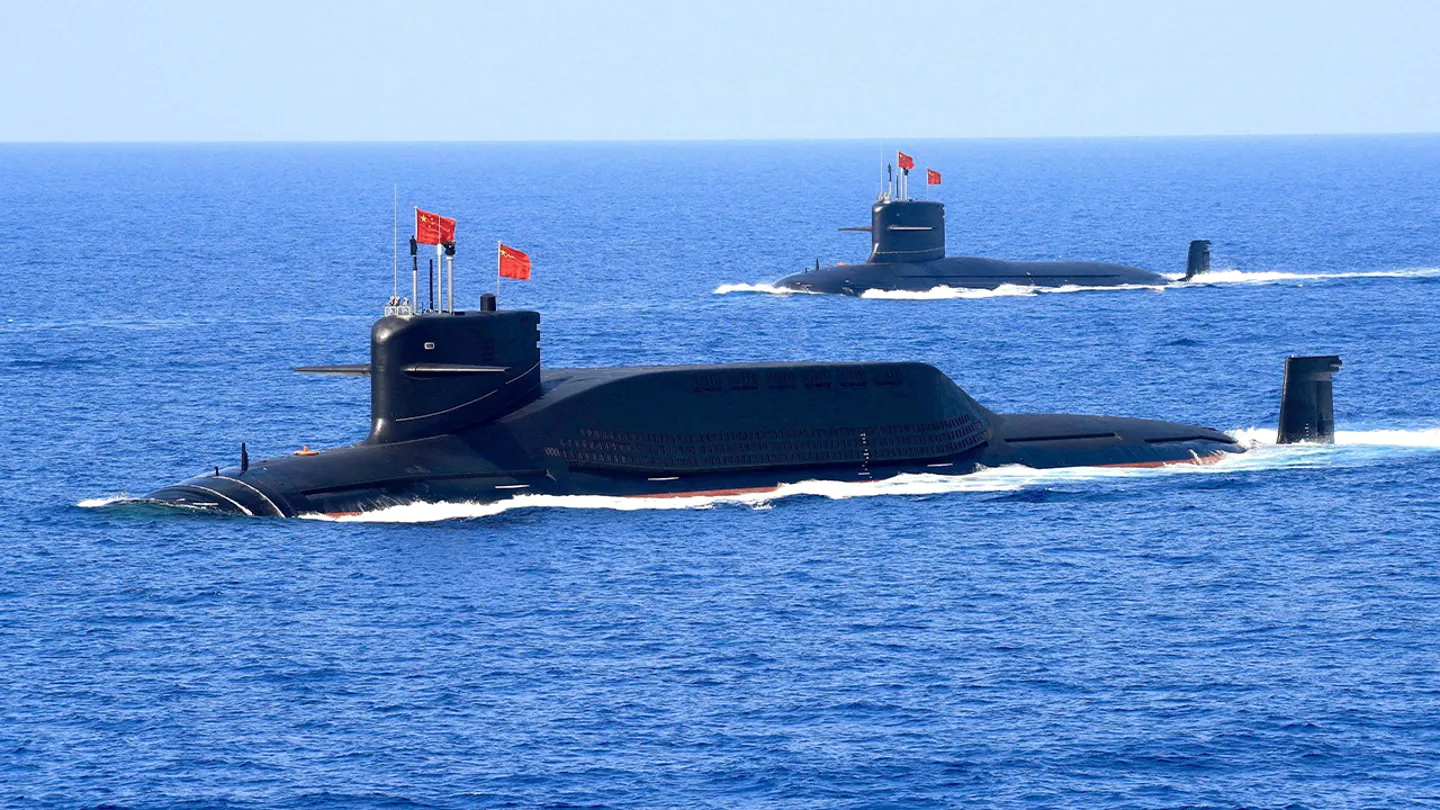
Military ties between Russia and China could increasingly challenge America’s military advantage near Taiwan, according to a retired U.S. admiral. Retired Rear Adm. Mark Montgomery warned that Moscow may provide Beijing with submarine technology that improves underwater stealth. Such assistance could make Chinese submarines harder for American forces to detect during a potential conflict. Consequently, the development could affect U.S. military planning throughout the Indo-Pacific region.
Montgomery specifically pointed to alleged Russian assistance involving submarine quieting technology. That technology reduces the amount of noise produced by submarines while operating underwater. Therefore, quieter vessels can become more difficult for opposing forces to locate and track. Montgomery argued that China could use Russian expertise to narrow an important technological gap.
The U.S. Navy has historically relied heavily on submarine stealth and advanced detection capabilities. Those advantages provide American forces with important options during potential conflicts across the Pacific. However, China has rapidly expanded and modernized its submarine fleet in recent years. Russian assistance could accelerate that modernization while addressing some longstanding Chinese technological weaknesses.
The Chinese government has rejected speculation that its military cooperation with Russia targets outside countries. Its embassy described the relationship as focused on sovereignty, security, and regional stability. Beijing also maintains that Taiwan represents an internal Chinese matter. Meanwhile, Chinese officials have urged Washington to avoid actions that could increase tensions around the Taiwan Strait.
Nevertheless, Montgomery said the partnership extends beyond submarine technology. China has provided Russia with industrial equipment and components that support Moscow’s defense production. Those supplies have helped Russia maintain its military capabilities during the prolonged war in Ukraine. In return, Moscow can offer military knowledge and technology that China may find valuable.
U.S. Indo-Pacific Command leaders have previously raised similar concerns about Russian assistance to China. Adm. Samuel Paparo warned lawmakers that Moscow could help Beijing improve submarine quieting. He also described the broader Russia-China relationship as a transactional partnership. That arrangement allows both governments to exchange capabilities that strengthen their respective military positions.
China’s assistance to Russia reportedly includes machine tools, electronic components, investment, and other industrial support. Those resources have helped Moscow maintain production despite extensive wartime demands. At the same time, Russia possesses military experience and technologies that could benefit Chinese forces. Consequently, the two countries can increasingly compensate for weaknesses through cooperation.
The partnership also extends into missile and drone development, according to U.S. officials. Russian companies have reportedly worked with Chinese manufacturers on attack drone production. Separately, Russia has pursued arrangements involving Chinese airborne forces and military technology. These developments indicate that cooperation increasingly involves practical defense capabilities.
For Washington, the most significant concern centers on a potential Taiwan conflict. American submarines could play a major role in countering Chinese naval forces during such a confrontation. However, quieter Chinese submarines could complicate detection and tracking operations across contested waters. That challenge could force U.S. commanders to reconsider existing assumptions about underwater superiority.
Military ties between Moscow and Beijing therefore present a broader strategic challenge for Washington. Russia can provide battlefield experience and specialized military knowledge gained during years of warfare. China, meanwhile, can provide industrial capacity, financing, components, and manufacturing support. Together, those resources could strengthen both countries while creating additional pressure on American forces.
The potential transfer of submarine technology remains an allegation rather than a publicly confirmed development. However, American military leaders have repeatedly warned about closer defense cooperation between Moscow and Beijing. As tensions surrounding Taiwan continue, Washington faces growing pressure to preserve its technological advantages. The evolving Military Ties between Russia and China could become an important factor in that competition.

