Political Civility shaped a bipartisan discussion as two governors encouraged respectful leadership and stronger public dialogue across the United States. They agreed that cooperation and mutual respect remain essential for solving national challenges despite political differences.
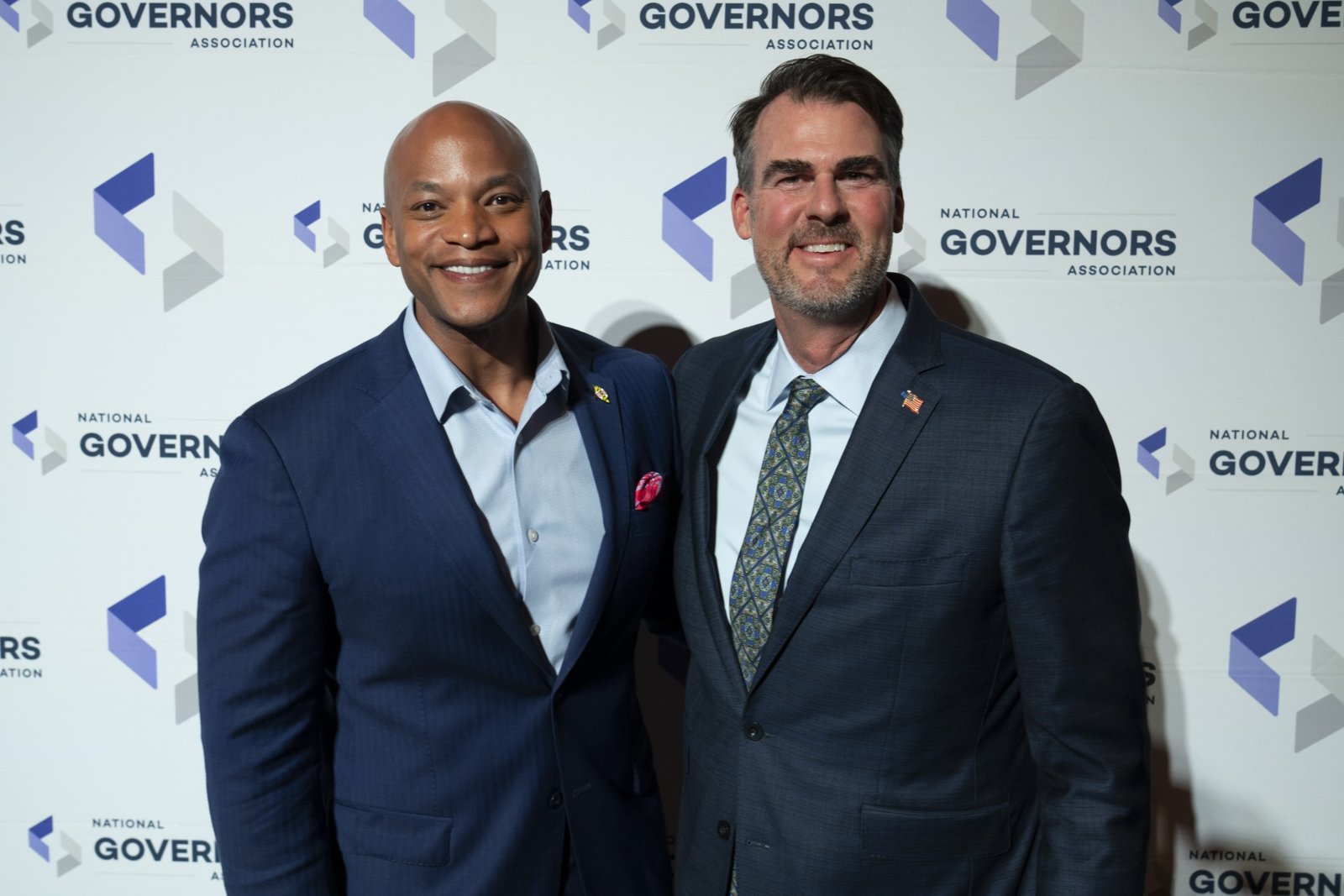
Oklahoma Governor Kevin Stitt and Maryland Governor Wes Moore shared their views during a public conversation at the National Governors Association summer meeting. Both leaders encouraged Americans to focus on common goals instead of political disagreements.
Stitt said respectful leadership can succeed during general elections because candidates must appeal to a broader group of voters. However, he argued that partisan primaries often reward candidates with stronger ideological positions.
He explained that Republican and Democratic candidates face similar political pressures during primary campaigns. Consequently, many candidates focus on satisfying party voters before reaching the wider electorate.
Stitt used himself and Moore as examples while discussing those political realities. He noted that candidates from both parties often face challenges from more ideologically driven opponents.
Despite those differences, Stitt said elected officials frequently agree on many important public policy priorities. He pointed to education, infrastructure, healthcare, and economic growth as common objectives shared by many leaders.
Moore agreed that most public officials ultimately pursue similar goals for their communities. He also said most Americans do not define themselves by political party before anything else.
Instead, Moore encouraged leaders to avoid divisive language and concentrate on practical solutions. He argued that voters generally appreciate cooperation more than constant political conflict.
During the discussion, Moore reflected on his family’s history while describing the importance of public service. He shared the story of an ancestor who served the nation despite significant personal hardships.
Both governors also discussed the growing influence of social media on modern politics. They agreed that online platforms often increase political tension instead of encouraging thoughtful conversations.
Stitt said social media makes criticism easier while reducing meaningful personal interaction. Therefore, he encouraged people to communicate directly whenever possible.
He added that face-to-face conversations often build stronger understanding between individuals holding different opinions. Those interactions can strengthen communities and improve public trust.
Political Civility also guided Moore’s concerns about how people receive information through digital platforms. He warned that many individuals consume information reinforcing existing beliefs instead of exploring different perspectives.
Moore said citizens should seek reliable information and remain open to learning from others. He emphasized that informed discussions create healthier democratic institutions and stronger communities.
He also highlighted steps taken in Maryland regarding technology and education. Those efforts include limiting phone use during school hours and restricting artificial intelligence-generated political advertising.
According to Moore, responsible use of technology can improve public confidence in elections and civic participation. He encouraged leaders to develop policies supporting accurate information and honest political communication.
Both governors agreed that political disagreements should never prevent respectful conversations between elected officials and citizens. They emphasized listening carefully while searching for practical solutions benefiting local communities.
They also encouraged Americans to spend more time meeting people in person instead of relying entirely on online discussions. Personal interaction, they argued, strengthens relationships and reduces unnecessary political division.
Political Civility remained the central message throughout the conversation as both governors promoted respectful leadership and bipartisan cooperation. They concluded that honest dialogue, mutual respect, and shared goals can help strengthen American democracy while reducing political polarization.