
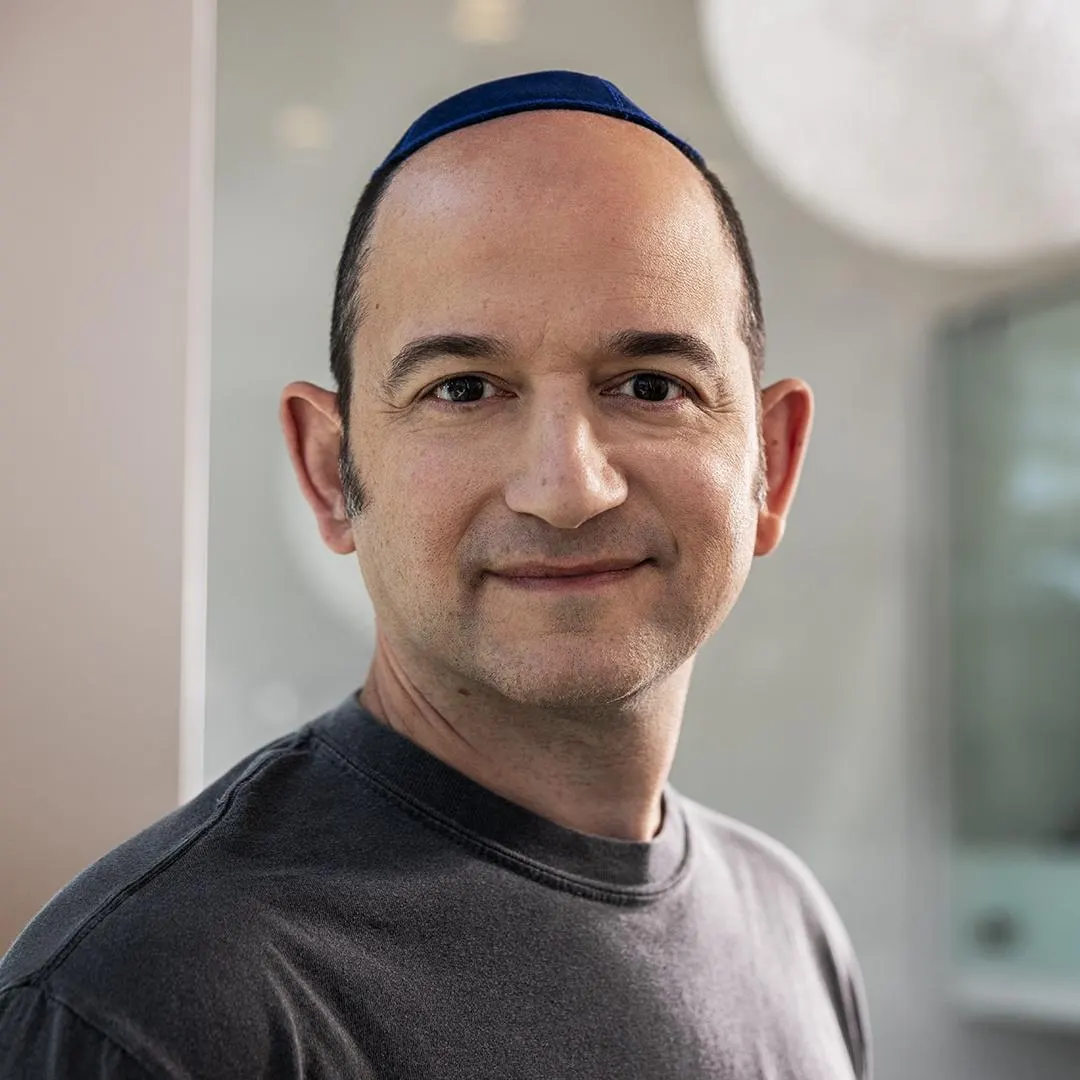
AI Talent competition across the technology sector intensified after prominent artificial intelligence researcher Noam Shazeer announced his move to OpenAI. The decision marks another significant development in the ongoing race among major companies to attract leading experts in advanced AI research and development.
Shazeer, who served as a vice president of engineering and helped lead Google’s Gemini artificial intelligence efforts, confirmed that he would continue his career at OpenAI. He shared the announcement publicly and expressed enthusiasm about working alongside the organization’s research and engineering teams.
At the same time, Shazeer praised his former colleagues and highlighted the accomplishments achieved during his recent tenure. He described the decision as difficult while emphasizing his appreciation for the teams that contributed to Google’s artificial intelligence initiatives.
The move arrives less than two years after Google welcomed Shazeer back into its artificial intelligence division. In 2024, the company reconnected with Shazeer and fellow researcher Daniel De Freitas through a strategic arrangement involving Character.AI, the startup they previously established together.
Both researchers originally departed Google in 2021 after pursuing different approaches to conversational artificial intelligence development. They later launched Character.AI, which quickly attracted industry attention through its focus on interactive AI-powered experiences and personalized digital conversations.
Since then, Character.AI has emerged as one of the most recognized startups within the rapidly expanding artificial intelligence market. The company’s growth reflected increasing consumer and investor interest in advanced conversational systems and generative AI technologies.
Meanwhile, competition for AI Talent has become increasingly intense as technology companies seek experienced researchers. Organizations across the industry continue investing heavily in artificial intelligence projects, infrastructure, and specialized development teams.
Industry observers view experienced researchers as critical assets because advanced AI systems require highly specialized expertise. Consequently, companies frequently compete for individuals who possess deep knowledge of machine learning models and large-scale AI architecture.
The timing of Shazeer’s departure also follows several major product announcements from Google. During recent presentations, the company introduced new artificial intelligence tools, upgraded models, and additional capabilities designed for developers and enterprise customers.
However, OpenAI continues expanding its influence within the global artificial intelligence sector through new products and partnerships. The company remains one of the most recognized organizations in generative AI development, largely because of the widespread adoption of ChatGPT.
Furthermore, reports indicate OpenAI recently completed steps that could support future public market plans. Such developments have increased attention on the company’s long-term growth strategy and competitive positioning within the technology industry.
The latest AI Talent move highlights how companies increasingly view top researchers as strategic advantages. As artificial intelligence technologies advance rapidly, experienced leaders will likely remain central to innovation efforts across the sector.
For both Google and OpenAI, attracting and retaining skilled researchers remains essential for future product development. Therefore, Shazeer’s transition represents more than a career change and reflects broader competition shaping the future of artificial intelligence worldwide.

