
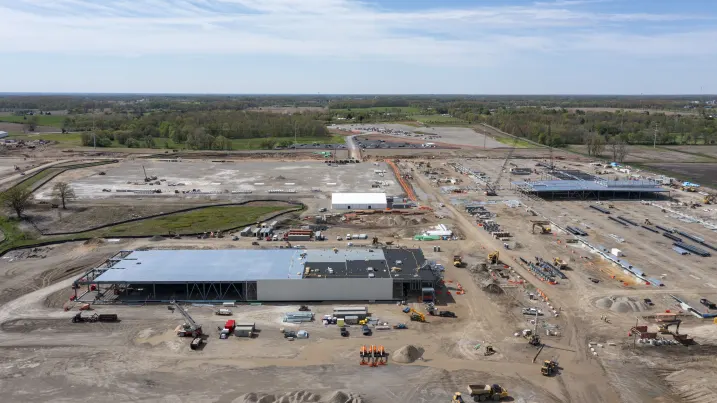
Skilled Trades Boom trends are accelerating as artificial intelligence reshapes hiring patterns throughout multiple industries nationwide.
Companies across the United States are increasingly reducing white-collar recruitment while expanding demand for skilled trade workers. Furthermore, businesses investing heavily in artificial intelligence infrastructure now require electricians, welders, and construction specialists immediately. Additionally, employers continue prioritizing physical infrastructure projects supporting data centers, energy systems, and manufacturing expansion. Consequently, labor markets now reflect major shifts in employment priorities across technology-driven industries.
Moreover, recent hiring data shows technology companies slowing recruitment for office-based professional positions considerably. Additionally, many firms now redirect spending toward automation systems and artificial intelligence development infrastructure projects. Furthermore, employers increasingly seek technicians capable of building and maintaining complex industrial facilities nationwide. Therefore, the Skilled Trades Boom reflects broader economic transformation linked directly to rapid artificial intelligence expansion.
Meanwhile, economists note that artificial intelligence continues to change workforce requirements throughout several major economic sectors. Moreover, businesses now seek workers capable of supporting energy grids, semiconductor facilities, and advanced computing infrastructure. Additionally, construction companies report increasing difficulty finding enough qualified trade professionals for growing infrastructure projects. Consequently, wages for experienced electricians, mechanics, and industrial technicians continue rising significantly nationwide.
Furthermore, industry leaders increasingly describe skilled labor positions as more resistant to future automation risks. Additionally, experts argue that physical installation work still requires human adaptability, judgment, and technical experience consistently. Moreover, artificial intelligence systems cannot easily replace workers performing unpredictable manual tasks across dynamic environments. Therefore, many younger workers now reconsider career paths traditionally overlooked during previous technology-driven hiring booms.
Meanwhile, surveys reveal growing anxiety among students and recent graduates entering uncertain employment markets influenced by automation. Moreover, many workers fear that artificial intelligence could reduce long-term career opportunities within professional office occupations. Additionally, younger employees increasingly question whether traditional university degrees guarantee stable future employment opportunities. Consequently, the Skilled Trades Boom now attracts stronger interest from students seeking durable and practical careers.
Furthermore, major infrastructure investments continue to fuel strong labor demand across construction and industrial development sectors nationally. Additionally, companies building artificial intelligence data centers require thousands of workers supporting electrical and energy systems. Moreover, businesses increasingly partner with vocational schools and training organizations to address labor shortages efficiently. Therefore, employers now invest heavily in apprenticeship programs and workforce development initiatives nationwide.
Meanwhile, labor experts caution that workforce shortages could eventually slow infrastructure expansion and economic growth considerably. Moreover, many experienced trade workers approach retirement age while younger replacements remain insufficient currently. Additionally, industry groups warn that demand for technical labor may continue increasing throughout the coming years. Consequently, the Skilled Trades Boom may permanently reshape employment patterns across several important industries.
Finally, business leaders increasingly recognize that artificial intelligence growth still depends heavily upon human labor supporting physical infrastructure. Moreover, companies continue balancing automation investments with urgent workforce development needs across industrial sectors. Additionally, economists predict that demand for highly trained trade professionals will remain strong throughout future technological expansion. Consequently, evolving labor markets now demonstrate how technological innovation simultaneously transforms and creates employment opportunities.