
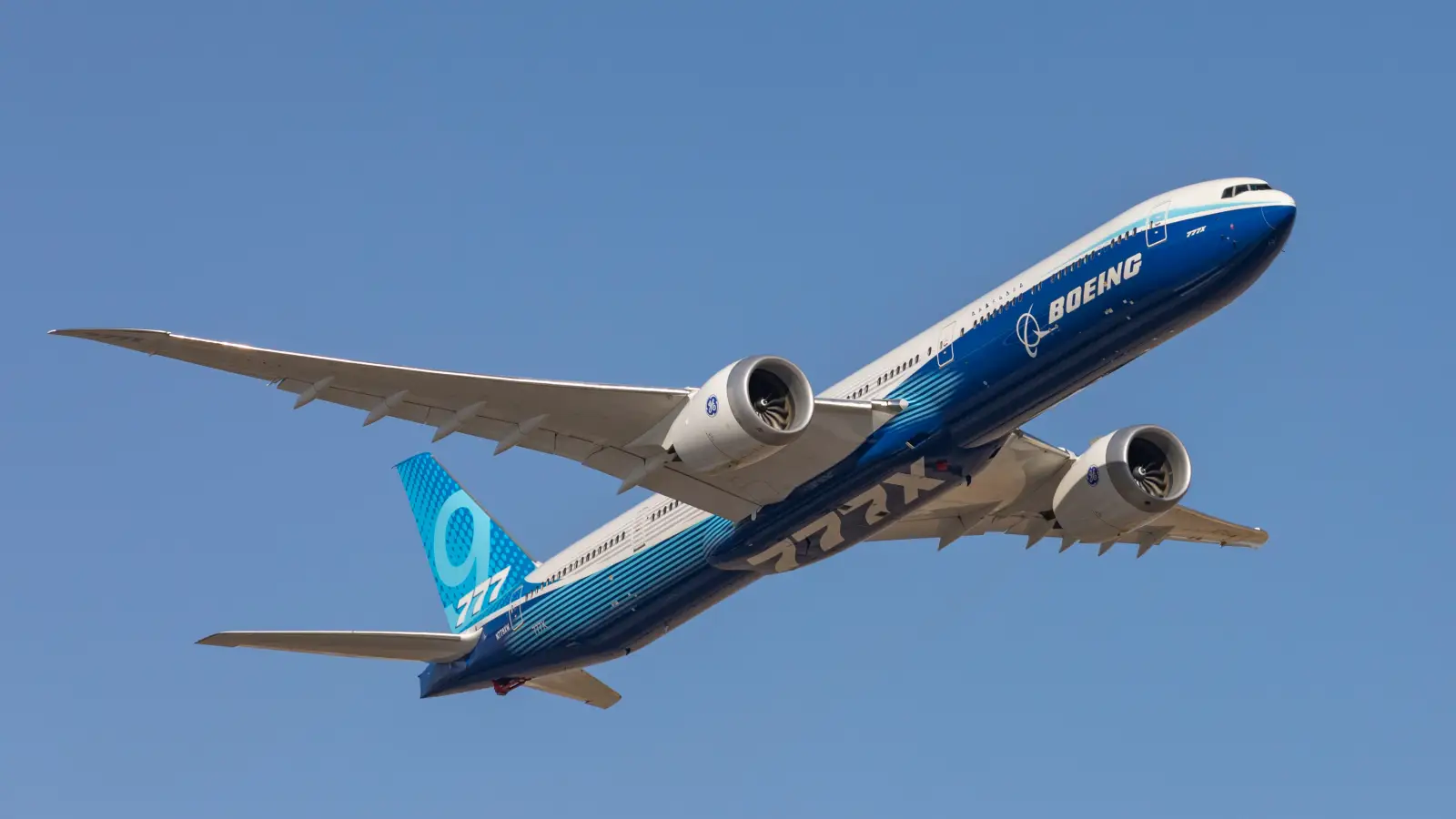
Narrow Body Aircraft development remains a long-term priority for Boeing and Airbus, although both manufacturers currently focus on delivering existing orders. Airline customers continue requesting faster deliveries instead of encouraging immediate launches of completely new commercial aircraft.
Executives from both companies recently discussed future aircraft programs while emphasizing today’s production challenges. They agreed that improving current manufacturing performance remains more important than introducing a new generation of narrow-body jets.
Boeing Chief Executive Officer Kelly Ortberg explained that the company still needs additional time before funding another major aircraft program. According to Ortberg, Boeing must first strengthen its financial position before committing resources to a completely new commercial aircraft.
He also explained that technology readiness will influence the company’s future decision. Furthermore, airline customers must demonstrate stronger demand before Boeing begins developing its next narrow-body platform.
Ortberg said airlines currently prefer reliable deliveries of existing aircraft instead of waiting for completely redesigned models. Customers want manufacturers to improve production stability before introducing another generation of commercial airplanes.
Meanwhile, Airbus continues preparing its own future aircraft program with a longer development timeline. Chief Executive Officer Guillaume Faury said the company aims to launch its next single-aisle aircraft program around 2030.
If development progresses as planned, Airbus expects the aircraft to enter commercial service during the second half of the 2030s. Although Boeing has not announced a formal target date, both manufacturers appear to follow similar long-term schedules.
Commercial aircraft development requires many years of engineering, certification, manufacturing preparation, and regulatory approval. Therefore, both companies continue investing in research while concentrating on today’s production commitments.
Aircraft manufacturers also continue facing supply chain challenges across the global aviation industry. Those issues have slowed production while increasing pressure to fulfill existing customer orders.
Boeing continues increasing production of its 737 Max family following earlier manufacturing and quality challenges. The company also continues working with regulators to complete certification for the 737 Max 7 and 737 Max 10 models.
According to company updates, certification work has reached advanced stages for both aircraft variants. Completing those approvals would allow Boeing to begin additional customer deliveries and strengthen future production plans.
The manufacturer has also invested approximately $1 billion in a fourth production line for the 737 Max. Once fully operational, the additional facility will expand manufacturing capacity beyond Boeing’s existing production lines.
Airbus faces different production challenges while continuing to increase deliveries. Earlier engine supply shortages affected manufacturing schedules, although company leadership says overall conditions have recently stabilized.
Even with those improvements, Airbus remains focused on delivering aircraft already included in its extensive order backlog. Demand for new commercial aircraft continues exceeding available production capacity across several important markets.
The company currently holds more than 9,000 aircraft in its backlog. Additionally, orders for the A320neo family continue supporting long-term production growth and future revenue expectations.
Recent quarterly deliveries also strengthened confidence in Airbus’ manufacturing targets. Increased deliveries of A320 family aircraft contributed significantly to improved operational performance during the latest reporting period.
Industry analysts continue watching production rates, certification progress, and supply chain performance more closely than future aircraft launches. Investors believe successful execution of existing programs remains the most important factor influencing financial performance.
Airline operators share similar priorities because they need aircraft already scheduled for delivery. Reliable production schedules allow airlines to expand fleets while meeting growing passenger demand across international markets.
One major airline recently completed deliveries under its current Boeing aircraft order. The additional aircraft helped expand its fleet while supporting continued passenger traffic growth throughout the year.
Although Boeing and Airbus continue studying future aircraft technologies, immediate customer priorities remain unchanged. Airlines want manufacturers to deliver existing aircraft efficiently before introducing another generation of commercial jets.
Narrow Body Aircraft competition will eventually define the future of the global aviation industry. However, both manufacturers first need to complete current production commitments while strengthening manufacturing performance and supply chain reliability.
As production improves and certification milestones advance, Boeing and Airbus will move closer toward launching their next commercial aircraft programs. Until then, current aircraft deliveries will remain the industry’s primary focus for manufacturers, investors, and airline customers alike.