
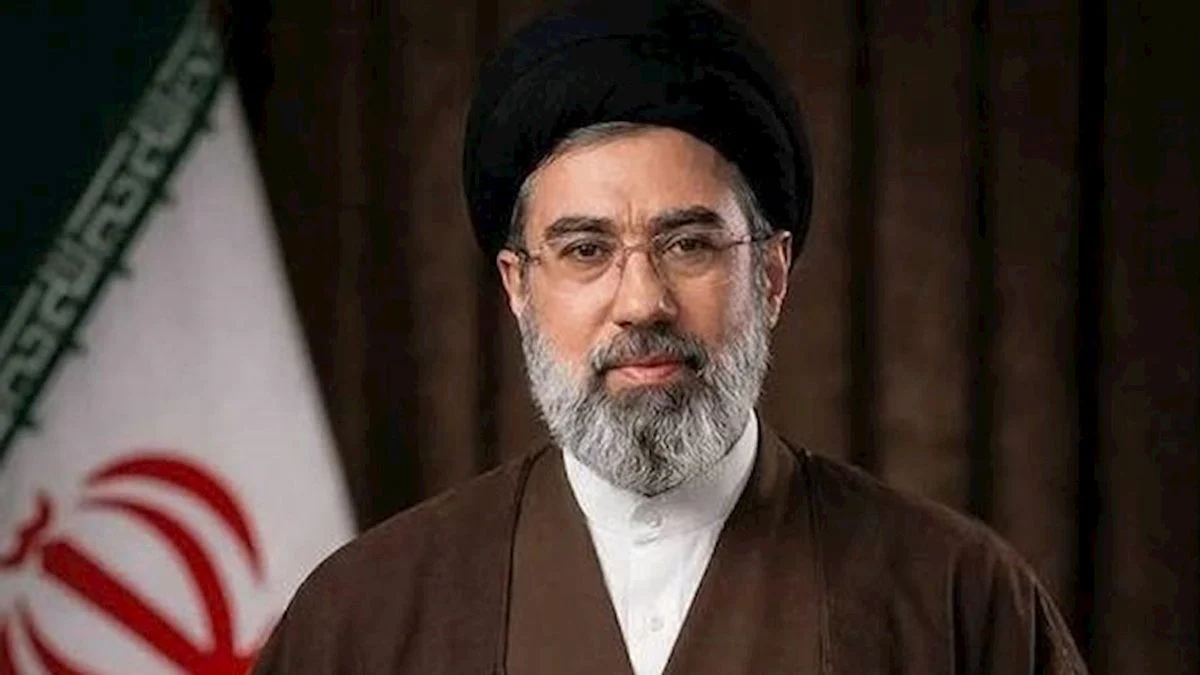
Iran has entered a historic political transition after clerics selected Mojtaba Khamenei as the new Iranian supreme leader. The decision followed the death of longtime leader Ayatollah Ali Khamenei during the escalating regional conflict. Iran’s Assembly of Experts formally approved the appointment after several days of internal deliberations. The move places the late leader’s son at the center of one of the most volatile periods in Iran’s modern history.
Mojtaba Khamenei, who is fifty-six years old, became the third Iranian Supreme Leader since the Islamic Republic was formed. The Assembly of Experts, a powerful clerical body responsible for selecting the leader, announced through state media. The organization holds constitutional authority to appoint a successor whenever the position becomes vacant. His appointment follows the death of his father during the opening days of the current war.
The new leader was born in 1969 in the northeastern Iranian city of Mashhad. His early childhood unfolded while his father emerged as a major revolutionary figure opposing the monarchy. After the 1979 Islamic Revolution, the family relocated to Tehran as Ali Khamenei entered senior government roles. Mojtaba later pursued religious studies in the capital and trained under prominent clerics.
Over the years, he gradually built influence within Iran’s political and security establishment. Analysts often described him as a key behind-the-scenes figure inside his father’s office. His close relationships with the Islamic Revolutionary Guard Corps strengthened his position within Iran’s power structure. Those connections ultimately helped establish him as a leading candidate for the Iranian Supreme Leader position.
However, his appointment has also generated controversy both inside and outside Iran. Critics argue that transferring leadership from father to son resembles hereditary rule rather than the revolutionary ideals. Iran’s political system historically rejected dynastic succession after the monarchy collapsed in 1979. Nevertheless, supporters within the security establishment strongly backed Mojtaba’s leadership during the crisis.
The United States government has previously imposed sanctions against Mojtaba Khamenei. In 2019, American authorities designated him under sanctions related to his political influence. Officials accused him of representing his father in official matters despite lacking a formal government position. They also alleged he worked closely with powerful Iranian security organizations.
International reactions to the appointment have been swift as tensions continue across the region. Some foreign leaders expressed concern that the leadership change may deepen existing geopolitical divisions. Meanwhile, analysts believe the Iranian Supreme Leader transition could influence decisions regarding security strategy and nuclear policy. The new leader now faces immediate challenges in managing war pressures and maintaining domestic stability.
Ultimately, Mojtaba Khamenei assumes leadership during one of the most dangerous moments in the country’s history. Ongoing military confrontations and economic pressures will shape the early phase of his rule. Observers across the world now watch closely as Iran’s new leadership navigates the growing crisis.

