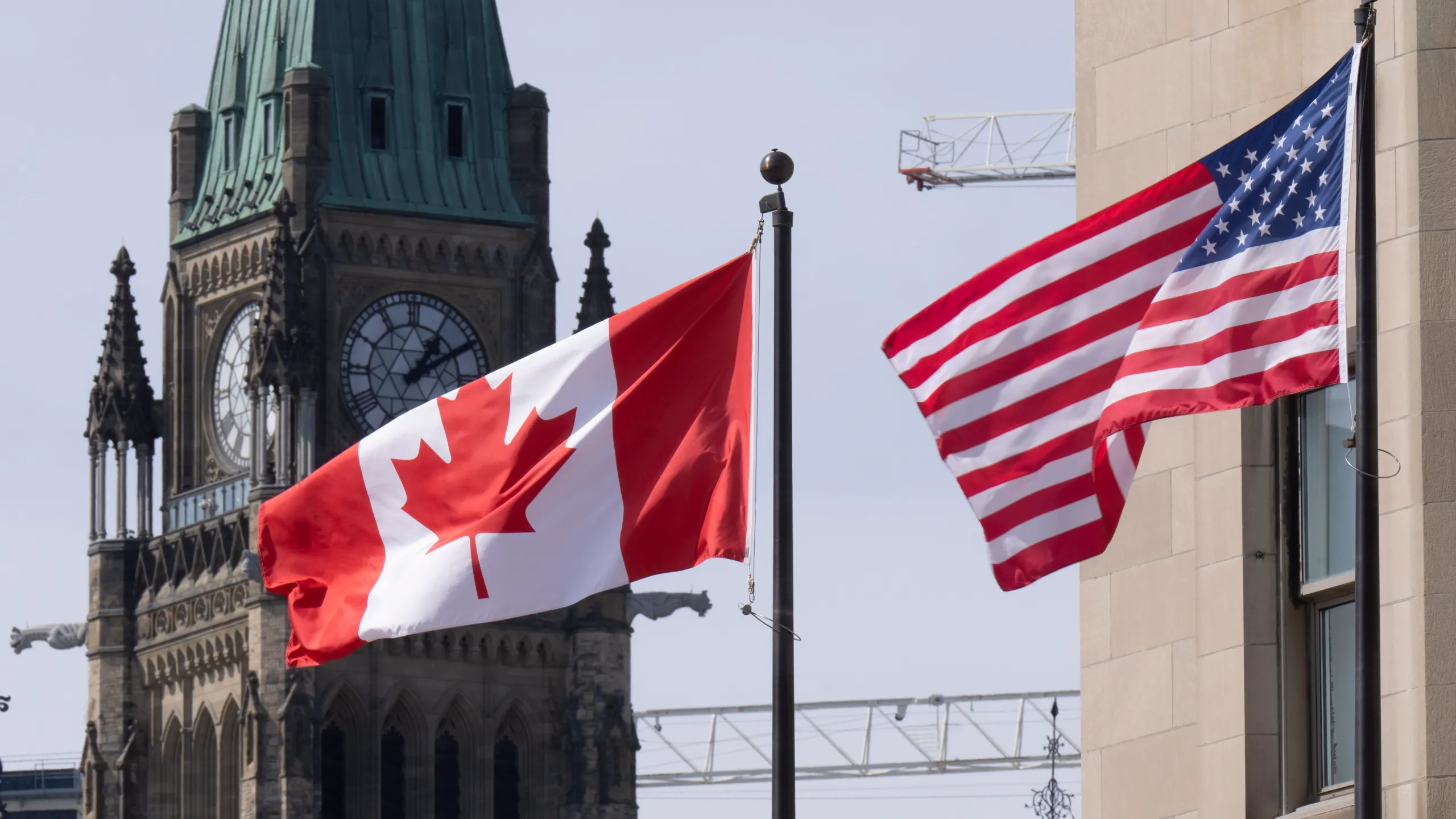
The trade negotiation dispute intensifies as Canada and the United States prepare for critical USMCA review discussions. The dispute highlights growing friction between the two countries over trade rules and negotiation expectations. Leaders on both sides now signal significant differences ahead of formal talks.
Canadian Prime Minister Mark Carney stated that Canada will not accept conditions dictated by the United States. Additionally, he emphasized that negotiations require mutual agreement rather than one-sided demands from either country. His remarks followed comments from U.S. officials expressing concerns about Canadian trade policies.
Meanwhile, the U.S. trade representative, Jamieson Greer, told lawmakers that Canada continues to support global trade policies. He argued that this approach differs from U.S. efforts to address issues linked to globalization impacts. Consequently, both governments appear divided on the direction of future trade cooperation.
Furthermore, both countries face a July deadline for a mandatory review of the USMCA agreement. This agreement also includes Mexico, which plans to begin separate bilateral discussions with the United States. However, formal Canada-U.S. negotiations have not yet started.
In addition, officials from both countries continue informal communication while preparing for structured talks. Despite this, analysts expect negotiations to remain challenging due to unresolved policy disagreements. Therefore, reaching a comprehensive agreement may require extended discussions.
At the same time, Canada has already adjusted certain policies to reduce tensions with the United States. For example, it removed planned taxes on some American technology firms earlier in the year. However, several other trade issues continue to create disagreement.
Moreover, U.S. officials have raised concerns about Canadian restrictions on American dairy products and alcohol imports. They argue that these measures limit fair market access for U.S. producers. In response, Canadian officials defend their supply management system for domestic agricultural stability.
Additionally, U.S. representatives have warned that enforcement measures could follow if disputes remain unresolved. However, Canadian leaders continue to reject changes to core agricultural policies. As a result, dairy remains a central point in the ongoing trade negotiation dispute.
Furthermore, both sides acknowledge that achieving agreement will require compromise on multiple issues. Canadian officials stated that they are open to discussions on most trade concerns. Nevertheless, they insist that broader agreement must protect national economic priorities.
Meanwhile, U.S. officials expressed hope that negotiations will eventually progress toward a comprehensive solution. However, they also indicated that significant gaps remain between the two governments. Consequently, uncertainty continues surrounding the timing of formal negotiation sessions.
In conclusion, the trade negotiation dispute reflects deeper tensions in North American trade relations. As the USMCA review approaches, both countries continue to navigate complex economic and political disagreements. Ultimately, future talks will determine the stability of regional trade cooperation.