
Pennsylvania Governor Josh Shapiro has joined a coalition challenging a new federal mail-in voting rule before November’s midterm elections. The lawsuit targets requirements issued by the U.S. Postal Service after a recent Supreme Court decision revived broader disputes.
The coalition includes attorneys general from 23 states and Washington, D.C., who argue the new Mail-In Voting requirements exceed federal authority. Their complaint claims the Postal Service cannot independently establish procedures that influence how states administer elections.
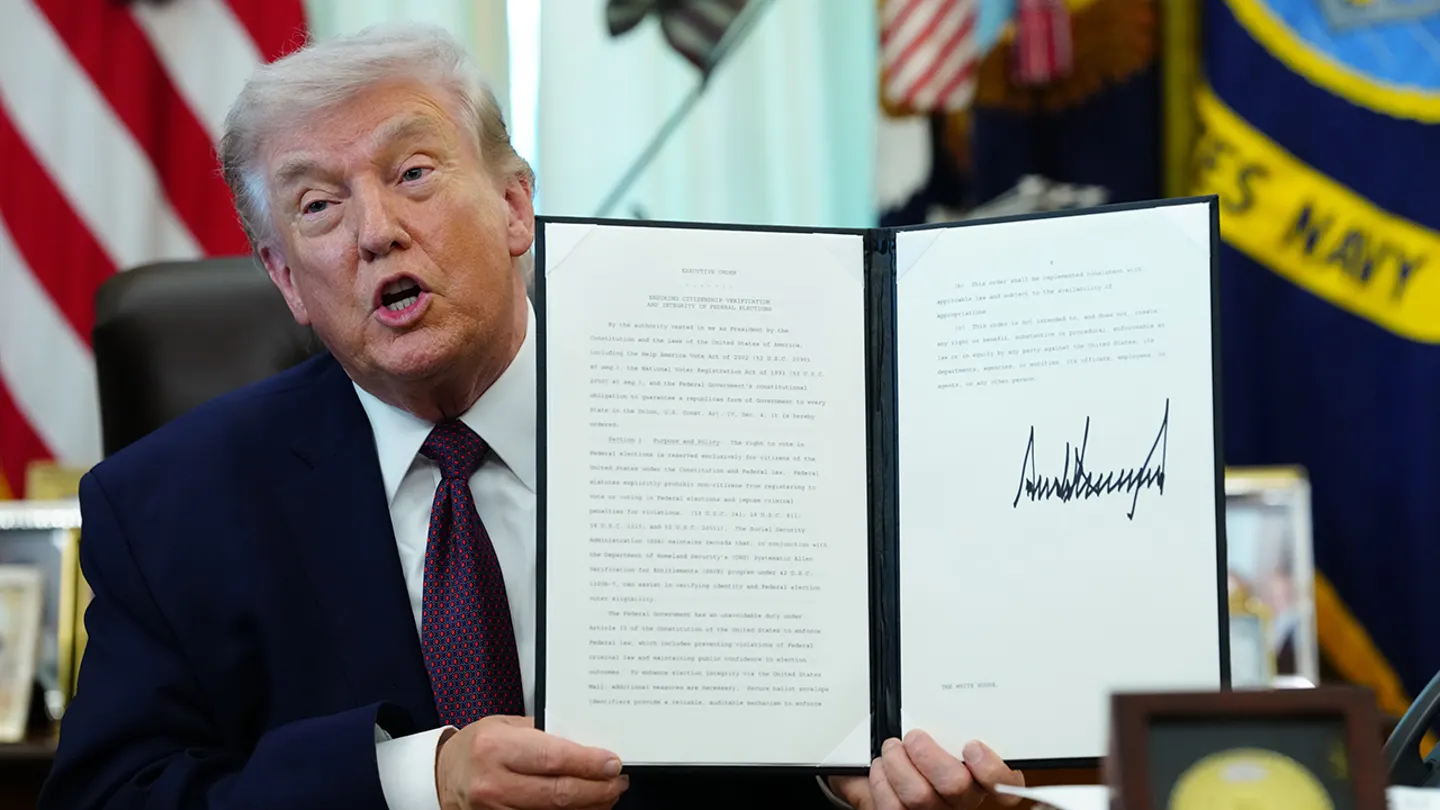
The legal action follows a major Supreme Court ruling involving an earlier challenge to President Donald Trump’s election directives. The justices temporarily halted a lower court injunction after concluding the original lawsuit arrived before a final postal rule existed.
However, the states returned to court shortly afterward when the Postal Service finalized its Ballot Mail for Federal Elections rule. They argue that the finalized regulation now creates direct obligations and potential costs for state and local election officials.
Under the new requirements, election officials must provide information about intended mail ballot recipients through a federal portal. The Postal Service would then compile separate lists of registered Mail-In Voting recipients based on information submitted by participating jurisdictions.
Additionally, the rule establishes requirements involving ballot tracking features and specific envelope design procedures for federal elections. Election officials may also need to submit proposed envelope designs for federal review before using them.
Shapiro criticized the Trump administration’s approach and argued that states retain primary authority over election administration. He also said Pennsylvania voters could continue casting ballots by mail while the legal challenge moved through federal courts.
Meanwhile, the White House defended the administration’s election policies and described the Supreme Court ruling as a significant victory. Administration officials argued that the government would continue pursuing measures intended to strengthen election security before the midterms.
The states, however, contend that Congress never granted the Postal Service authority to supervise state election procedures. They also argue that the agency bypassed important review requirements before implementing a nationwide operational change.
Furthermore, the complaint warns that election offices could face substantial logistical pressures as November’s elections approach rapidly. Officials may need to change established procedures, share additional voter information, or replace previously purchased ballot envelopes.
The coalition has asked the court to immediately block the regulation while the broader lawsuit proceeds. Ultimately, the states want judges to invalidate the rule and prevent the Postal Service from enforcing its disputed requirements.
Their legal strategy also addresses the Supreme Court’s earlier concerns regarding the timing of the original challenge. The states argue that the agency’s finalized regulation now provides the concrete government action required for judicial review.
A previous injunction had temporarily prevented the Postal Service from implementing several disputed requirements before the midterms. However, the lower court lifted that restriction after the Supreme Court’s decision altered the earlier legal proceedings.
The lawsuit therefore opens another major front in the continuing political and legal battle over Mail-In Voting. With the midterm elections approaching, the outcome could influence how states and federal agencies manage ballot procedures nationwide.