Florida has introduced sweeping Welfare Limits that restrict how recipients can spend cash assistance loaded onto EBT cards. The new restrictions target purchases officials consider nonessential, while the Trump administration encourages other states to consider similar policies.
The changes apply to Florida’s Temporary Cash Assistance program, which receives federal funding through Temporary Assistance for Needy Families. However, the program differs from SNAP, meaning households can receive both benefits through separate balances on one EBT card.
Under Florida’s updated plan, recipients cannot use cash assistance for tattoos, body piercings, theme-park admissions, video games, vaping products, or other restricted purchases. Additionally, the rules prohibit transactions involving certain entertainment services, nicotine products, pornography, and psychic or fortune-telling services.
Florida had already restricted EBT transactions involving alcohol, adult entertainment establishments, casinos, and commercial bingo locations. However, the latest changes expand those restrictions by targeting individual products and services at otherwise eligible retailers.
Meanwhile, Florida has also introduced separate restrictions affecting certain food purchases through its Healthy SNAP initiative. Those rules prevent recipients from using food assistance on items including soda, energy drinks, candy, and some highly processed desserts.
The new cash-assistance policy now extends those food restrictions to Florida’s TANF-funded program. Furthermore, officials added restrictions covering several non-food purchases they classify as unnecessary or outside basic household needs.
The federal Administration for Children and Families approved Florida’s updated TANF plan this week. Officials praised the state for establishing what they described as practical safeguards around taxpayer-funded assistance.
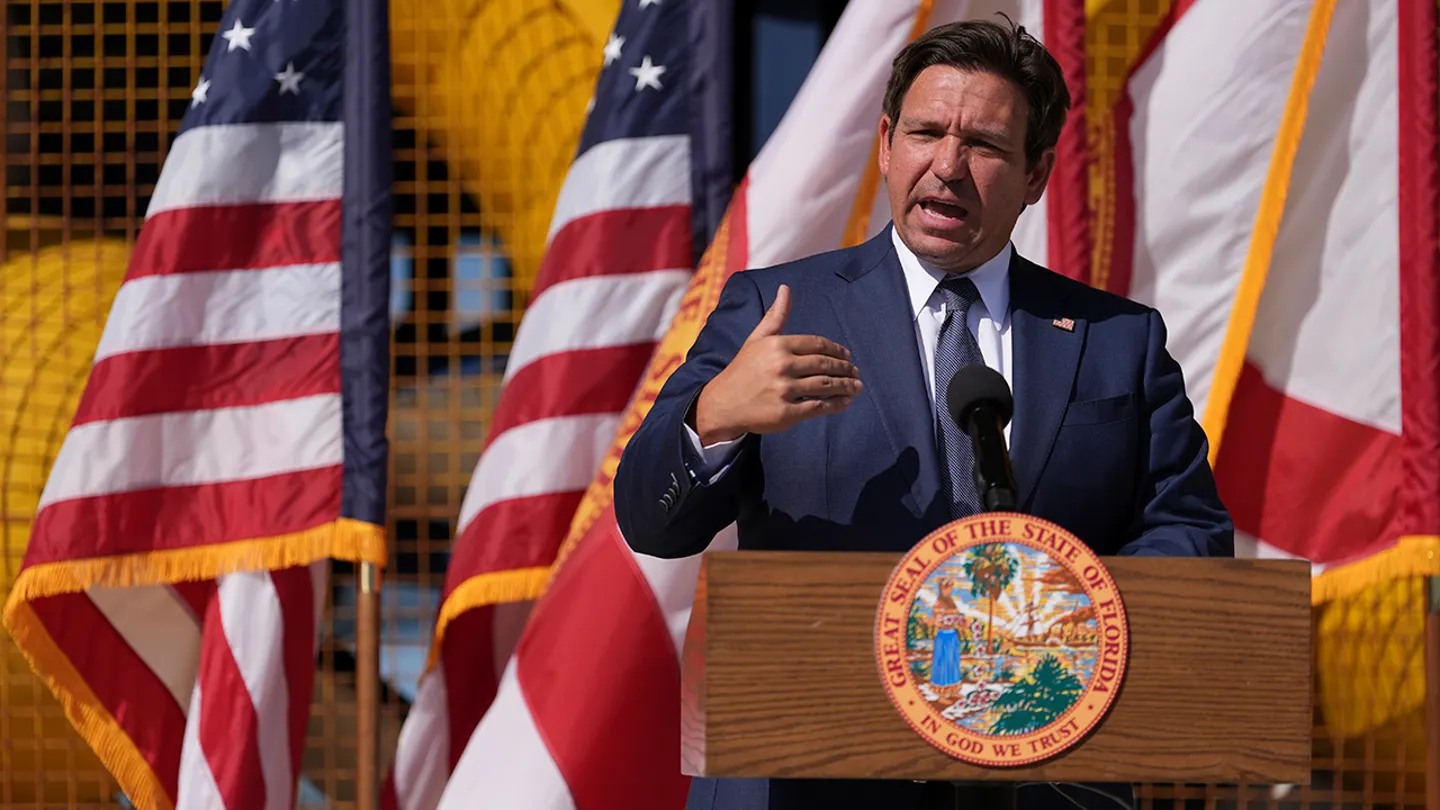
Florida Gov. Ron DeSantis said the program should help families meet essential expenses and overcome financial obstacles. At the same time, he emphasized accountability and transparency while promising continued support for residents who genuinely need assistance.
Federal officials also stressed that the new Welfare Limits do not reduce the amount recipients receive each month. Instead, the restrictions determine which purchases families can make using their existing cash-assistance benefits.
Administration officials characterize TANF as temporary assistance designed primarily to address essential needs. Therefore, they argue that government-funded cash should support necessities rather than discretionary purchases.
Florida households typically receive approximately $250 each month through the cash-assistance program, according to state officials. That assistance can help eligible families pay for necessities including clothing, housing, utilities, household goods, personal-care items, and food.
However, implementing the restrictions will require coordination between Florida, its EBT provider, and participating retailers. Officials plan to introduce the changes gradually while retailers update their systems to identify prohibited transactions.
Under the finalized plan, recipients can withdraw TCA cash only through SNAP-authorized retailers. They can also access funds through financial institutions that accept EBT transactions under the program’s requirements.
The Trump administration now hopes other states will consider adopting similar Welfare Limits for their own TANF programs. Federal officials say many states currently maintain fewer restrictions beyond federally required EBT location rules.
Administration officials specifically described Florida’s approach as a potential model for states seeking tighter controls. They also indicated that federal agencies intend to highlight the policy as a possible best practice nationwide.
As a result, Florida’s policy could influence a broader debate over how governments structure assistance for low-income families. Supporters emphasize responsible spending, while future discussions may focus on government oversight and recipients’ flexibility.
For now, Florida remains the first state implementing these broader restrictions across TANF cash-assistance purchases. The policy’s rollout will determine how effectively retailers and EBT systems enforce the new rules.