
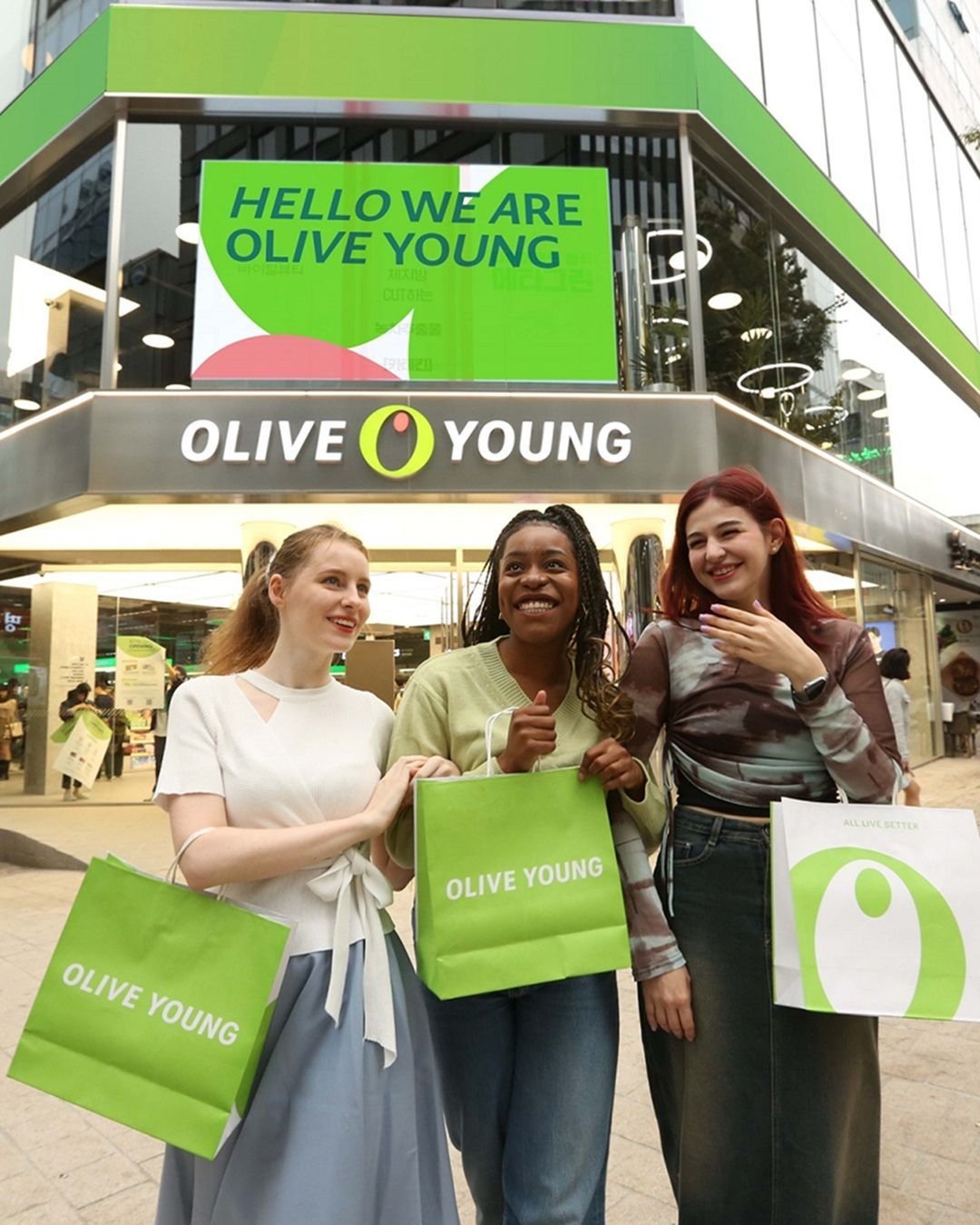
Korean Beauty Growth is accelerating across the United States as shoppers increasingly embrace skincare products from South Korea. Retailers and analysts believe the trend still has significant room for expansion. The growing popularity reflects changing consumer habits and rising interest in global beauty products.
South Korean beauty retailer Olive Young recently opened its first American store in California. The location attracted thousands of visitors during its opening weekend. Additionally, the company reported strong daily customer traffic after launching its first locations.
The success of these stores represents a larger shift happening throughout the US beauty industry. Consumers are discovering new brands through social media, travel, and online shopping platforms. Therefore, Korean skincare companies are finding more opportunities to reach American customers.
The popularity of Korean cosmetics began increasing years ago through interest in detailed skincare routines. During the pandemic, many consumers spent more time learning about ingredients and beauty techniques. As a result, skincare-focused products gained stronger attention among younger shoppers.
Many customers became interested in achieving healthier-looking skin instead of relying mainly on traditional makeup products. The popular “glass skin” trend helped introduce Korean beauty methods to wider audiences. Consequently, consumers started exploring products focused on hydration, prevention, and long-term skincare.
Korean Beauty Growth has entered a new stage as brands continue expanding throughout the American market. Industry analysts report that Korean beauty sales have increased significantly during recent years. Furthermore, household adoption continues growing as more shoppers try these products.
Experts expect Korean beauty sales to maintain momentum because of strong consumer interest. The combination of affordable pricing and effective ingredients continues attracting new customers. Additionally, the influence of Korean culture has helped increase awareness of these brands.
The trend has also changed how American retailers approach beauty products. Many stores are adding more Korean skincare brands to meet customer demand. Therefore, companies are adjusting their strategies to include more international beauty options.
Physical retail locations are becoming increasingly important alongside online shopping platforms. While many consumers discover products digitally, they often want to experience brands in stores. As a result, retailers are creating more spaces dedicated to Korean and Asian beauty products.
Korean Beauty Growth may also influence future beauty trends beyond South Korea. Experts believe products from other Asian countries could gain popularity in the United States. Countries including Japan, China, Thailand, and Vietnam may see increased consumer attention.
However, the expansion creates challenges for some premium beauty companies. Korean products often have lower prices compared with luxury skincare brands. Therefore, some analysts believe the trend could affect average spending levels across the industry.
Retailers are responding by increasing their Korean beauty selections and introducing new brands. Large stores continue adding more skincare, makeup, and wellness products from Asian markets. This approach allows companies to attract customers searching for affordable and effective solutions.
Korean Beauty Growth shows that consumer preferences are changing within the global beauty market. Shoppers increasingly value ingredients, product performance, and accessible prices. Meanwhile, international brands continue finding new ways to connect with American consumers.
The continued rise of Korean beauty products suggests a long-term shift rather than a temporary trend. As demand grows, more retailers and companies are expected to expand their presence. The influence of Korean skincare could continue shaping the future of beauty worldwide.

