
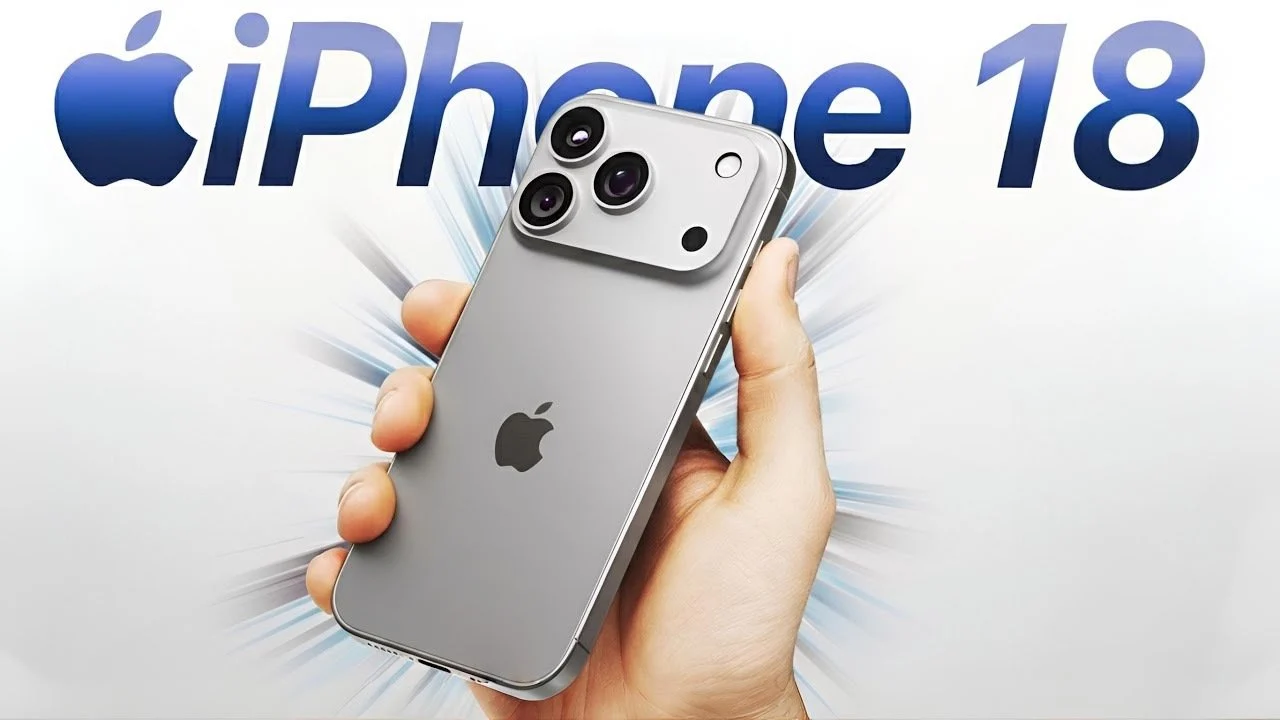
The iPhone 18 launch is expected to influence the premium smartphone market during the second half of 2026. As anticipation builds, industry analysts continue examining how Apple’s release cycle shapes competition, retail strategy, and carrier planning worldwide.
Apple typically unveils its flagship smartphones in September, which has become a defining period for the global tech industry. As a result, competing manufacturers often adjust their own launch schedules to avoid overlapping with Apple’s announcement window.
Reports suggest Apple could introduce the iPhone 18 Pro and iPhone 18 Pro Max in early September. If this timeline holds, Android manufacturers may face increased competitive pressure during the same quarter.
Timing plays a critical role in the smartphone industry, often influencing visibility more than hardware features alone. Therefore, companies strategically choose launch periods that maximize media attention and consumer engagement.
In recent years, major Android brands have increasingly shifted flagship announcements to earlier summer months. This approach allows them to build momentum before Apple dominates industry headlines in the autumn season.
Samsung continues to focus on premium foldable devices, strengthening its position in the high-end segment. Meanwhile, Google has moved toward earlier product announcements to secure visibility ahead of Apple’s annual cycle.
Apple’s launch schedule also significantly impacts mobile carriers and retailers. Consequently, companies often adjust marketing budgets, promotional campaigns, and inventory planning around the iPhone release window.
Carriers typically introduce trade-in deals, upgrade incentives, and bundled offers during new iPhone launches. This concentrated marketing activity can reduce visibility for competing smartphones during the same period.
Retailers also allocate shelf space and promotional resources based on expected demand spikes. As a result, rival devices often receive less attention during the peak iPhone sales cycle.
Consumer behavior tends to shift sharply following Apple announcements, with many buyers delaying purchases until new models are revealed. This creates additional pressure for competitors trying to maintain sales momentum.
Pre-order periods further intensify this effect, as customers compare pricing, ecosystem benefits, and trade-in values before making final decisions. During this stage, marketing competition among brands becomes especially aggressive.
Apple’s ecosystem advantage also strengthens retention among existing users. Many customers already own compatible devices, subscriptions, and accessories, making upgrades more seamless within the Apple ecosystem.
However, Android manufacturers continue to compete through design innovation, pricing flexibility, and feature differentiation. This ongoing competition ensures the premium smartphone market remains highly competitive despite Apple’s dominance.
Industry analysts expect companies to further refine launch timing and promotional strategies in response to Apple’s established schedule. Carriers and retailers are also likely to adjust their planning to match consumer demand patterns.
The iPhone 18 launch highlights how timing and ecosystem strength shape the smartphone market as much as technical innovation. As the release window approaches, industry attention will remain focused on how competitors respond to Apple’s annual flagship cycle.

