
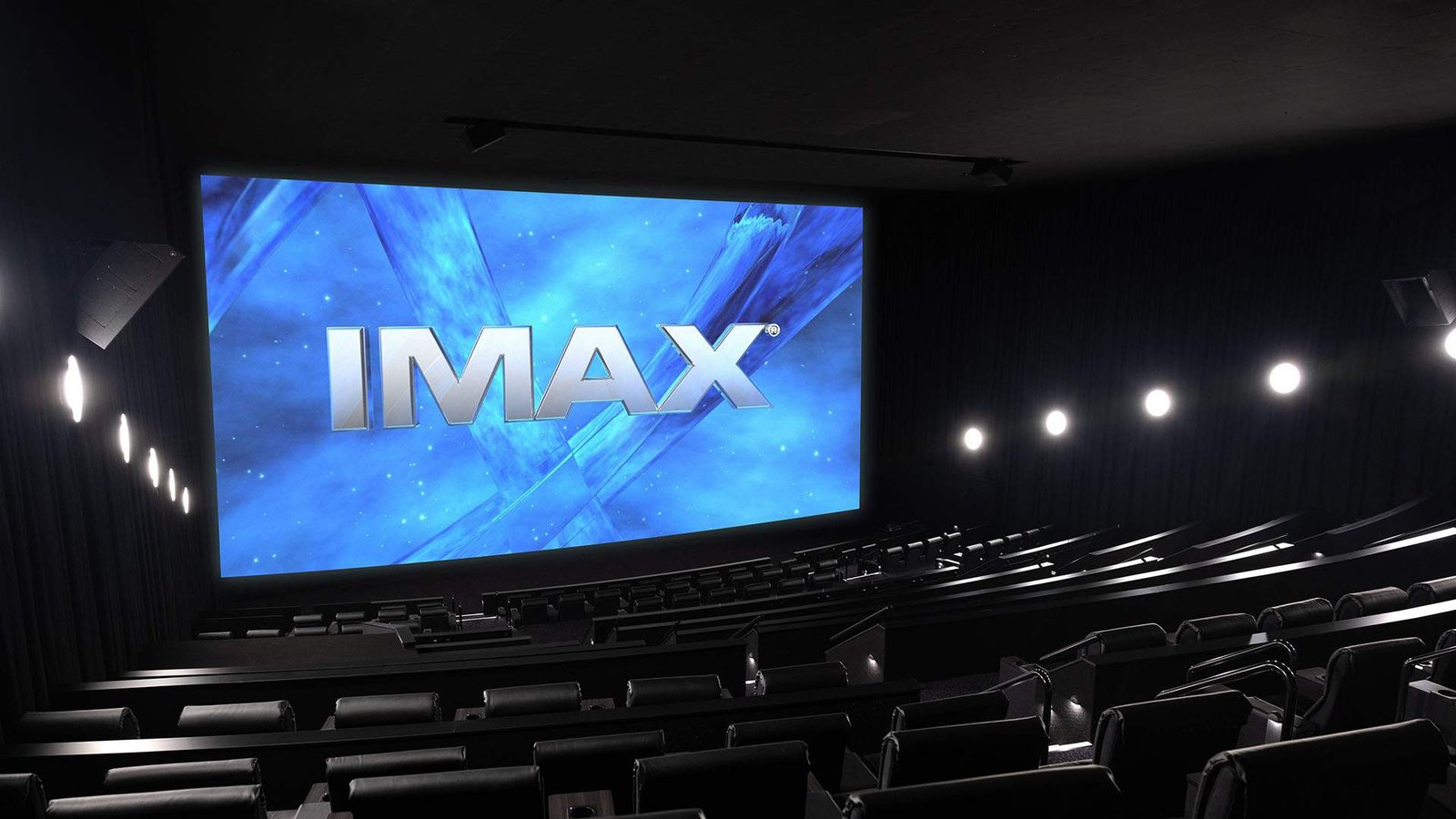
IMAX Growth is accelerating as audiences increasingly choose premium cinema experiences for major blockbuster releases worldwide. The company recently recorded its strongest monthly box-office performance, supported by unusually high demand for IMAX screenings. Christopher Nolan’s latest film, The Odyssey, played an important role in driving that impressive performance during July.
The movie attracted audiences who specifically wanted to experience its large-format presentation and high-resolution visual technology. As a result, IMAX generated $257 million in global box-office sales during July, marking its strongest month ever. Furthermore, The Odyssey quickly became the company’s highest-grossing IMAX release after reaching $289 million globally.
That performance reflects a broader change in how moviegoers approach theatrical entertainment and premium cinema experiences. According to IMAX CEO Richard Gelfond, audiences increasingly view the format as an important part of major films. Several successful releases have strengthened that trend, including Dune, Oppenheimer, and Sinners during recent years.
Consequently, major filmmakers increasingly consider premium large-format screenings when planning and promoting important theatrical releases. The company expects that momentum to continue with several major productions scheduled for release during upcoming months. Dune: Part Three represents one of the most anticipated titles expected to generate significant demand for IMAX screenings.
The company’s business model allows it to generate substantial revenue without owning most participating movie theaters. IMAX operates through two primary divisions that focus on content services and cinema technology. Under its content business, movie studios pay IMAX to prepare and distribute films specifically optimized for its format.
The company receives a percentage of box-office revenue generated through those agreements with participating studios. In addition, IMAX earns money by selling, leasing, or renting specialized cinema equipment to theater operators. Its technology division generated approximately $251 million in revenue during 2025, making it especially important.
The content division also produced about $151 million during the same period, according to company financial figures. Therefore, IMAX can benefit from successful films without carrying the expenses associated with owning numerous theaters. The company instead licenses its technology and brand to cinema operators around the world.
Theaters can purchase the equipment directly or enter revenue-sharing arrangements with IMAX under long-term agreements. These arrangements allow IMAX to participate in ticket revenue while helping theaters introduce premium screening capabilities. Moreover, higher ticket prices can strengthen the economics of the model for both theater operators and IMAX.
IMAX 70mm screenings can cost considerably more than conventional movie tickets, reflecting their specialized equipment and limited availability. That premium pricing also demonstrates the willingness of some moviegoers to spend more for distinctive entertainment experiences. Meanwhile, the limited number of 70mm locations creates additional demand when major films receive specialized large-format releases.
Only a relatively small number of theaters worldwide currently offer the full IMAX 70mm experience. That scarcity can encourage dedicated fans to travel significant distances when highly anticipated films reach theaters. Consequently, premium-format releases can generate strong ticket sales even when audiences face higher admission prices.
IMAX Growth also benefits from its established brand recognition among filmmakers and moviegoers. The company competes with other premium cinema formats that provide upgraded picture and sound compared with standard theaters. However, IMAX continues to emphasize its combination of large screens, specialized projection, and immersive presentation.
The company’s strategy increasingly positions IMAX as a premium entertainment experience rather than simply another movie format. At the same time, expanding the 70mm network remains difficult because specialized film prints carry significant production costs. Studios must also determine whether individual locations can attract enough customers to justify those additional expenses.
For that reason, the company views 70mm presentations as a premium offering designed for especially strong theatrical releases. Overall, recent box-office results suggest that audiences remain willing to pay more for distinctive movie experiences. IMAX Growth could therefore continue if major filmmakers keep producing films designed specifically for premium theatrical presentation.
Upcoming blockbuster releases may provide another test of whether the recent surge represents temporary excitement or lasting demand. For now, strong ticket sales, premium pricing, and growing audience interest have strengthened IMAX’s position in theatrical entertainment.

