
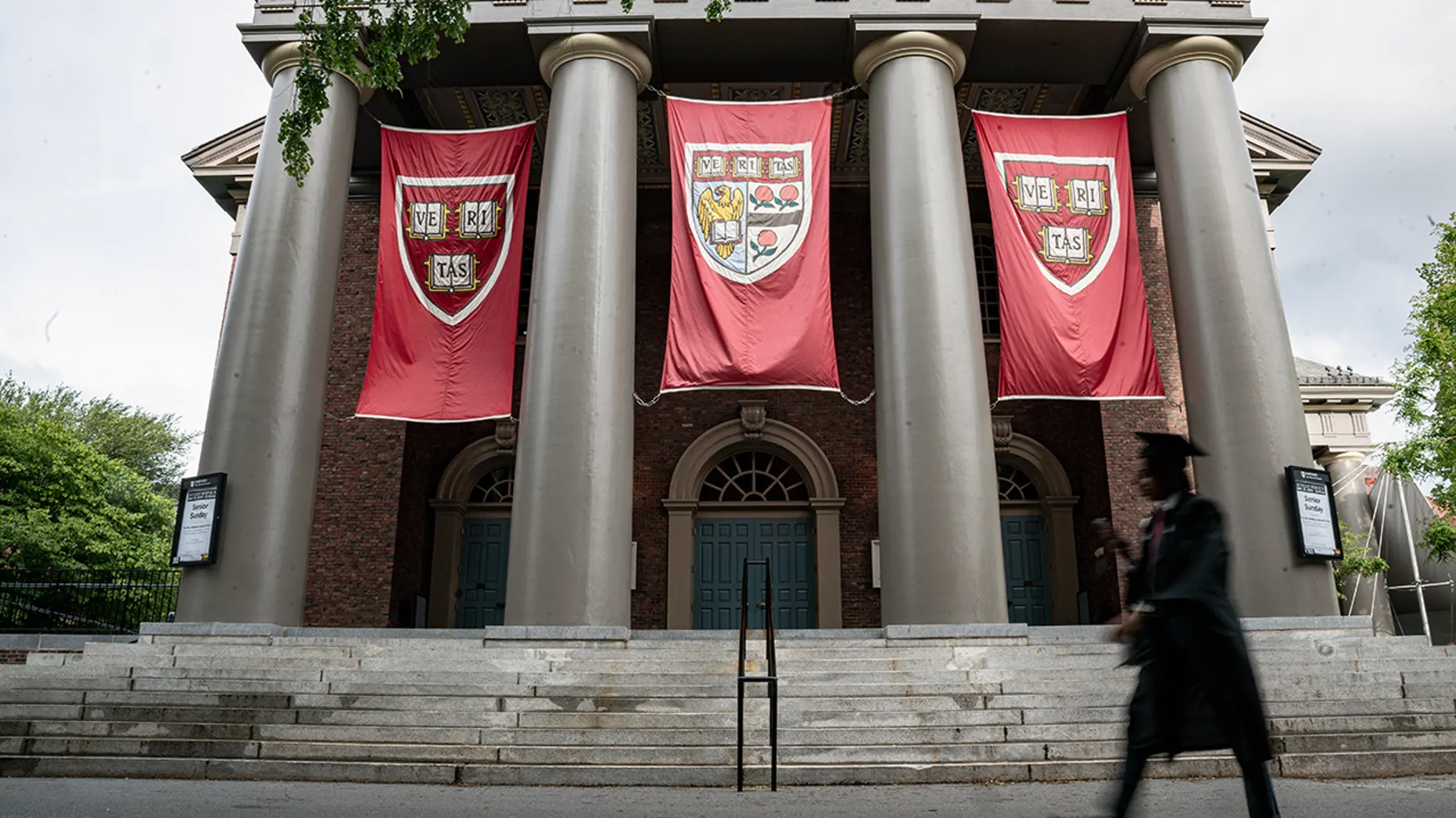
Harvard investigation has entered a new phase after the Justice Department began reviewing the university’s financial aid practices. Meanwhile, federal officials want to determine whether certain foreign-funded scholarship programs comply with national civil rights laws.
The Justice Department announced an inquiry into Harvard University’s financial aid programs involving foreign donations. Specifically, investigators want to determine whether overseas-funded scholarships improperly favor students from certain countries over other qualified applicants.
According to federal officials, the review focuses on financial aid supported by donors from China and other countries. Furthermore, investigators believe some donations include nationality-based restrictions that could conflict with federal anti-discrimination requirements.
The department stated that Title VI of the Civil Rights Act of 1964 prohibits federally funded schools from discriminating based on national origin. Therefore, officials are reviewing whether Harvard followed those legal standards when distributing financial aid tied to foreign donations.
Assistant Attorney General for Civil Rights Harmeet Dhillon said every American student deserves an equal opportunity to compete for scholarships and grants. Additionally, she argued that federally funded universities cannot legally administer donor-funded aid that excludes American citizens because of nationality.
Federal investigators emphasized that the inquiry remains active and no final conclusions have been reached. Likewise, the department declined to identify the scholarship programs or donors included in the review.
Harvard rejected claims that its financial aid policies violate federal civil rights law. Instead, university officials said they comply with reporting requirements and distribute aid without unlawful discrimination.
The university also stated that it follows all legal requirements governing foreign donations and financial aid. Consequently, Harvard maintains that its policies remain consistent with federal law for educational institutions receiving public funding.
Federal law requires colleges and universities to disclose foreign gifts and contracts worth at least $250,000. During a review of those disclosures, the Justice Department found Harvard reported nearly $4.5 billion in foreign funding.
Officials also noted that more than $630 million of those contributions came from China. As a result, investigators continue examining whether any donor conditions attached to those funds raise legal concerns.
Harvard investigation also includes questions about private scholarship funds reserved for students from specific countries. However, federal authorities want to determine whether those restrictions conflict with civil rights protections for American students.
One well-known example involved a 2014 donation of $15 million from SOHO China co-founders Pan Shiyi and Zhang Xin. However, the Justice Department has not confirmed whether investigators included that contribution in the current review.
Harvard provides need-based financial aid to international students through university resources. Moreover, the university supplements some international assistance through private scholarships and campus employment opportunities.
The inquiry represents another chapter in the federal government’s ongoing scrutiny of Harvard University. Previously, officials examined campus antisemitism, admissions policies, and the university’s handling of foreign student issues.
Meanwhile, separate legal disputes between Harvard and the federal government continue in federal court. A judge previously blocked efforts to suspend billions of dollars in research funding while litigation continues.
Harvard investigation now places additional attention on the university’s handling of foreign donations and scholarship programs. Ultimately, the Justice Department’s findings could influence future oversight of foreign-funded financial aid practices across American universities.