
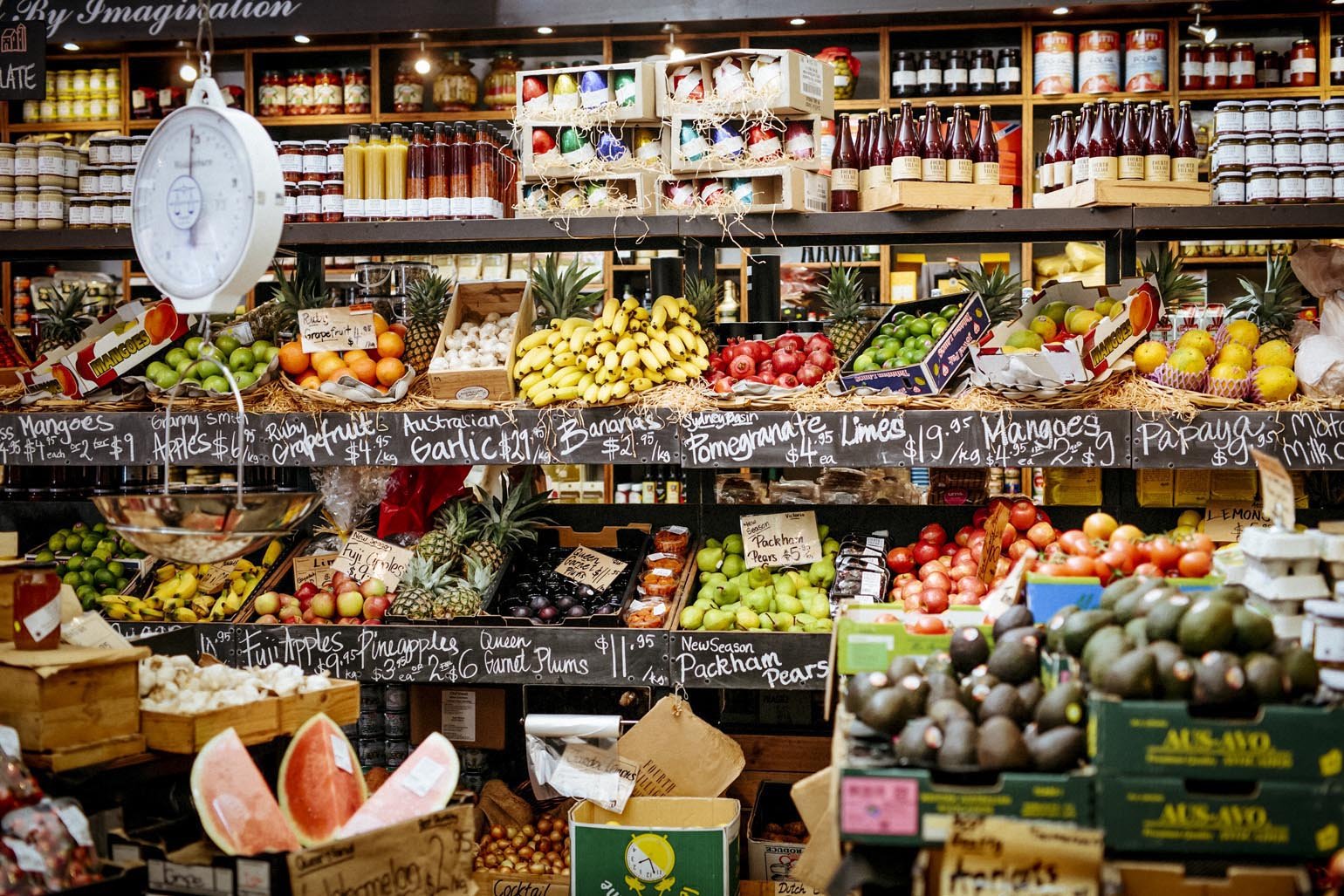
Grocery Prices continue influencing how Americans shop as households adjust spending after the sharpest food inflation in decades. Consequently, many families now rely on discounts, coupons, store brands, and careful meal planning to stretch their grocery budgets further.
Food costs have increased dramatically since 2019, placing continued pressure on household budgets across the United States. Although wages have also risen during that period, many consumers believe everyday expenses continue outpacing their financial comfort. Therefore, grocery shopping has become a carefully planned weekly activity for millions of households.
Several factors contributed to the sharp increase in food costs during recent years. Pandemic-related supply disruptions, higher transportation expenses, labor shortages, severe weather, animal diseases, tariffs, and geopolitical conflicts all affected food production and distribution. As a result, supermarkets passed many of those additional costs on to consumers.
Many shoppers now begin planning meals before leaving home instead of making purchases spontaneously. They compare prices through mobile applications, review weekly promotions, and search for digital coupons before entering stores. Additionally, shoppers often visit multiple supermarkets to secure the lowest available prices on everyday essentials.
Consumers increasingly replace premium brands with lower-cost alternatives whenever price differences become too significant. Furthermore, many households now reduce purchases of favorite products while prioritizing necessities over convenience items. These changes reflect long-term adjustments rather than temporary responses to higher prices.
Economic experts note that food prices remain especially noticeable because families purchase groceries every week. Consequently, consumers quickly recognize even small increases in common household products compared with occasional larger purchases. Rising housing, utility, and transportation expenses also contribute to financial pressure facing many households.
Lower-income families continue experiencing the greatest challenges because food represents a much larger share of their household budgets. Therefore, even moderate price increases create difficult decisions regarding meals, nutrition, and other essential expenses. Community assistance programs and food banks remain important resources for many households facing financial hardship.
Meat prices illustrate the broader impact of food inflation across grocery stores. Beef prices have increased substantially during recent years because cattle supplies declined while production costs continued rising. Consequently, many families now purchase more affordable protein options, including chicken, deli products, or plant-based alternatives.
Households across different regions have adopted similar cost-saving strategies despite varying local food prices. Many shoppers purchase generic products instead of national brands while reducing restaurant visits and unnecessary food purchases. Moreover, families increasingly prepare meals at home using discounted ingredients available each week.
Businesses that depend on consumer spending have also observed lasting changes in shopping behavior. Industry analysts say many consumers now establish strict weekly grocery budgets and rarely exceed those spending limits. Therefore, retailers continue expanding promotions and loyalty programs to attract value-conscious shoppers.
Residents in higher-cost areas face additional financial pressure because regional food prices often exceed national averages. Shipping expenses, transportation challenges, and local market conditions further increase grocery bills in several communities. Consequently, consumers regularly substitute ingredients or delay purchasing higher-priced items until discounts become available.
Families also report reducing purchases of specialty products, premium snacks, and prepared meals to control expenses. Instead, they focus on affordable staples while carefully managing weekly meal plans around promotional offers. These habits help households maintain spending targets despite continued market uncertainty.
Overall, Americans continue adapting to a grocery market shaped by years of elevated inflation and changing economic conditions. Although supply chains have improved in many sectors, Grocery Prices remain an important concern for households nationwide. As consumers continue adjusting spending priorities, Grocery Prices will likely remain a central factor influencing shopping decisions throughout the coming months.