
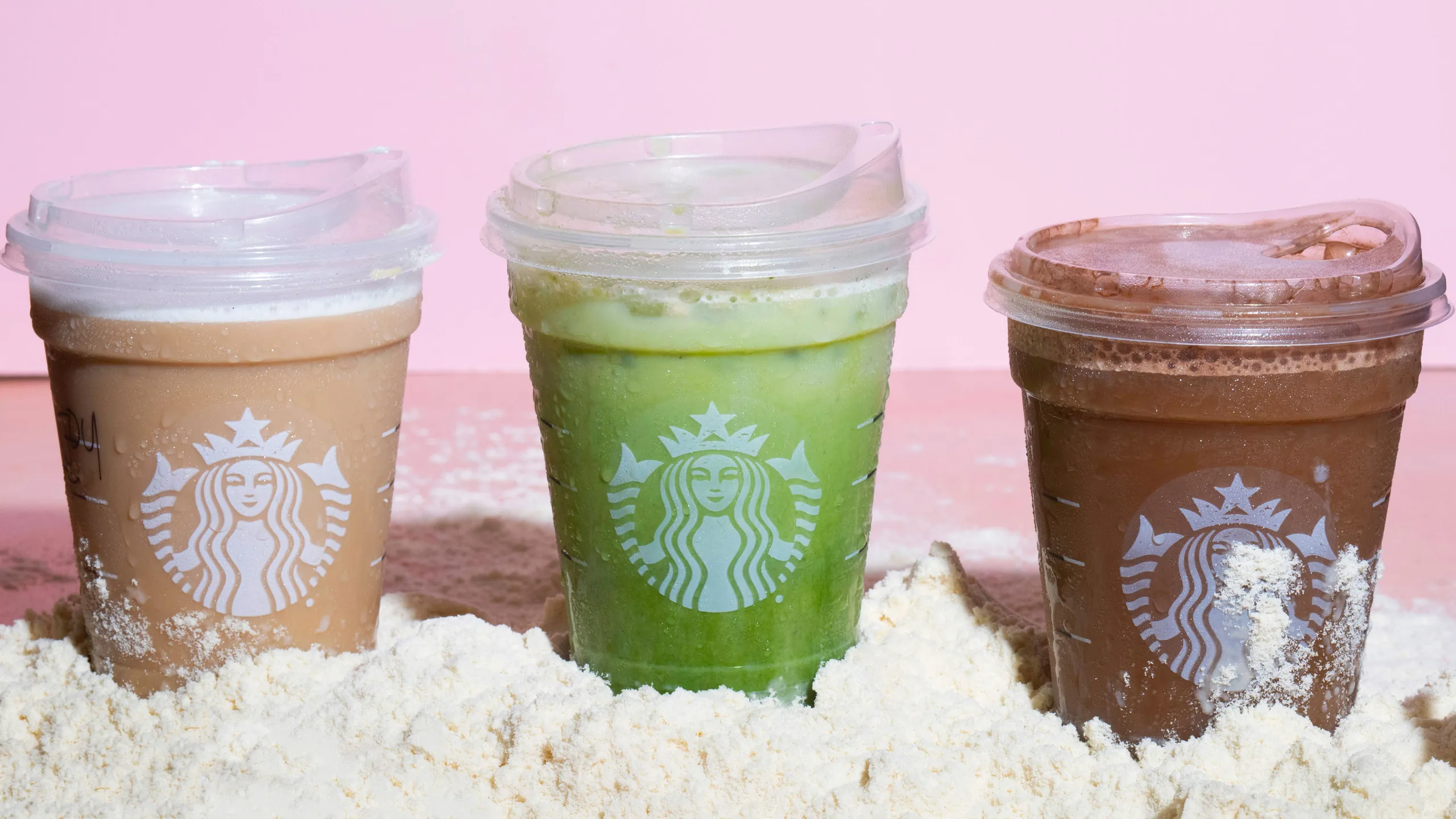
Functional Beverage Market growth continues attracting major food and beverage companies as consumers increasingly seek drinks offering additional health-related benefits. Companies are expanding their product portfolios with beverages containing protein, prebiotics, botanicals, vitamins, and other functional ingredients to meet changing customer preferences.
The global market for functional beverages has grown into a significant business opportunity. Consumers increasingly choose products that combine refreshment with ingredients designed to support everyday wellness goals. Consequently, beverage manufacturers continue investing in new product development across multiple categories.
Health-conscious millennials and Generation Z remain the primary drivers behind this growing trend. Many younger consumers prefer drinks that fit active lifestyles while supporting nutrition, energy, digestion, or mental well-being. Therefore, brands continue introducing products that address these changing expectations.
Consumer research also shows many shoppers willingly pay higher prices for beverages offering added nutritional value. Additionally, many consumers now replace traditional snacks with drinks that provide protein, vitamins, or other functional ingredients. This shift continues creating new opportunities throughout the beverage industry.
Coffee companies have responded by introducing protein-enhanced beverages across several markets. These products combine familiar coffee flavors with added protein, allowing customers to enjoy both convenience and nutritional support in one purchase. As a result, protein-based coffee options continue gaining popularity among regular coffee drinkers.
Major beverage companies have also expanded into prebiotic sodas and other wellness-focused drinks. Some businesses have introduced entirely new product lines, while others have strengthened their positions through strategic acquisitions. Consequently, competition continues increasing throughout the rapidly expanding beverage category.
Several companies now market premium wellness drinks containing ingredients such as magnesium, botanical extracts, adaptogens, and plant-based compounds. These beverages often target consumers interested in relaxation, focus, or general well-being. Furthermore, manufacturers position these products as lifestyle choices rather than traditional soft drinks.
Premium pricing has become another defining feature of this category. Functional beverages generally cost more than standard soft drinks because manufacturers use specialized ingredients and more complex production processes. Nevertheless, many consumers continue paying higher prices for products matching their health priorities.
Social media platforms have also accelerated demand among younger audiences. Many consumers discover new beverage trends through online creators, lifestyle content, and wellness communities. Therefore, brands increasingly use digital marketing strategies to reach health-conscious shoppers.
Some companies have built strong customer recognition by promoting wellness-focused lifestyles alongside their beverages. This marketing approach has helped transform functional drinks into products associated with modern health trends and personal routines. As a result, online engagement continues supporting category growth.
Despite rising demand, experts continue debating the effectiveness of certain functional ingredients. Nutrition specialists often encourage consumers to obtain essential nutrients through balanced diets whenever possible. Additionally, regulatory authorities continue monitoring health claims made by beverage manufacturers.
Some companies have faced regulatory action after advertising claims exceeded approved standards. These cases highlight the importance of ensuring health-related marketing accurately reflects scientific evidence. Consequently, manufacturers increasingly work with nutrition specialists, regulatory professionals, and product development experts before launching new beverages.
Functional Beverage Market expansion shows little sign of slowing as consumer preferences continue evolving. Companies across the food and beverage industry remain focused on innovation while introducing products designed for changing lifestyles. The Functional Beverage Market will likely remain an important area for future investment as demand for convenient wellness products continues growing.