
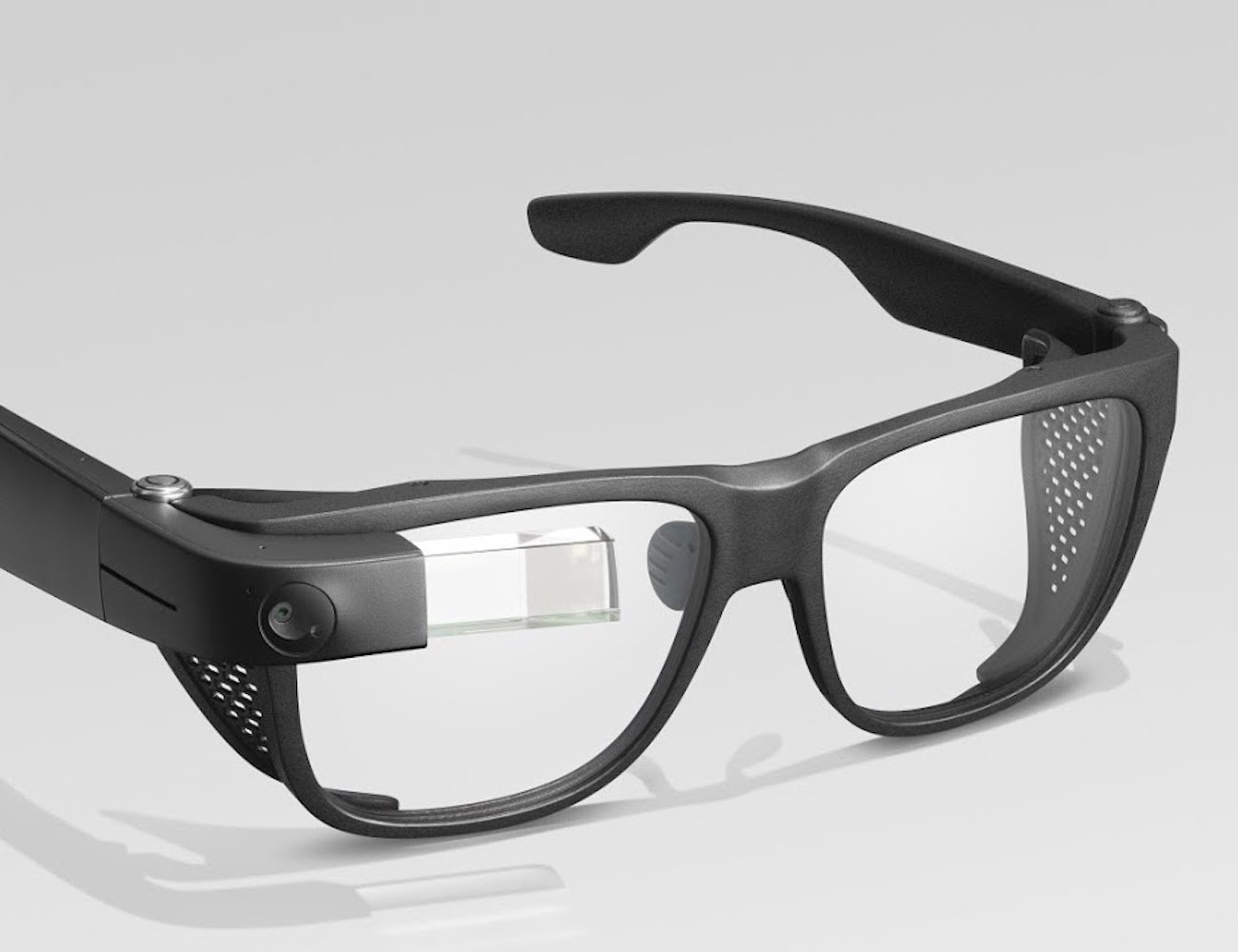
Meta has patented a smart-glasses system that could recognize people, analyze expressions, and automatically select memorable moments.
The proposed technology could use cameras, artificial intelligence, and personal information to determine who appears important. Moreover, the system could identify people surrounding the wearer and decide which scenes deserve attention.
The patent describes glasses that could recognize faces within the user’s field of view. For example, the system could identify friends or relatives during a social gathering and prioritize them.
Facial expressions could also influence the glasses’ recording decisions. If several people begin laughing, the system could recognize their reactions and adjust the camera accordingly.
Furthermore, the technology could use information about relationships to determine which individuals matter most. A user’s social connections could therefore influence how the glasses frame and capture different moments.
Eye movement could provide another signal for the system. When the wearer looks toward a person or object, the glasses could use that information when choosing where to focus.
The system could also apply automatic cropping and image stabilization to improve captured photos and videos. Consequently, the wearer could receive more polished recordings without manually controlling every camera adjustment.
In some examples, users would still need to provide a command before capturing images or video. However, the broader system could perform much of the preparation automatically before recording begins.
The proposed technology extends beyond simple photography and could create personalized collections of important moments. The glasses could connect newly captured content with stored memories from previous experiences.
For instance, the system could help someone remember where they previously met another person. It could search existing photos, posts, or videos associated with earlier encounters.
That capability could make personal memories easier to search and organize over time. However, it also raises questions about how much information the glasses could collect about other people.
Meta has previously explored facial recognition features for its smart-glasses ecosystem. Earlier software discoveries indicated that the company had investigated technology capable of identifying faces.
The company later removed that functionality from its consumer-facing software after concerns emerged about biometric identification. Nevertheless, the latest patent shows how facial recognition could potentially work with several additional AI capabilities.
The proposed system could combine facial recognition with expression analysis, relationship information, eye-gaze signals, and memory tools. Together, those technologies could give smart glasses significantly greater control over what users capture.
However, the technology also creates privacy concerns for people who appear in front of the cameras. Someone could become part of the system’s analysis without realizing that recognition technology had identified them.
That distinction becomes particularly important when the glasses automatically assess people before selecting what to record. A person might understand an obvious photograph, but automatic analysis creates a different privacy challenge.
Current smart glasses use visible indicators to show when their cameras record. However, people nearby may not know whether the system has already analyzed their faces.
Therefore, automatic recognition could make consent questions more complicated in social settings. Guests at dinners, meetings, or public gatherings may have little understanding of how the system processes their appearance.
The technology could eventually offer useful benefits for people who struggle to remember names or previous encounters. It could also help users organize personal photographs without manually sorting thousands of files.
Nevertheless, facial recognition remains one of the most sensitive features that technology companies can introduce into wearable devices. Combining that capability with automatic recording could increase scrutiny from privacy advocates and regulators.
A patent does not confirm that Meta will launch the described system as a consumer product. Companies regularly protect experimental concepts that never reach commercial devices.
Still, the filing provides insight into how Meta could develop future AI-powered eyewear. Facial recognition could become part of a broader system designed to understand people, environments, and personal memories.
The proposed technology could ultimately make smart glasses more useful for capturing important experiences. At the same time, it could intensify concerns about privacy, consent, and biometric data in everyday environments.
Facial recognition therefore remains central to the debate surrounding this technology. Meta’s patent demonstrates both the potential convenience and significant privacy questions surrounding increasingly intelligent wearable cameras.