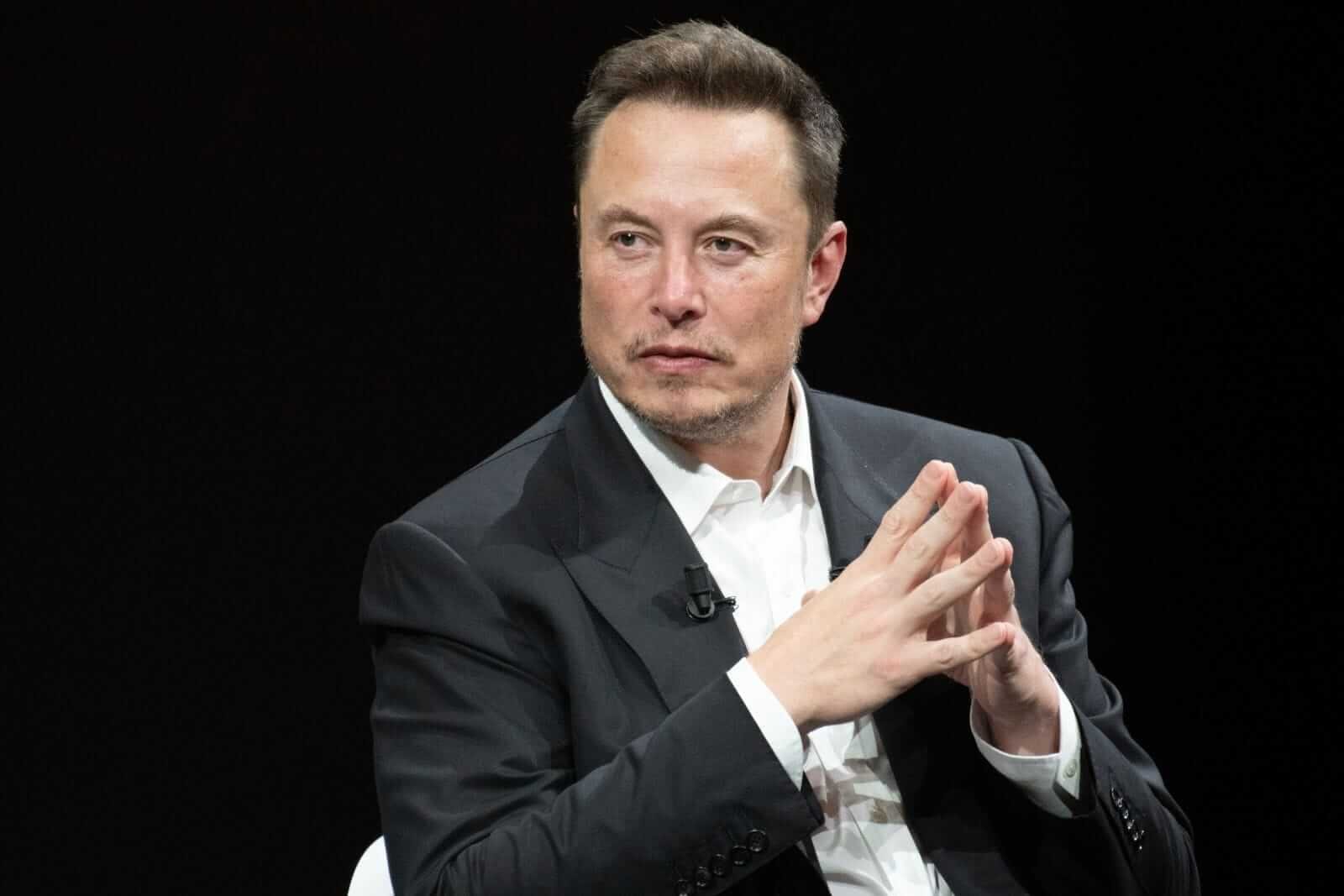
AI lawsuit trial begins as Elon Musk prepares to testify in a case challenging OpenAI’s structure and mission. The legal dispute focuses on whether the organization moved away from its original nonprofit goals and adopted a more commercial structure over time. The trial draws significant attention because it could reshape the artificial intelligence industry.
The AI lawsuit trial centers on claims that OpenAI changed its structure in ways that Musk says contradict its founding principles. He argues that early agreements and contributions supported a nonprofit mission focused on public benefit. A jury now reviews evidence and hears testimony from both sides.
Musk previously helped fund OpenAI during its early development stage before he later left the organization. After his departure, he founded a competing artificial intelligence company that now operates in the same sector. Since then, both sides have developed rival systems in a rapidly expanding AI market.
OpenAI introduced structural changes over time and created a for-profit subsidiary to support expansion. Company leadership says this shift allowed it to secure funding needed for large-scale AI research and development. Leaders also state that the organization continues to focus on safe and beneficial artificial intelligence.
Microsoft also appears in the case because of its investment and partnership with OpenAI. Legal arguments examine whether any agreements related to nonprofit commitments changed during structural transitions. Microsoft rejects the claims and says the case lacks a sufficient legal basis.
During jury selection, several potential jurors expressed strong opinions about Musk, while others remained neutral. The court selected jurors who reported balanced views on both Musk and artificial intelligence. The judge stressed fairness as proceedings move forward.
The AI lawsuit trial includes extensive evidence such as emails, messages, and internal communications between key figures. These documents show discussions about funding, governance, and long-term strategy. Some communications show collaboration, while others highlight disagreements over direction.
OpenAI argues that Musk also supported discussions around commercial structures during the early development phase. The organization says the lawsuit reflects disagreement over strategy rather than a breach of obligation. Musk, however, maintains that OpenAI changed its original mission.
The AI lawsuit trial reflects broader competition within the artificial intelligence industry. Both Musk and OpenAI continue to develop advanced systems that influence global technology markets. Analysts say the case could affect investor confidence and future company structures.
If Musk succeeds, the outcome could influence OpenAI’s planned public offering and organizational model. If OpenAI prevails, it may reinforce its current structure and business strategy. Either result could shape how future AI companies form and operate.
The AI lawsuit trial continues as jurors evaluate testimony and evidence from both parties. Legal experts say the case may set important precedents for artificial intelligence governance and corporate responsibility.