
The past month has brought a series of major natural disasters across several regions, causing widespread destruction and disruption. Earthquakes, floods, volcanic eruptions, hurricanes, wildfires and typhoons have affected communities across different continents. Meanwhile, extreme weather conditions have increased risks in several areas, while geological events have created additional dangers. Together, these incidents have caused deaths, injuries, evacuations, infrastructure damage and major disruptions to transportation.
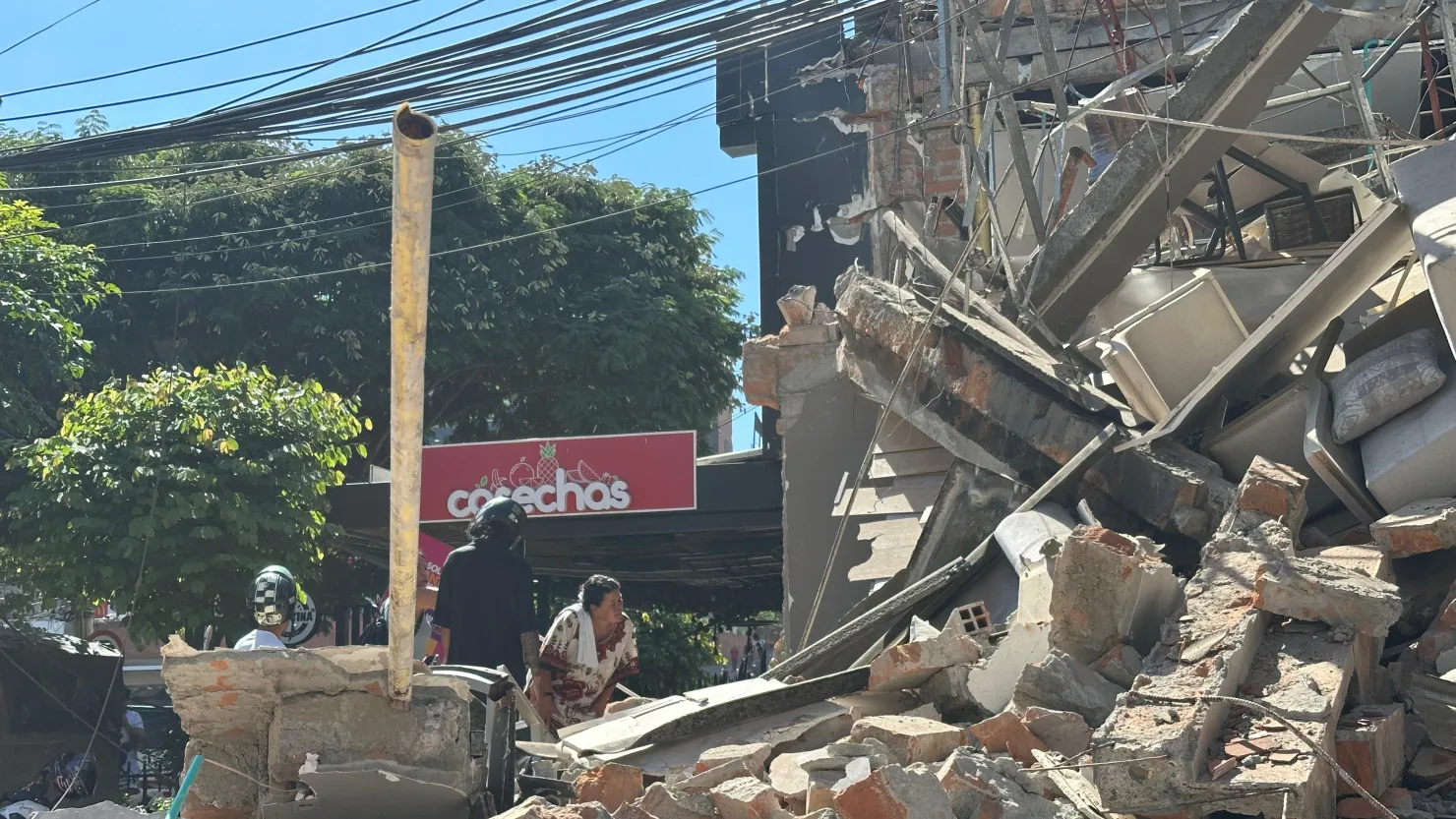
A powerful earthquake struck western Colombia on Aug. 10, causing extensive damage across several communities. The magnitude 7.4 earthquake affected the country’s coffee-growing region and damaged numerous buildings. Hundreds of people died, while thousands suffered injuries and others remained missing. Authorities also reported significant economic losses following the destruction of homes, infrastructure and commercial properties. Rescue teams continued searching damaged areas, while workers assessed buildings and demolished structures that posed additional safety risks.
Meanwhile, Nepal faced severe flooding after a major glacial collapse on Aug. 26. The collapse sent huge amounts of ice, rock and meltwater into surrounding valleys. As a result, powerful floods swept through communities and damaged roads, bridges and hydropower facilities. The disaster also affected areas near the Nepal-China border and created difficult conditions for rescue teams. Authorities evacuated vulnerable communities as search operations continued across areas affected by debris and floodwater.
Elsewhere, volcanic activity created serious travel disruptions across Indonesia. Mount Anak Krakatau began a prolonged eruption on Sept. 4, with activity continuing for roughly 25 hours. The eruption disrupted flight schedules and affected several airports across the region. Consequently, thousands of passengers faced cancellations and delays as authorities responded to changing volcanic conditions. Aviation officials monitored the situation closely while airlines adjusted operations around affected areas.
Hawaii also prepared for Hurricane Lowell as the storm approached the islands. Officials closed schools and government offices in Kauai and Niihau because of the expected conditions. Forecasters warned residents about strong winds, possible tornadoes and dangerous rip currents. Therefore, authorities urged communities to prepare for potentially hazardous weather and follow local safety instructions.
At the same time, wildfires continued affecting large areas of the United States and Canada. Firefighters worked to contain multiple blazes as dry conditions increased fire risks across several regions. Canadian authorities warned that wildfire danger could remain higher than normal across much of the country during September. However, conditions varied between provinces, with some areas facing lower risks than others.
China also faced significant weather-related disruption as Typhoon Saudel brought heavy rainfall to southeastern areas. Authorities evacuated hundreds of thousands of residents from locations vulnerable to flooding. Additionally, thousands of other people faced disruptions across several counties as torrential rain affected communities and transportation networks.
The Philippines experienced similar problems as southwest monsoon conditions brought heavy rainfall and flooding. Authorities warned that additional flash floods and landslides could occur as the weather system continued. Officials monitored affected communities while emergency teams prepared for further weather-related incidents. Overall, these Natural Disasters have demonstrated how quickly extreme weather and geological events can disrupt communities and essential infrastructure.
The continuing sequence of severe events has placed pressure on emergency services across multiple regions. Furthermore, damaged infrastructure, disrupted transportation and difficult rescue conditions have complicated recovery efforts. Governments and local authorities have therefore focused on evacuations, emergency response and infrastructure assessments. As conditions continue changing, affected communities remain focused on safety, recovery and rebuilding following the recent Natural Disasters.