
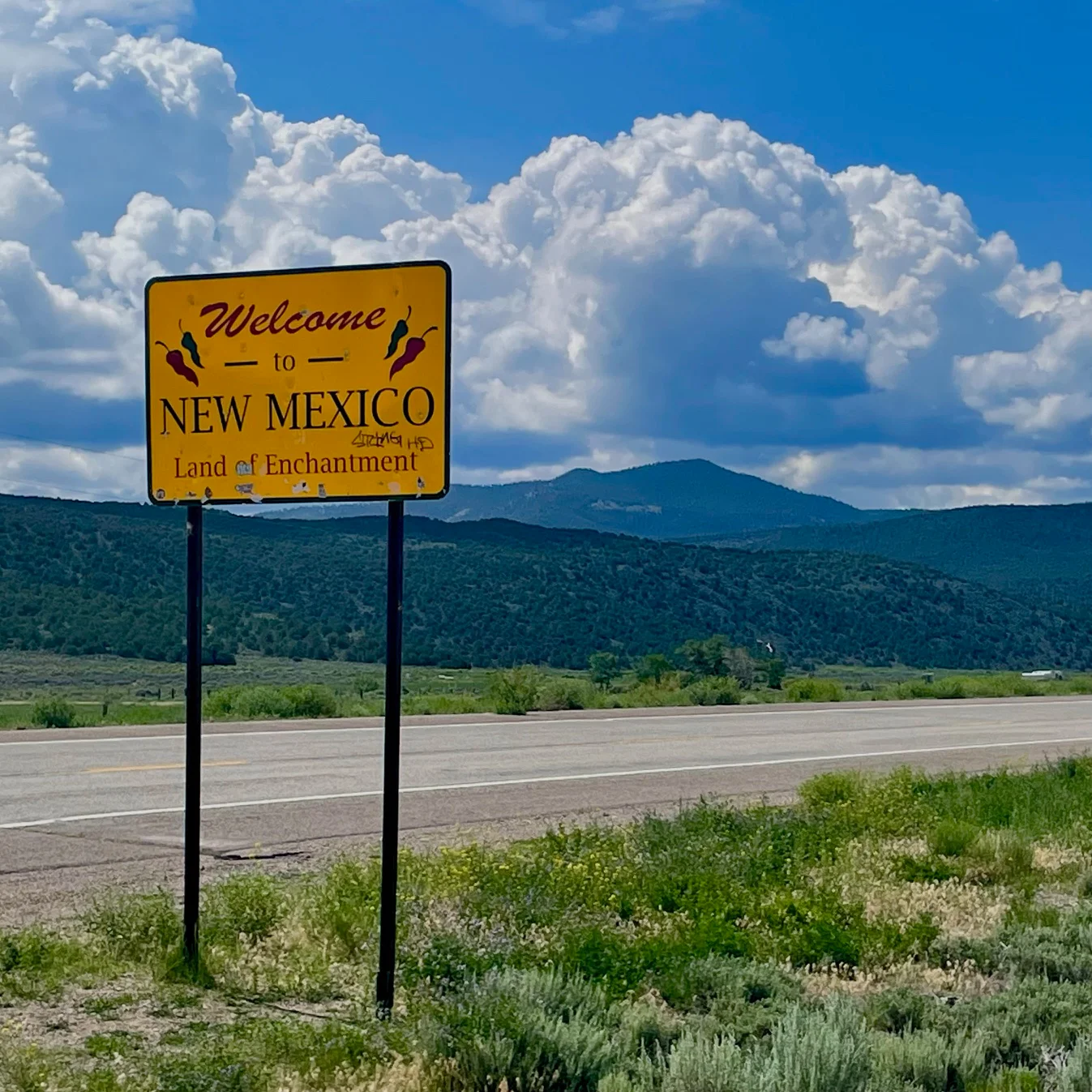
President Donald Trump has shared an altered map showing New Mexico with “America” replacing the word “Mexico.” The image presents the state as “New America,” although Trump provided no explanation accompanying the post. The White House has not announced any formal effort to rename the southwestern state. Nevertheless, the image has renewed attention on Trump’s broader interest in changing established geographic names through federal action.
The post shows the outline of New Mexico with the original name visibly altered. Trump shared the image on Monday without explaining whether he intended to make a serious proposal. As a result, it remains unclear whether the image represents a political statement, symbolic message, or possible future initiative. Meanwhile, federal officials have not announced a formal process seeking approval for any change to the state’s legal name.
The latest development follows several actions involving geographic names during Trump’s second presidential term. In January 2025, Trump directed federal agencies to use “Gulf of America” instead of “Gulf of Mexico” in federal references. The administration later adopted the revised terminology within federal systems and communications. However, the change did not automatically alter how governments and institutions outside the United States refer to the body of water.
Trump has also pursued a separate change involving Lake Ontario. In August, he signed an order directing federal agencies to use the name “Lake America” in relevant government references. That decision came during a period of heightened trade tensions between the United States and Canada. Consequently, the naming issue became connected with broader discussions involving American sovereignty, diplomacy, and relations with neighboring countries.
The latest New America image differs from those previous actions because states have greater authority over their own names. A president cannot simply rename a state through an executive order without following the appropriate constitutional and legal processes. Therefore, Trump’s social media post does not itself change New Mexico’s official name. Any formal renaming effort would require action through established state and federal procedures.
The history of New Mexico also gives the name considerable cultural and historical importance. The name dates back centuries and reflects the region’s history under Spanish and Mexican rule. New Mexico later became part of the United States following the Mexican-American War and the 1848 Treaty of Guadalupe Hidalgo. The territory eventually became a state in 1912 while retaining the historical name associated with the region.
Because of that history, the idea of replacing “Mexico” with “America” carries broader significance. The proposed wording could remove a reference that connects the state with its long historical relationship to Mexico. At the same time, the image does not establish any official policy or legal proposal from the administration. For now, it remains a symbolic representation shared directly by the president.
New Mexico also has a large Hispanic and Latino population, making the state’s historical identity particularly relevant to local communities. Residents and officials may therefore view questions surrounding the state’s name through cultural, historical, and political perspectives. However, the available information does not indicate that Trump has formally asked state lawmakers to consider changing the name. The White House has also not described the image as part of an active legislative campaign.
Trump has repeatedly shown an interest in geographic naming during his presidency. Those efforts have included bodies of water and other locations with established names recognized internationally. Supporters may view such changes as expressions of American identity and national authority. Critics, however, have questioned whether changing long-standing geographic names represents an appropriate use of presidential attention.
The New America image adds another example to that continuing discussion. Unlike changes involving federal geographic databases, the image does not create a legal requirement for government agencies. Instead, it communicates an idea without outlining a specific plan for implementation. Consequently, the immediate practical effect remains limited while public attention focuses on the meaning behind Trump’s decision.
The name also reflects the complicated history between the United States and Mexico. New Mexico developed through centuries of Spanish and Mexican influence before joining the United States. Its current name therefore reflects a historical period that predates American statehood. Any serious effort to remove the Mexican reference would likely raise questions about history, cultural identity, and the relationship between the two countries.
Meanwhile, Trump’s previous geographic naming decisions have generated international reactions. Changes involving the Gulf of Mexico and Lake Ontario affected terms used in American government communications. However, those decisions did not guarantee that other countries, international organizations, or private institutions would adopt the same terminology. As a result, competing names can continue appearing across different countries and official contexts.
The latest post also demonstrates how social media can quickly introduce political ideas into national discussion. Trump did not provide a detailed explanation, policy proposal, or timeline for changing New Mexico’s name. Nevertheless, the altered map immediately attracted attention because of his previous efforts involving geographic names. The absence of additional details leaves open questions about whether the administration intends to pursue the idea further.
For now, New Mexico remains the state’s official legal name under existing law. The shared image has not changed government records or established any formal renaming process. Furthermore, no evidence in the provided information shows that state authorities have begun considering such a change. The situation therefore remains a political and symbolic discussion rather than an official alteration of the state’s name.
Trump’s continued focus on geographic names has become a recognizable element of his administration’s approach to national symbolism. His actions have repeatedly connected geographic terminology with broader themes involving American identity and presidential authority. At the same time, each proposed change can generate debate about history, diplomacy, and the limits of federal power.
The New America proposal remains uncertain, but the image has added another chapter to that debate. Trump has offered no detailed explanation for the altered map or indicated whether officials will pursue formal action. Therefore, any future steps would need to provide much greater clarity about the legal process and the administration’s intentions.
For now, the most important development remains the president’s decision to share the altered map publicly. The image presents New Mexico under a different label while leaving its legal status unchanged. Meanwhile, officials and the public can continue discussing the historical and political meaning attached to the state’s established name.
The episode illustrates how geographic names can become part of wider political conversations about national identity and government authority. Trump’s latest post does not change New Mexico’s legal name, but it has created another public discussion around American geography. Unless formal action follows, New Mexico will continue using its established name under state and federal law.

