
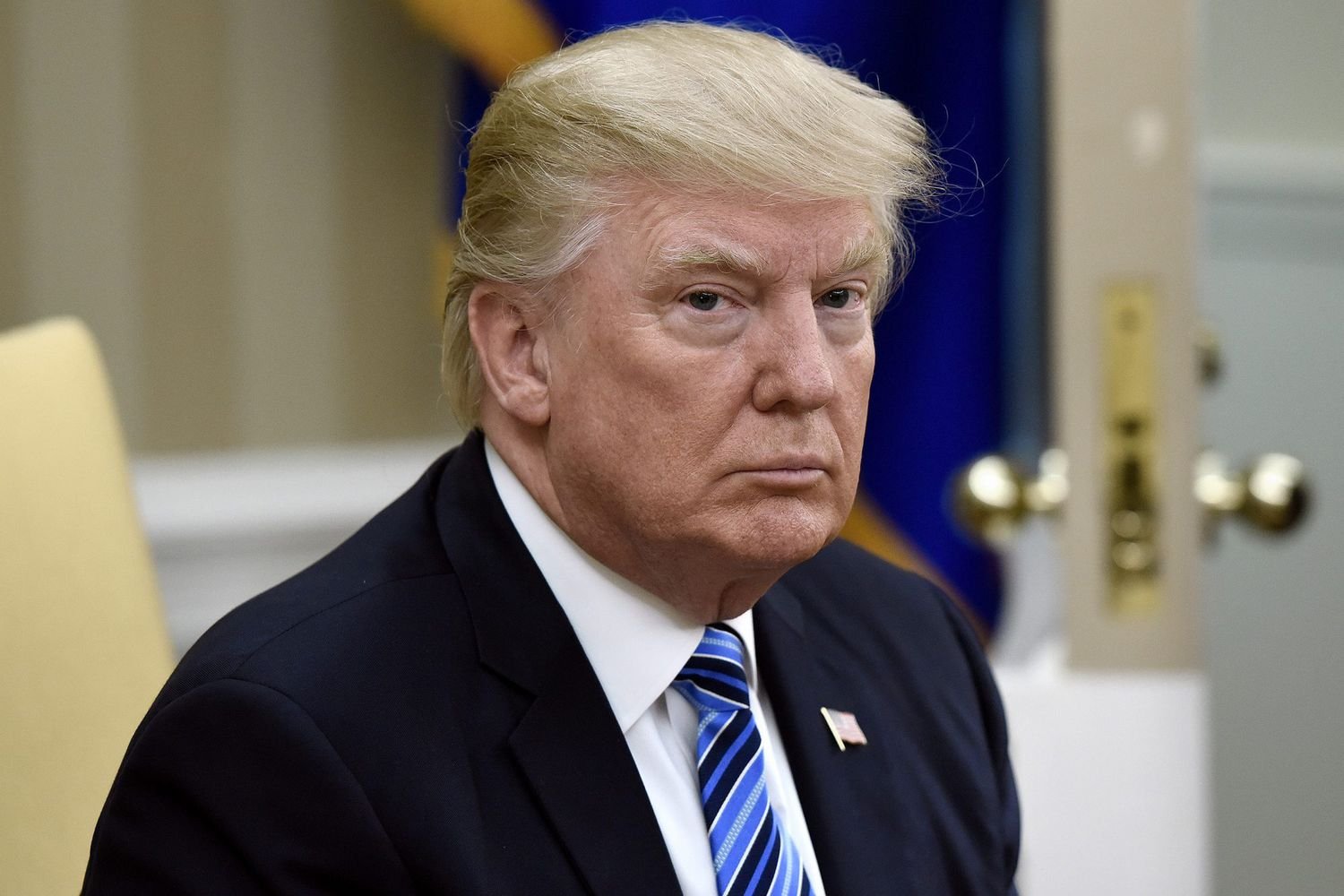
The Saudi Nuclear Deal has reached Congress for review as President Donald Trump advances a proposed civilian nuclear partnership. The agreement could strengthen Saudi Arabia’s nuclear energy capabilities while creating new opportunities for American companies. However, several political conditions could still determine whether the agreement ultimately takes effect.
The administration submitted the classified agreement to Congress on Monday, following requirements established under U.S. nuclear energy law. Several officials familiar with the submission confirmed the move while declining to discuss classified details publicly.
Congress now has 90 days while lawmakers remain in session to review the agreement. During that period, lawmakers can consider whether the proposed arrangement meets American security and foreign policy interests.
Unless Congress passes a joint resolution rejecting the agreement, the deal could take effect without another congressional vote. Therefore, the review period gives lawmakers an important opportunity to examine its potential consequences.
The agreement follows a signing ceremony last month involving American and Saudi energy officials. Since then, however, Trump has added another condition that could complicate the agreement’s future.
Trump has said Saudi Arabia must establish diplomatic relations with Israel through the Abraham Accords. Consequently, the nuclear agreement now faces a broader Middle Eastern diplomatic challenge.
Saudi officials reportedly reacted with surprise after Trump connected the nuclear partnership with normalization. Meanwhile, Saudi Arabia has maintained that Palestinian statehood should form part of any normalization agreement.
That position creates another obstacle because Israeli Prime Minister Benjamin Netanyahu has opposed Palestinian statehood. As a result, negotiations involving the nuclear agreement could become closely linked with wider regional diplomacy.
The Saudi Nuclear Deal has also attracted concerns from some members of Congress. Several lawmakers worry that expanded nuclear cooperation could eventually support Saudi ambitions to develop domestic uranium enrichment capabilities.
Those concerns focus on the possibility of increased nuclear competition across the Middle East. However, supporters argue that civilian nuclear cooperation could strengthen energy development and deepen strategic ties between Washington and Riyadh.
The proposed agreement could remain in effect for 30 years if it receives approval. Additionally, American companies could participate in developing Saudi Arabia’s civilian nuclear infrastructure.
A joint study between the United States and Saudi Arabia helped establish the foundation for the planned cooperation. The project therefore could create commercial opportunities for U.S. businesses alongside broader diplomatic benefits.
Nevertheless, the classified nature of the agreement has attracted additional attention from lawmakers. Previous civilian nuclear agreements generally included public documents, although some arrangements contained confidential sections.
The Saudi government has not publicly provided detailed comments about the congressional submission. Consequently, lawmakers may need to examine the classified material before determining their positions.
The Saudi Nuclear Deal now enters a critical review period in Washington. Its future will likely depend on congressional concerns, Saudi-Israeli diplomacy, and nuclear security safeguards.
For Trump, the agreement represents both an energy partnership and a potential diplomatic initiative. However, the additional normalization requirement could determine whether the proposed cooperation ultimately moves forward.