
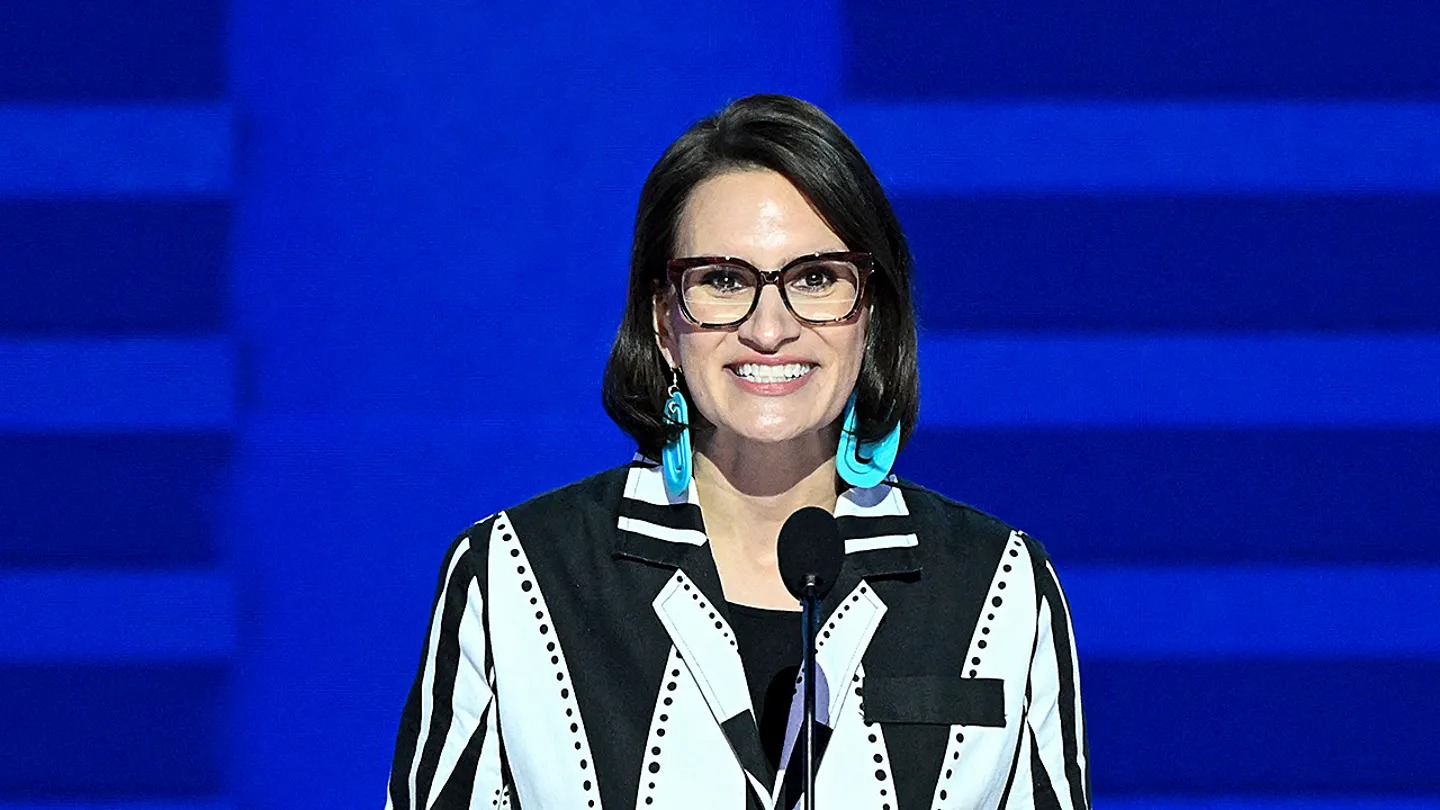
Flanagan Victory has reshaped Minnesota’s Senate race after Lt. Gov. Peggy Flanagan defeated moderate Rep. Angie Craig. Flanagan secured the Democratic nomination while drawing strong support from prominent progressive leaders nationwide. Her victory also represents another setback for Democratic leaders who supported Craig during the primary. Now, Flanagan will prepare for a general election that Republicans increasingly view as competitive.
During her victory speech, Flanagan sharply criticized President Donald Trump’s immigration enforcement policies. She called for major changes to Immigration and Customs Enforcement and promised aggressive action. Flanagan also argued that the country needs comprehensive immigration reform and stronger border security. At the same time, she promoted a pathway toward citizenship for eligible immigrants.
Her comments followed two deadly shootings involving federal immigration enforcement officers in Minnesota. Those incidents became major issues during the Democratic primary campaign. Flanagan repeatedly criticized ICE while presenting herself as a stronger progressive alternative. Meanwhile, Craig highlighted her own record and emphasized positions designed to appeal to moderate Democratic voters.
Flanagan entered the contest with support from several influential progressive figures. Sen. Bernie Sanders endorsed her campaign, while Rep. Ilhan Omar also backed her candidacy. Retiring Sen. Tina Smith supported Flanagan as well, adding further momentum to the progressive campaign. However, Sen. Amy Klobuchar, who seeks the Democratic nomination for governor, did not endorse either candidate.
Craig represented the Democratic establishment’s preferred option during the primary. Senate Minority Leader Chuck Schumer supported her campaign as Democrats attempted to preserve a more moderate path. Nevertheless, Flanagan built a coalition around progressive priorities and defeated Craig decisively. Her Flanagan Victory now gives the party’s left flank another prominent candidate for the November election.
Flanagan has previously supported Medicare for All and opposed continued American military assistance to Israel. She also made immigration enforcement a central part of her campaign messaging. Those positions helped distinguish her from Craig and strengthened her appeal among progressive voters. However, Republicans now plan to use those same positions against her during the general election.
Republicans have already identified former sports broadcaster Michele Tafoya as their preferred Senate candidate. GOP leaders believe Tafoya could compete strongly against Flanagan in a traditionally Democratic state. Republicans also see an opportunity to connect Flanagan with controversies surrounding Minnesota’s recent fraud scandals. Flanagan served as Lt. Gov. Tim Walz’s running mate during those controversies.
The Republican strategy will likely focus on immigration, public safety, government spending, and Democratic leadership. Republicans also intend to portray Flanagan as part of the party’s increasingly progressive national movement. Meanwhile, Democrats will likely emphasize Minnesota’s long Democratic voting history and Flanagan’s experience in statewide office.
Campaign finances could become another major factor during the general election. Craig raised nearly $13 million during the campaign, according to federal filings. Flanagan raised somewhat less, with nearly $7 million reported during the same period. Consequently, her campaign may need additional fundraising support to compete with Republicans.
Flanagan Victory also follows another progressive primary success in neighboring Michigan. There, Abdul El-Sayed defeated moderate Democrat Haley Stevens in the Senate nomination contest. Together, the results have fueled a broader debate about the Democratic Party’s ideological direction. Republicans now argue that progressive nominees could make traditionally Democratic states more competitive.
Sen. Tim Scott has specifically identified Minnesota as a race Republicans believe they can win. He said Tafoya remains close to Flanagan in early polling measurements. However, the general election campaign has only begun, and both parties have months to define their candidates. Flanagan will now seek to consolidate Democratic voters while defending her progressive platform.
Ultimately, the Minnesota Senate race could become an important test of progressive strength. Republicans see Flanagan’s nomination as an opportunity to expand their electoral map. Democrats, meanwhile, will attempt to protect a Senate seat they have held for decades. The coming campaign will determine whether Flanagan can turn her primary success into a statewide victory.

