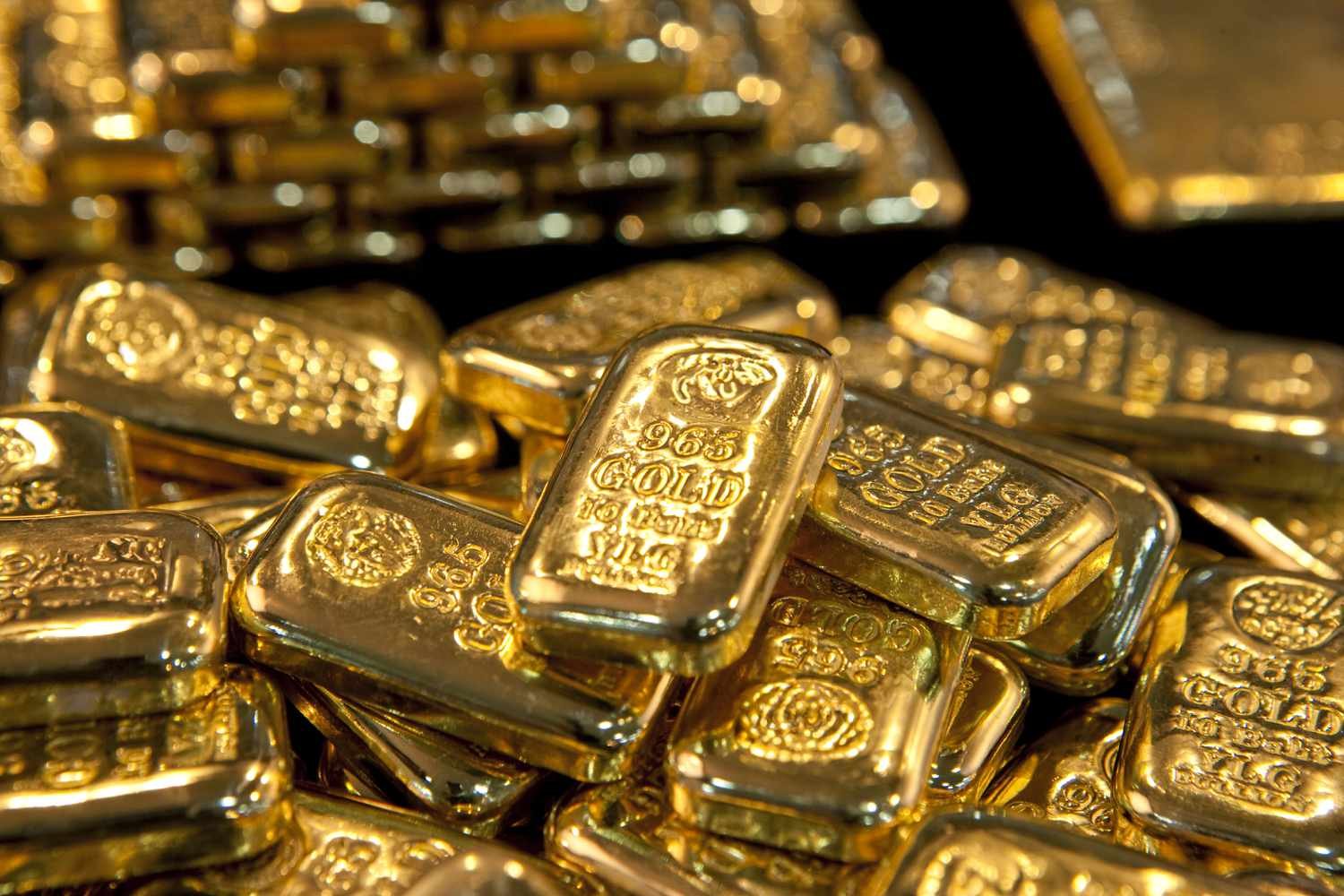
Gold Prices edged lower Monday after reaching a seven-week high during the previous trading session. Investors now await important U.S. inflation figures that could influence Federal Reserve policy expectations.
Spot gold declined about 0.2% to approximately $4,332.68 per ounce during Monday trading. Meanwhile, U.S. gold futures also slipped around 0.2% to roughly $4,391.60.
The recent pullback followed gold’s strongest level since mid-June. Prices gained after weaker U.S. employment figures reduced expectations for another Federal Reserve interest-rate increase.
However, the dollar strengthened slightly during Monday’s session, creating additional pressure on bullion prices. Gold typically becomes more expensive for international buyers when the U.S. currency appreciates.
Investors now focus heavily on upcoming consumer and producer inflation reports. The consumer price index will arrive Wednesday, while producer price figures will follow Thursday.
Those reports could provide fresh evidence about the Federal Reserve’s future interest-rate decisions. Consequently, traders remain cautious while assessing whether inflation continues slowing across the American economy.
Recent employment figures have already changed expectations surrounding monetary policy. U.S. employers unexpectedly reduced payrolls during July, while earlier employment gains received significant downward revisions.
As a result, financial markets reduced expectations for a September Federal Reserve rate increase. Current pricing suggests a lower probability than investors expected before the employment report.
Still, inflation remains an important consideration for policymakers. Higher prices could encourage the Federal Reserve to maintain restrictive interest rates for longer.
That environment could limit demand for gold because bullion does not provide regular interest payments. Therefore, investors often compare gold’s potential returns against yields available from interest-bearing assets.
Conversely, weaker inflation could reduce expectations for tighter monetary policy. Such a development could weaken the dollar while increasing demand for precious metals.
Analysts also continue monitoring developments around the Strait of Hormuz. Oil prices moved higher as investors considered ongoing uncertainty surrounding the strategic shipping route.
Iran has linked potential reopening discussions to several conditions involving the United States. Therefore, uncertainty around the waterway continues influencing energy markets and broader inflation expectations.
Higher energy prices could create additional inflation concerns for major economies. Consequently, investors may become more cautious about expecting rapid interest-rate reductions.
At the same time, geopolitical tensions can support demand for gold as investors seek defensive assets. However, currency movements and interest-rate expectations remain major short-term influences.
Gold Prices therefore face competing forces as markets approach several important economic and geopolitical developments. A stronger dollar can weigh on bullion, while weaker economic data can provide support.
The upcoming inflation reports could become especially important because they may confirm or challenge recent changes. If inflation remains elevated, traders could reduce expectations for easier monetary policy.
On the other hand, softer inflation could encourage investors to anticipate lower rates later this year. That scenario could weaken the dollar and provide additional support for precious metals.
Other precious metals showed mixed performance during Monday’s session. Silver increased around 0.6%, while platinum declined approximately 0.5%.
Palladium also moved lower, falling about 1.5% during the session. Those different performances highlight the varying market factors affecting individual precious metals.
For gold investors, however, U.S. monetary policy remains the central focus. The direction of inflation, employment, and interest-rate expectations could determine gold’s next major move.
Gold Prices could regain momentum if upcoming inflation figures strengthen expectations for lower interest rates. Nevertheless, stronger-than-expected inflation could support the dollar and create additional pressure on bullion.
For now, traders remain positioned cautiously after gold reached a notable seven-week peak. The next major move will likely depend on incoming economic data and changing Federal Reserve expectations.