
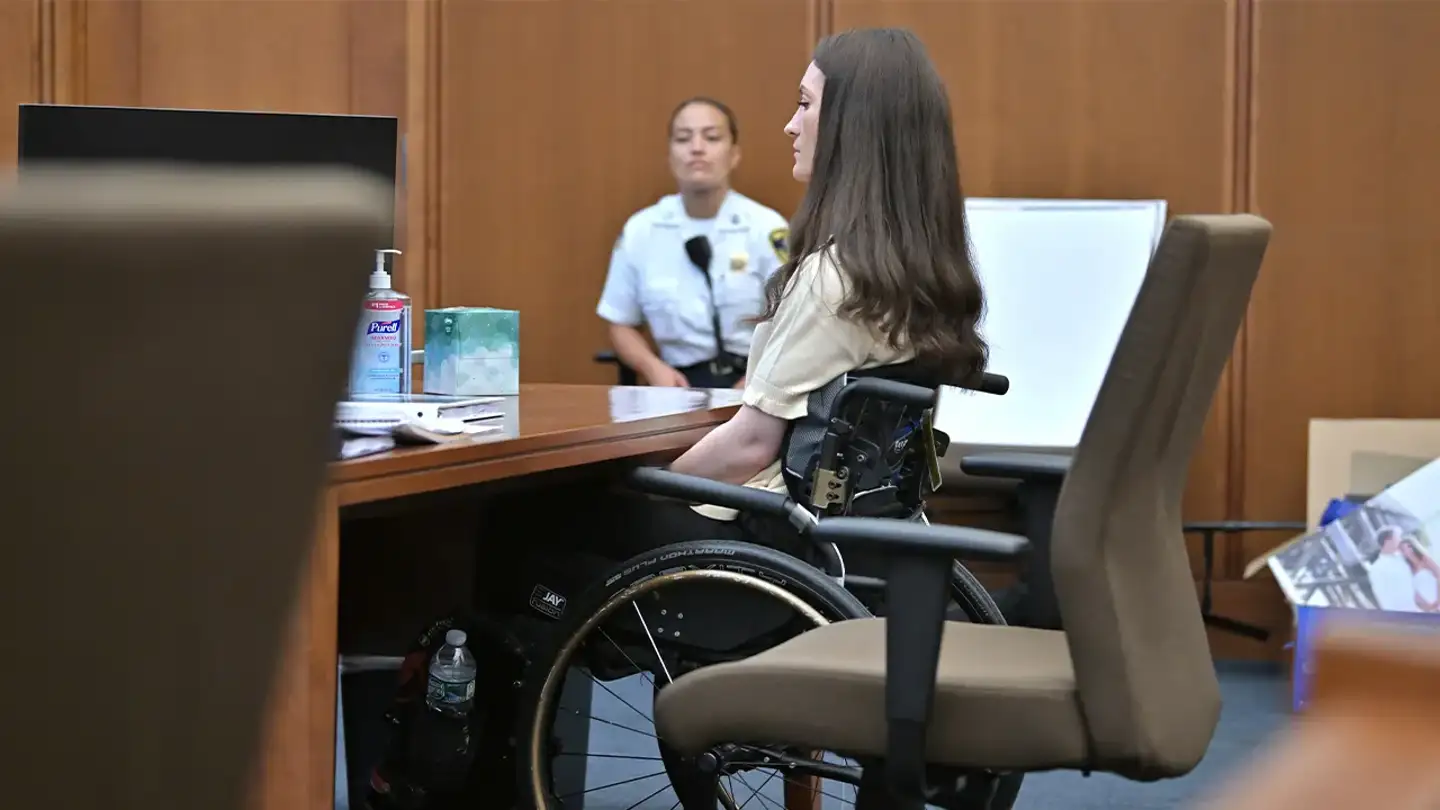
Jury View became an important part of the Lindsay Clancy murder trial as jurors examined locations connected to the prosecution’s timeline. Court officials supervised the visit to help jurors better understand testimony presented throughout the ongoing proceedings. Additionally, the panel observed several locations central to the investigation before returning to the courtroom for additional evidence. Legal experts explained that site visits frequently provide valuable context without favoring either side during criminal trials. Consequently, jurors gained a clearer understanding of distances, travel times, and physical surroundings related to the case.
The eighteen-member jury traveled along the same route followed by Patrick Clancy on January 24, 2023. Court officials transported jurors past a restaurant in Plymouth and a pharmacy located in nearby Kingston. Afterwards, jurors visited the former family residence in Duxbury under carefully supervised courtroom procedures and security arrangements. The group entered the property in smaller sections while court personnel maintained consistent oversight throughout the visit. Each portion of the inspection focused on helping jurors visualize testimony previously introduced during trial.
Jurors also examined the basement where investigators discovered the couple’s three children following the reported incident. Additionally, they observed the outdoor area beneath the second-floor window where Lindsay Clancy suffered severe injuries after falling. Medical evidence presented during earlier proceedings established that the injuries permanently left her dependent upon a wheelchair. Therefore, jurors viewed important physical locations directly connected to both prosecution evidence and defense arguments. The visit allowed them to compare witness descriptions with the property’s actual layout and surroundings.
A retired Massachusetts judge explained that courtroom-authorized property visits commonly occur during serious homicide prosecutions across the state. According to the former judge, these inspections help jurors better understand evidence instead of replacing testimony presented during trial. Furthermore, physical observations may assist jurors when evaluating witness statements concerning distances, movement, and timing between important locations. The judge emphasized that such procedures generally provide useful context rather than determining the outcome independently. Consequently, both prosecution and defense receive opportunities to reference the inspected locations during later arguments.
Legal observers believe one significant purpose involved evaluating Patrick Clancy’s trip away from the family’s residence before returning home. Jurors could personally observe the distance between the residence, restaurant, and pharmacy discussed throughout witness testimony. Consequently, they may better evaluate how much time Lindsay Clancy remained alone inside the residence. Prosecutors and defense attorneys have both addressed those travel periods during questioning presented throughout the trial. Therefore, firsthand observations could help jurors assess competing interpretations surrounding the sequence of events.
Despite the visit’s importance, legal experts cautioned against assuming the inspection automatically favored either party during trial proceedings. Instead, they described the experience as another evidentiary tool assisting jurors while considering testimony and documentary evidence together. Court-supervised property visits often complement witness accounts rather than introducing completely new information into criminal cases. Consequently, jurors must still rely upon all admitted evidence before reaching any conclusions regarding criminal responsibility. Judges routinely remind jurors that observations should remain consistent with courtroom instructions governing deliberations.
Observers compared the procedure with another widely followed Massachusetts criminal case involving a separate homicide prosecution. In that earlier proceeding, jurors also visited locations connected to disputed evidence before continuing courtroom testimony and arguments. Similar inspections allowed jurors to evaluate physical surroundings discussed repeatedly during witness examinations presented throughout the trial. However, legal experts stressed that every criminal prosecution involves unique facts requiring independent evaluation by each jury. Therefore, comparisons remain limited despite procedural similarities between the two courtroom proceedings.
Prosecutors contend Lindsay Clancy intentionally asked her husband to complete errands before carrying out the fatal attacks. According to the prosecution, those requests created an opportunity while Patrick Clancy remained away from the family residence. Consequently, travel times and distances represent important elements supporting the state’s overall theory presented during trial. Prosecutors continue presenting testimony intended to establish planning, timing, and deliberate conduct surrounding the tragic incident. Jurors will ultimately determine whether the evidence supports those allegations beyond reasonable doubt.
Meanwhile, defense attorneys acknowledge that Lindsay Clancy caused her children’s deaths but dispute her criminal responsibility under Massachusetts law. They argue she experienced severe postpartum psychosis that prevented meaningful understanding of her actions during the incident. Medical experts and treating physicians have presented testimony addressing her mental condition before and after the tragedy occurred. Consequently, the defense asks jurors to evaluate psychological evidence alongside physical evidence collected during the investigation. The Jury View now forms another part of the broader evidentiary record jurors will consider before reaching a final verdict, while the Jury View continues providing context for testimony and evidence throughout the closely watched proceedings.