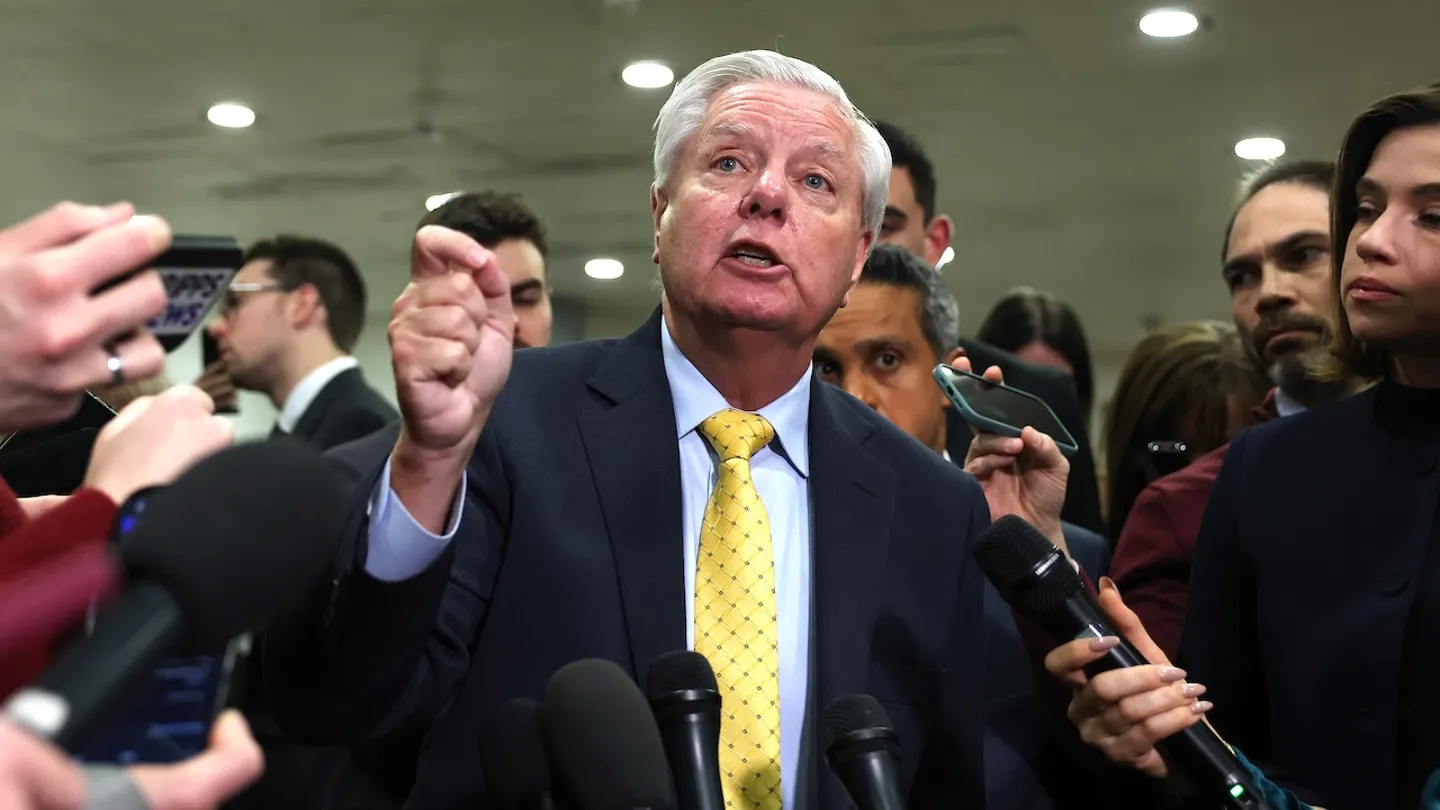
Senate Debate takes center stage as Republican candidates compete to succeed the late Sen. Lindsey Graham in South Carolina. Voters will receive their first major opportunity to compare leading contenders during a televised campaign event. Additionally, the debate arrives as candidates increase outreach through advertisements, public appearances, and direct voter engagement statewide. Political observers believe the event could significantly influence early impressions before the Republican primary election approaches. Consequently, several leading contenders hope strong performances will strengthen support among undecided Republican voters.
Nearly ten Republican candidates entered the special election following the vacancy created by Lindsey Graham’s passing. However, political analysts believe only a smaller group currently possesses realistic opportunities to secure the party nomination. That group includes appointed Senator Darline Graham, Representatives Ralph Norman and Russell Fry, alongside former Governor Mark Sanford. Each candidate enters the debate carrying different political experience, campaign strengths, and challenges before Republican primary voters. Therefore, the event represents an important opportunity to present qualifications directly before a statewide television audience.
Political consultants describe televised debates as valuable opportunities because candidates answer questions without relying solely on campaign advertising. Furthermore, voters often evaluate communication skills, policy knowledge, and leadership qualities during highly visible public discussions. Campaign mailers and digital advertisements already reach many households across South Carolina before the primary campaign intensifies further. Nevertheless, debates frequently provide voters with direct comparisons unavailable through traditional campaign messaging alone. Consequently, candidates understand every answer could influence public opinion throughout the remaining weeks before voting begins.
Darline Graham enters the contest after receiving an appointment to complete her late brother’s unfinished Senate term. Additionally, she secured support from President Donald Trump, providing an important endorsement during the competitive Republican primary campaign. Although she benefits from strong public recognition connected to her family’s political legacy, opponents emphasize their longer elected experience. Consequently, Graham must demonstrate her own leadership abilities while convincing voters she deserves a full Senate term independently. Her debate performance could help define that broader campaign message before primary ballots are cast.
Representative Ralph Norman also enters the race with considerable statewide political recognition developed through previous election campaigns. His experience in Congress and earlier gubernatorial campaign provides familiarity among many Republican voters across South Carolina. Furthermore, Norman consistently highlights his conservative legislative record while presenting himself as an experienced public servant. Political observers believe his established statewide profile gives him advantages entering the early stages of the campaign. However, he still must distinguish himself clearly from several experienced Republican competitors seeking identical conservative voters.
Former Governor Mark Sanford also brings extensive statewide recognition after decades of involvement in South Carolina politics. His previous service as governor and member of Congress provides voters with an established public record for evaluation. Additionally, Sanford remains one of the best-known political figures participating in the special Republican primary contest. Therefore, many analysts expect him to emphasize executive leadership experience throughout the televised debate and broader campaign. Even so, he faces strong competition from candidates promoting different visions for Republican leadership.
Representative Russell Fry enters the campaign with congressional experience but comparatively lower statewide recognition than several leading rivals. Although many Republican voters recognize his work representing the Seventh Congressional District, broader statewide familiarity remains limited. Consequently, political strategists believe Monday’s Senate Debate could become especially important for expanding his public profile quickly. A confident performance may introduce his priorities effectively while strengthening support among undecided Republican voters throughout South Carolina. Therefore, many observers consider Fry one of the candidates with the greatest opportunity during the debate.
Campaign observers believe televised discussions often reshape competitive races by highlighting communication abilities under challenging questioning and public scrutiny. Candidates must explain policy positions clearly while responding effectively to criticism from opponents and moderators throughout the event. Additionally, successful debate performances frequently generate stronger fundraising, increased media attention, and greater volunteer enthusiasm after broadcasts conclude. Therefore, every leading contender enters the stage understanding the debate could influence campaign momentum significantly. Republican voters will likely evaluate leadership qualities alongside policy proposals before making final primary decisions.
The Republican primary remains highly competitive because multiple experienced candidates seek the same influential Senate position. Each contender hopes to persuade conservative voters through campaign events, policy proposals, endorsements, and increasingly visible statewide outreach efforts. Meanwhile, political consultants expect debate performances to shape campaign narratives during the weeks immediately following the televised event. Consequently, candidates recognize that every response may affect voter confidence before early voting begins across South Carolina. The Senate Debate therefore represents an important milestone as Republicans compete to determine Lindsey Graham’s eventual successor.