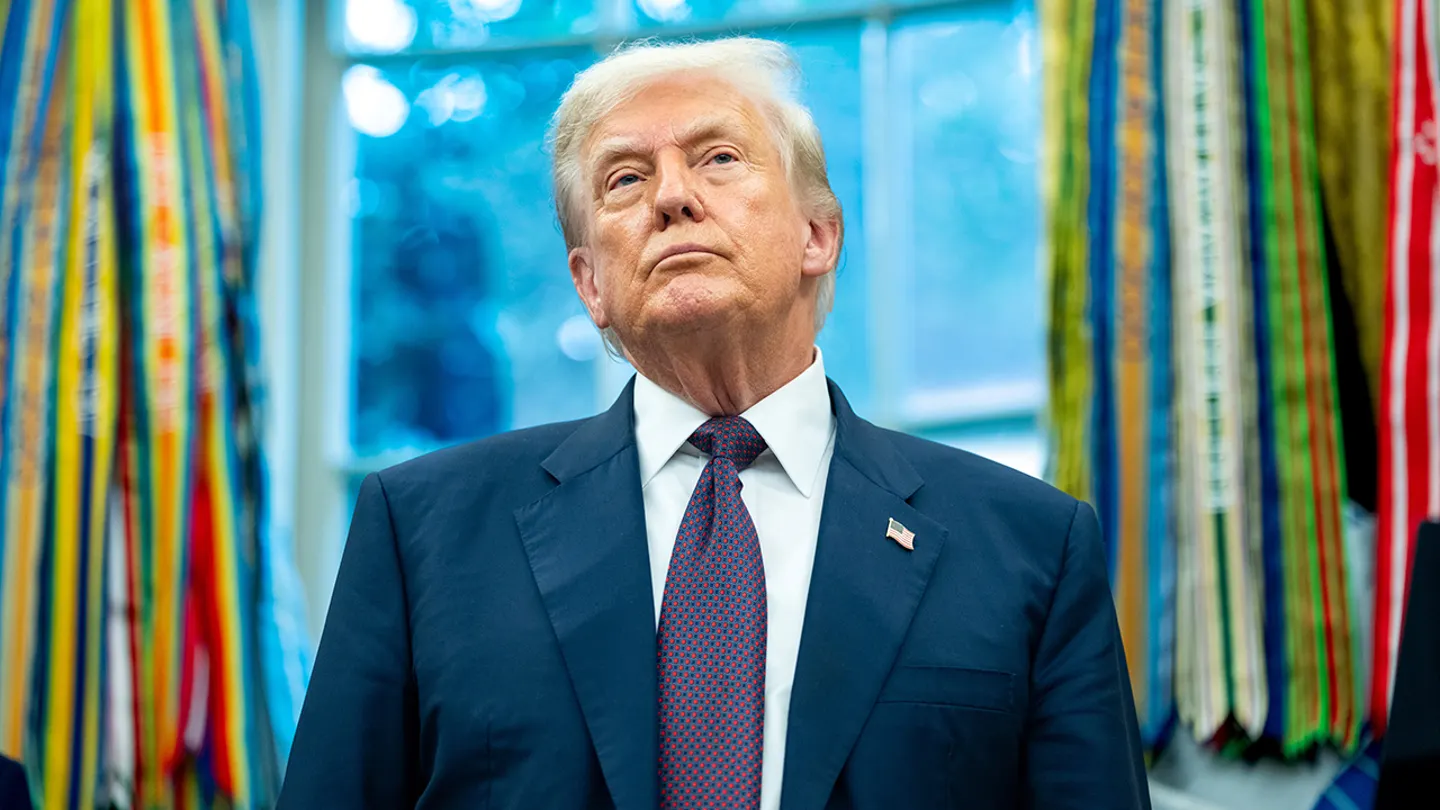
President Donald Trump has intensified efforts to advance the Trump SAVE Act as congressional leaders face growing pressure to act before the midterm elections. At the same time, the administration continues linking the legislation to several Republican priorities while urging lawmakers to move the proposal through the Senate despite significant procedural barriers.
The debate now extends beyond election policy and includes defense spending, housing legislation, Senate procedures, and Republican primary politics. As a result, the legislation has become one of the administration’s central legislative priorities during the current congressional session.
Earlier this week, Trump connected the proposal to a planned reconciliation package that seeks approximately $350 billion in additional defense funding. He argued in a social media post that Congress could quickly approve both measures together while strengthening national security and protecting future elections.
The SAVE America Act includes voter identification requirements and citizenship verification measures. Trump has promoted both policies for years and has repeatedly argued that stronger election safeguards remain necessary across the country.
However, the proposal continues facing significant obstacles in the Senate because Republicans currently lack enough votes to overcome a filibuster. Consequently, party leaders continue searching for a path that could advance the legislation.
Meanwhile, Trump delayed signing the bipartisan 21st Century ROAD Act of Housing in late June. Instead, he urged lawmakers to prioritize the SAVE America Act before completing work on the housing package.
The housing legislation had bipartisan support and proposed expanding the nation’s housing supply while lowering costs for buyers. In addition, the bill sought to prohibit large institutional investors from purchasing single-family homes, giving individual buyers greater opportunities.
Several lawmakers criticized Trump’s decision to postpone signing the housing measure. Senator Susan Collins questioned the move, while Senator Elizabeth Warren argued the administration delayed action at the last minute.
Nevertheless, the White House defended the president’s strategy. Press Secretary Abigail Jackson described the legislation as a leading administration priority and said it would strengthen election security. She also stated that Trump would continue advocating for the bill until Congress passes it.
Democratic lawmakers strongly oppose the legislation. They argue the proposal could create unnecessary obstacles for eligible voters and reduce voter participation.
Senate Minority Leader Chuck Schumer accused Trump of delaying bipartisan housing legislation to secure passage of the elections bill. Likewise, House Minority Leader Hakeem Jeffries criticized the proposal and described it as voter suppression legislation.
Additionally, the measure became part of the Texas Senate race involving Attorney General Ken Paxton and Senator John Cornyn. During his campaign, Paxton said he would consider ending his Senate campaign if Republican leadership removed the filibuster and approved the legislation.
Meanwhile, Cornyn declined to endorse the proposal, although he indicated he could reconsider his longstanding support for the filibuster. Trump later endorsed Paxton in the Republican primary contest.
Following the Supreme Court’s recent decision on birthright citizenship, Trump again highlighted the legislation as part of his broader immigration and election agenda. He argued that Congress could address related concerns through new legislation despite the court’s constitutional ruling.
Senate Majority Leader John Thune acknowledged Republicans currently lack the 60 votes required to overcome a Democratic filibuster. Even so, Trump continues encouraging Senate Republicans to consider changing chamber rules and passing the bill with a simple majority.
Furthermore, the president warned that delaying action could reduce the chances of approving the measure before November. Republican officials have also continued promoting the legislation during public appearances across the country.
Vice President JD Vance argued that voter identification requirements would strengthen confidence in American elections. He said election integrity measures would help reduce future concerns about election administration.
The Senate is scheduled to return from its Independence Day recess during the week of July 13. Until then, lawmakers are expected to continue negotiations as the Trump SAVE Act remains one of Congress’s most closely watched legislative proposals ahead of the midterm elections. The outcome of the Trump SAVE Act will likely depend on Senate procedure, bipartisan negotiations, and the willingness of lawmakers to reach sufficient support for final passage.