The upcoming birthright citizenship ruling has drawn national attention as the U.S. Supreme Court prepares to decide a major constitutional dispute. The birthright citizenship ruling will determine whether President Donald Trump’s January 2025 executive order limiting automatic citizenship for certain children born in the United States complies with the Constitution.
The Supreme Court is expected to release its decision on the final opinion day of its current term. The case, known as Trump v. Barbara, has become one of the court’s most closely watched legal disputes this year.
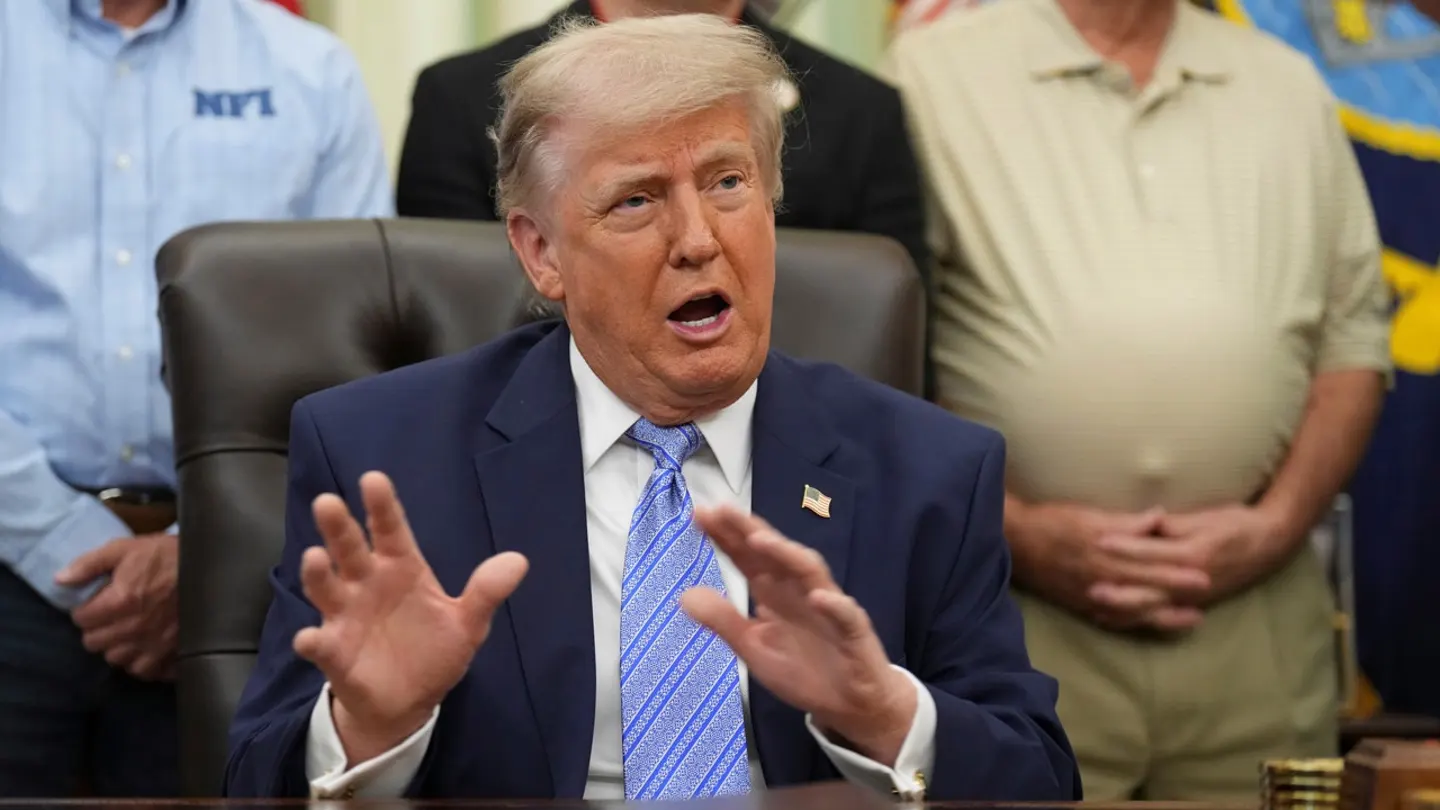
In May, Trump said he believed the court would likely rule against his administration. Speaking about the pending decision, he said he was dissatisfied with several recent Supreme Court rulings. He also referenced a recent tariff decision that he said would cost the United States $149 billion.
Trump personally attended oral arguments before the Supreme Court in April. The appearance marked the first known instance of a sitting U.S. president attending Supreme Court oral arguments. During the hearing, Chief Justice John Roberts and Justices Amy Coney Barrett and Ketanji Brown Jackson questioned whether the executive order complies with the Citizenship Clause of the Fourteenth Amendment.
Barrett raised concerns that verifying citizenship eligibility could create administrative difficulties. Jackson questioned how such enforcement could affect pregnant women during government investigations.
Trump later continued defending the executive order through public statements. In a June 11 social media post, he argued that birthright citizenship was economically unsustainable. He also wrote that no other major country follows the same approach. Earlier, he described the issue as one the country could not continue to accept.
The administration has argued that automatic birthright citizenship encourages illegal immigration. Officials have also said some foreign nationals participate in so-called birth tourism by traveling to the United States to give birth. According to the administration, those trips allow children to obtain U.S. citizenship under current constitutional interpretations.
Trump also argued that the Fourteenth Amendment originally addressed citizenship for the children of formerly enslaved people following the Civil War. He said allowing current interpretations of birthright citizenship to continue would create economic challenges for the country.
The case has generated significant public attention across the United States. Demonstrators gathered outside the Supreme Court while urging the justices to preserve birthright citizenship protections. Protesters argued that citizenship for children born in the United States represents a fundamental constitutional right.
Legal experts have also offered differing perspectives before the court issues its decision. University of California, Berkeley law professor John Yoo previously said he believes the Supreme Court will overturn the executive order. He also suggested that stricter visa enforcement and stronger action against businesses promoting birth tourism would better address the issue under current constitutional law.
The Supreme Court’s decision will determine whether Trump’s executive order can remain in effect or whether it conflicts with constitutional protections. The outcome could significantly affect future immigration policy and federal authority involving citizenship.
Recent polling also illustrates changing public opinion on the issue. A national survey found that 69 percent of voters support birthright citizenship for children born in the United States to parents who entered the country illegally. That figure increased from 45 percent when respondents answered the same question in 2006.
The birthright citizenship ruling is expected to clarify how the Citizenship Clause applies to modern immigration disputes. The decision will likely shape future legal challenges involving executive authority, constitutional interpretation, and citizenship policy in the United States.