
A series of Democratic Socialist primary victories has intensified debate within the Democratic Party. The Democratic Socialist primary victories have sparked new discussions about whether the party should preserve its broad coalition or draw clearer lines with its progressive wing.
Veteran Democratic strategist James Carville said the party should openly discuss the possibility of a split with Democratic Socialists of America-aligned candidates. Speaking on his podcast, he argued that some candidates associated with the organization no longer belonged within the Democratic Party. He also said he did not consider himself part of the same political movement.
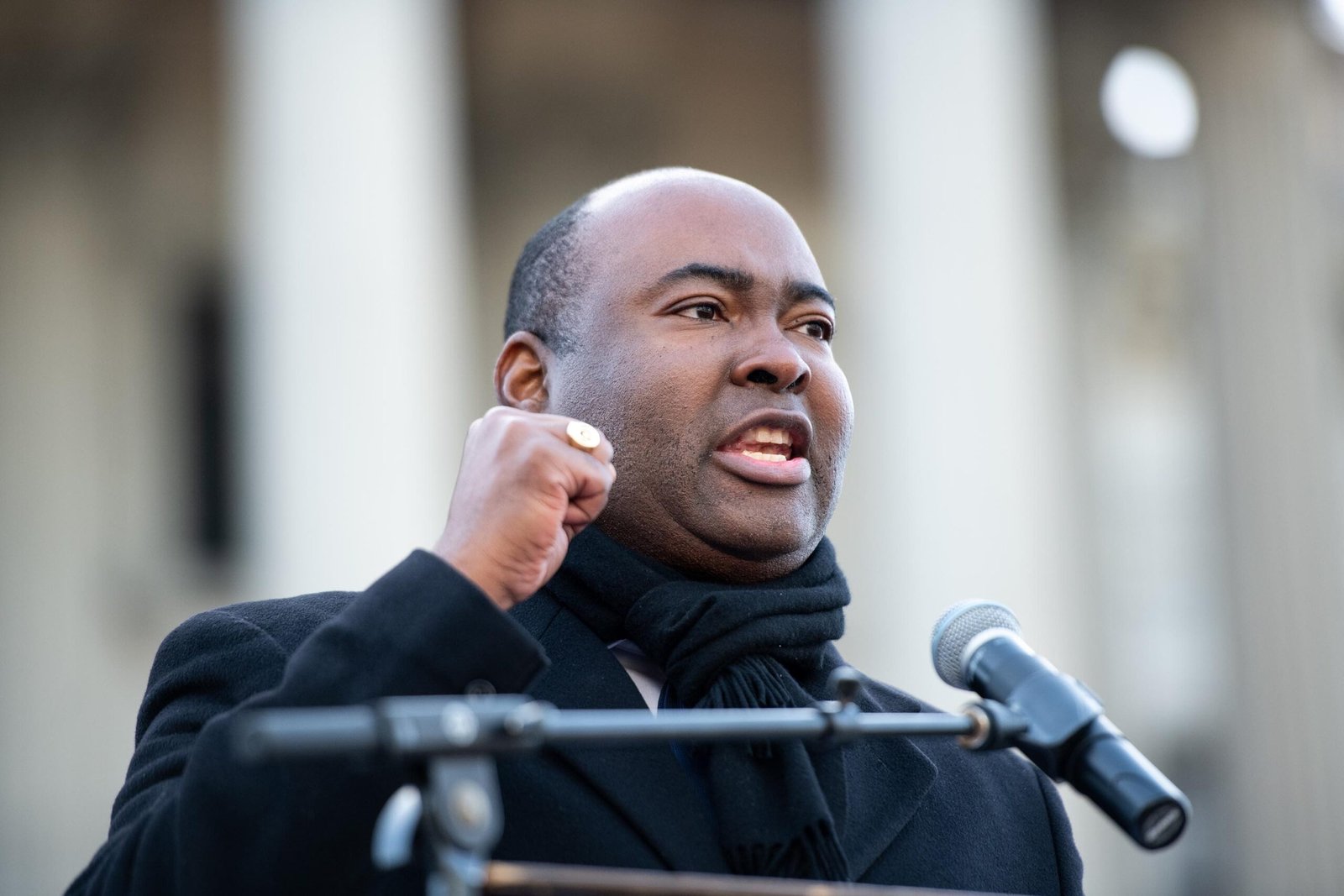
Former Democratic National Committee Chair Jaime Harrison also urged candidates to reconsider seeking Democratic nominations if they fundamentally oppose the party. In a social media post, Harrison said critics should instead build organizations that reflect their political beliefs. He added that they should not rely on Democratic resources, volunteers, or campaign infrastructure while criticizing the party.
The latest debate follows recent primary results in New York City, where Democratic Socialists of America-backed candidates continued a string of successful campaigns. Earlier this election cycle, progressive candidates also won primaries in Maine, New Jersey, California, and Philadelphia. Additional primary contests remain scheduled in the coming months.
According to an analysis cited in the report, Democratic Socialists of America endorsed about 150 candidates during this election cycle. Of those candidates, 35 either won their primary races or advanced without opposition. Those races took place in Oregon, California, Georgia, Pennsylvania, New York, and several other states.
Former Chicago Mayor Rahm Emanuel argued that the party’s socialist wing has focused its efforts on districts that already strongly support Democrats. He also said the broader party has shifted attention away from issues many voters consider mainstream priorities.
Former New York Governor David Paterson expressed concern about the party’s long-term electoral future. He warned Democratic leaders to respond to the changing political landscape before facing more serious political consequences.
Some House Democrats responded by supporting a newly launched centrist initiative after the recent primary outcomes. Members of the group argued that democratic socialist candidates should not become the public face of the Democratic Party. They described the initiative as an effort to reshape the party’s direction.
Polling data presented a more complex picture of Democratic voter sentiment. A March survey found that 49 percent of registered voters believed capitalism worked either “not very well” or “not at all.” That group included 72 percent of Democrats and 60 percent of independent voters.
Another poll found that Democratic Socialists of America held higher favorability ratings than sitting congressional Democrats among Democratic voters and Democratic-leaning independents. The findings suggested that some Democratic voters viewed the organization more favorably than current congressional leadership.
National polling has consistently identified affordability and the cost of living as leading voter concerns. Those issues frequently appear at the center of Democratic Socialist policy platforms. Surveys also showed that younger and more liberal Democrats generally support generational leadership changes within the party.
Democratic Socialists of America has already started planning beyond the upcoming midterm elections. National Co-Chair Megan Romer said the organization is sending surveys to all 250 local chapters this summer. Members will recommend who should represent the democratic socialist movement during the 2028 presidential election. National leaders expect responses by September 15.
Romer said the organization believes voters want candidates who offer clear policy alternatives. She said campaigns should present solutions instead of relying mainly on fear. She added that providing a positive alternative remains central to the group’s political strategy.
House Minority Leader Hakeem Jeffries responded differently from several other Democratic leaders. After Democratic Socialists of America supporters chanted “you’re next,” Jeffries shifted attention to President Donald Trump. He said Democrats should remain focused on addressing what he described as the country’s national challenges.
Days later, Jeffries publicly congratulated the successful nominees on social media. He praised public servants, union organizers, and community activists for their contributions. He also said Democrats must address the affordability crisis and oppose far-right extremism.
The Democratic Socialist primary victories continue to influence discussions about party identity, electoral strategy, and leadership priorities ahead of future elections.