
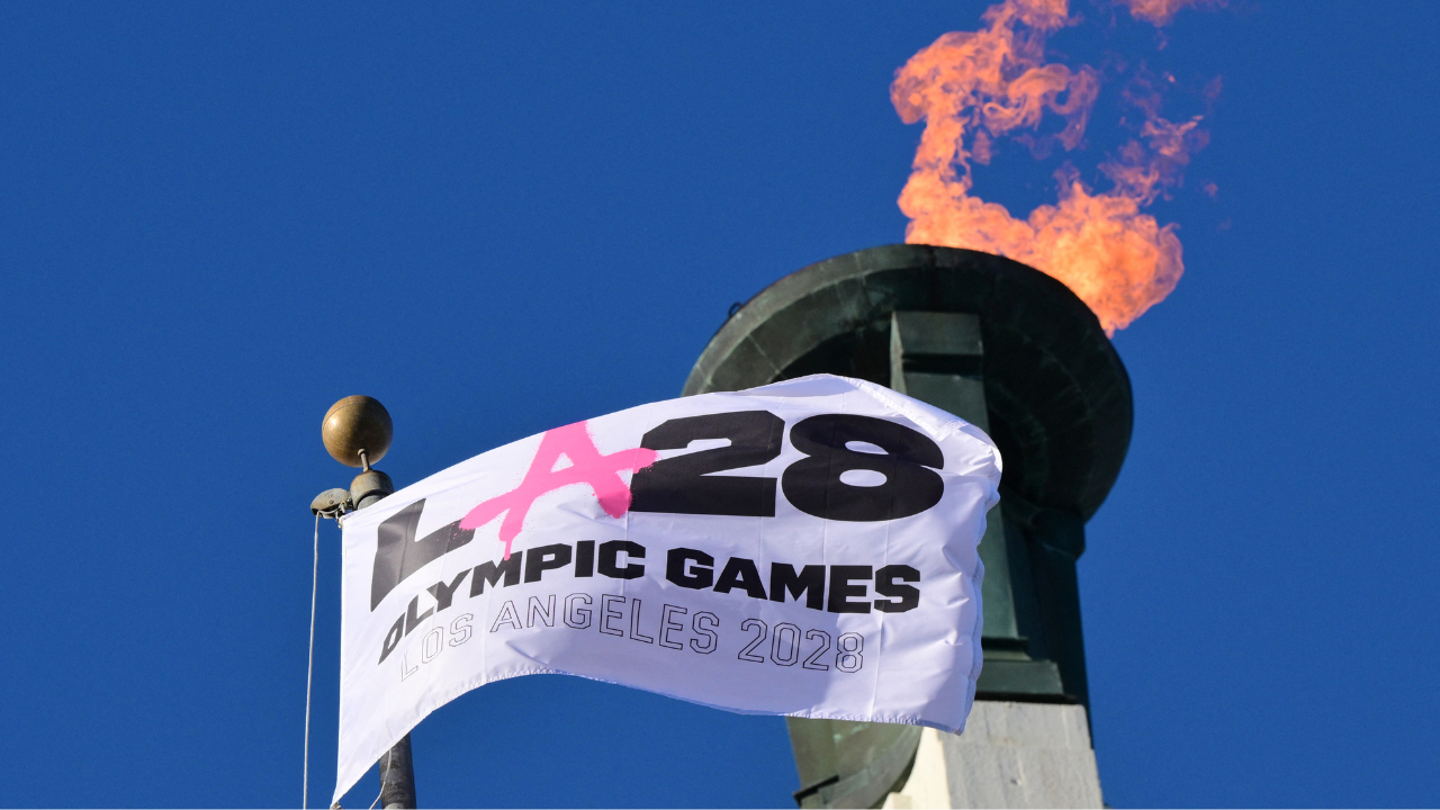
Olympic Wage Delay gives Los Angeles hotels and airport employers more time before a planned $30 hourly minimum wage takes full effect. City officials postponed the final implementation from 2028 to 2030 after industry representatives warned the proposal could trigger layoffs, slow hiring, and accelerate automation as major international events approach.
City leaders originally approved the wage measure to raise the minimum pay for hotel and airport workers to $30 an hour by 2028. They aligned the schedule with preparations for the Summer Olympics, when Los Angeles expects millions of visitors. However, officials later extended the deadline after labor cost concerns intensified before the 2026 FIFA World Cup and the 2028 Olympic Games.
Supporters argue the higher wage would help workers keep pace with Los Angeles’ high cost of living. Opponents contend the increase would place greater financial pressure on employers and reduce job opportunities across the hospitality industry.
Hotel operators raised concerns about the industry’s financial outlook, prompting city leaders to reconsider the original timeline. Industry representatives also cited data showing that some hotels had already begun struggling before the upcoming international events.
Hotel and airport workers currently earn a minimum wage of about $22.50 per hour. Under the original proposal, employers would increase wages by roughly one-third within several years. Many hotel operators warned they could not absorb those higher labor costs without changing staffing and business operations.
A report from the Los Angeles hotel industry found that some properties had already reduced hiring and staffing levels while preparing for the expected wage increase. Business leaders said rising labor costs had already influenced employment decisions before the policy took effect.
City officials ultimately voted to move the full $30 hourly requirement to 2030. The revised timeline gives employers additional time to prepare for the World Cup and the Olympic Games. Even with the extension, many industry representatives believe the higher wage requirement will continue creating financial challenges.
The debate also extends beyond Los Angeles. New York City officials are considering a separate proposal that would gradually increase the city’s minimum wage to $30 an hour over several years. That proposal reflects broader discussions about raising wage floors in high-cost areas.
Supporters believe hospitality employees deserve higher wages, especially as Los Angeles prepares to welcome millions of international visitors. Opponents argue businesses already face hiring challenges and rising operating expenses. They believe substantially higher labor costs could further reduce available jobs throughout the hospitality sector.
Research cited during the debate found that hotel hiring had already slowed before the proposed wage increase. Industry representatives argue another significant wage increase would worsen existing employment trends and place additional economic pressure on employers.
Olympic Wage Delay remains a central issue as Los Angeles balances worker pay, business costs, and economic growth before hosting several major international sporting events. City leaders will continue evaluating those competing priorities over the coming years. Both supporters and opponents are expected to remain engaged as Olympic Wage Delay moves toward its revised 2030 implementation.

