
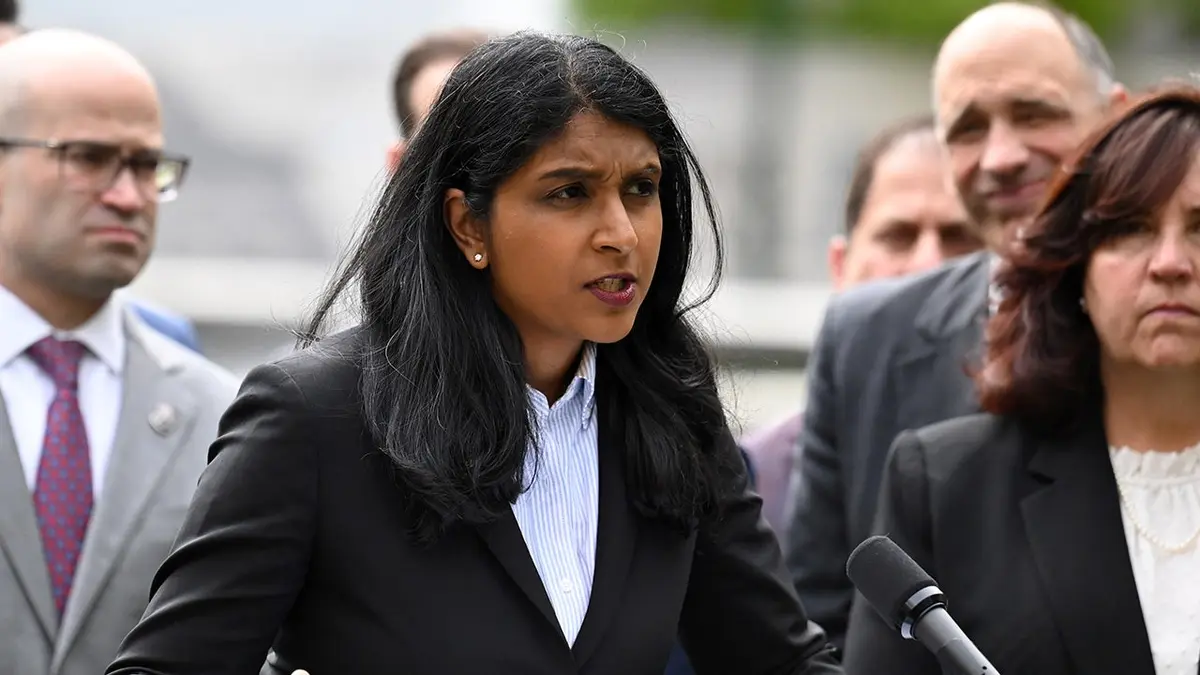
Medicaid Fraud Recoveries have become a central issue in New York’s attorney general race as Republican candidate Saritha Komatireddy criticizes Attorney General Letitia James over declining recoveries and prosecutions.
Komatireddy has made Medicaid enforcement a major focus of her campaign. She argues that New York has recovered significantly less money from Medicaid fraud since James took office. According to figures from the attorney general’s annual reports, recoveries declined from $168 million in 2019 to $31 million in 2024.
The issue has gained national attention following investigations into alleged fraud involving public assistance programs in Minnesota. Those investigations prompted the Trump administration to increase its focus on Medicaid fraud enforcement. Vice President JD Vance has led a federal initiative aimed at strengthening oversight and recovering taxpayer funds. Republican candidates in several states have since called for stronger fraud enforcement.
Komatireddy, a former federal prosecutor, said Medicaid fraud enforcement should not be viewed as a partisan issue. She argued that reduced recoveries represent a missed opportunity to return taxpayer money to the state. She also claimed previous Democratic attorneys general recovered substantially higher amounts through fraud investigations.
State records show former Attorney General Eliot Spitzer recovered $243.6 million through the Medicaid Fraud Control Unit in 2006. During Andrew Cuomo’s first three years as attorney general, the office recovered more than $660 million combined between 2007 and 2009. Former Attorney General Eric Schneiderman later recovered more than $335 million in 2012, marking one of the unit’s strongest annual performances.
Komatireddy also pointed to declining criminal prosecutions during James’ tenure. She said the office previously secured around 100 criminal convictions each year involving Medicaid fraud. She claimed those numbers have fallen sharply under the current administration, including one year with only eight convictions.
At the same time, spending on New York’s Medicaid Fraud Control Unit has increased. State spending reportedly rose from approximately $45 million during fiscal year 2020 to about $70 million in 2025.
The Medicaid Fraud Recoveries debate has also attracted attention from federal officials. Earlier this year, Centers for Medicare & Medicaid Services Administrator Dr. Mehmet Oz requested additional information from Governor Kathy Hochul regarding New York’s provider screening procedures and fraud prevention efforts. Federal officials said the review aims to protect Medicaid beneficiaries and strengthen public confidence in the program. New York was one of only three states to receive the request, alongside California and Minnesota.
Komatireddy argued that reduced fraud enforcement ultimately increases healthcare costs for taxpayers. She said money lost to fraud could otherwise support other government priorities or reduce financial pressure on state budgets.
As part of her campaign platform, Komatireddy pledged to strengthen the Medicaid Fraud Control Unit by adding 20 criminal prosecutors. She also highlighted her background as a federal prosecutor, including more than a decade with the U.S. Attorney’s Office for the Eastern District of New York. She later served as chief of staff at the Drug Enforcement Administration.
Komatireddy described the election as a choice between her law enforcement experience and the current administration’s record on fraud investigations. She argued that the attorney general’s office should prioritize prosecuting crime and recovering taxpayer funds.
The attorney general’s office did not immediately respond to requests for comment regarding Komatireddy’s campaign statements.
The Medicaid Fraud Recoveries issue is expected to remain a major topic throughout New York’s attorney general campaign as candidates debate enforcement priorities, public spending, and oversight of taxpayer-funded healthcare programs.

