
Washington, D.C., voters selected a Democratic nominee for the district’s nonvoting congressional seat on Tuesday. As a result, Robert White Jr. moved closer to becoming the district’s first new congressional representative since 1991.
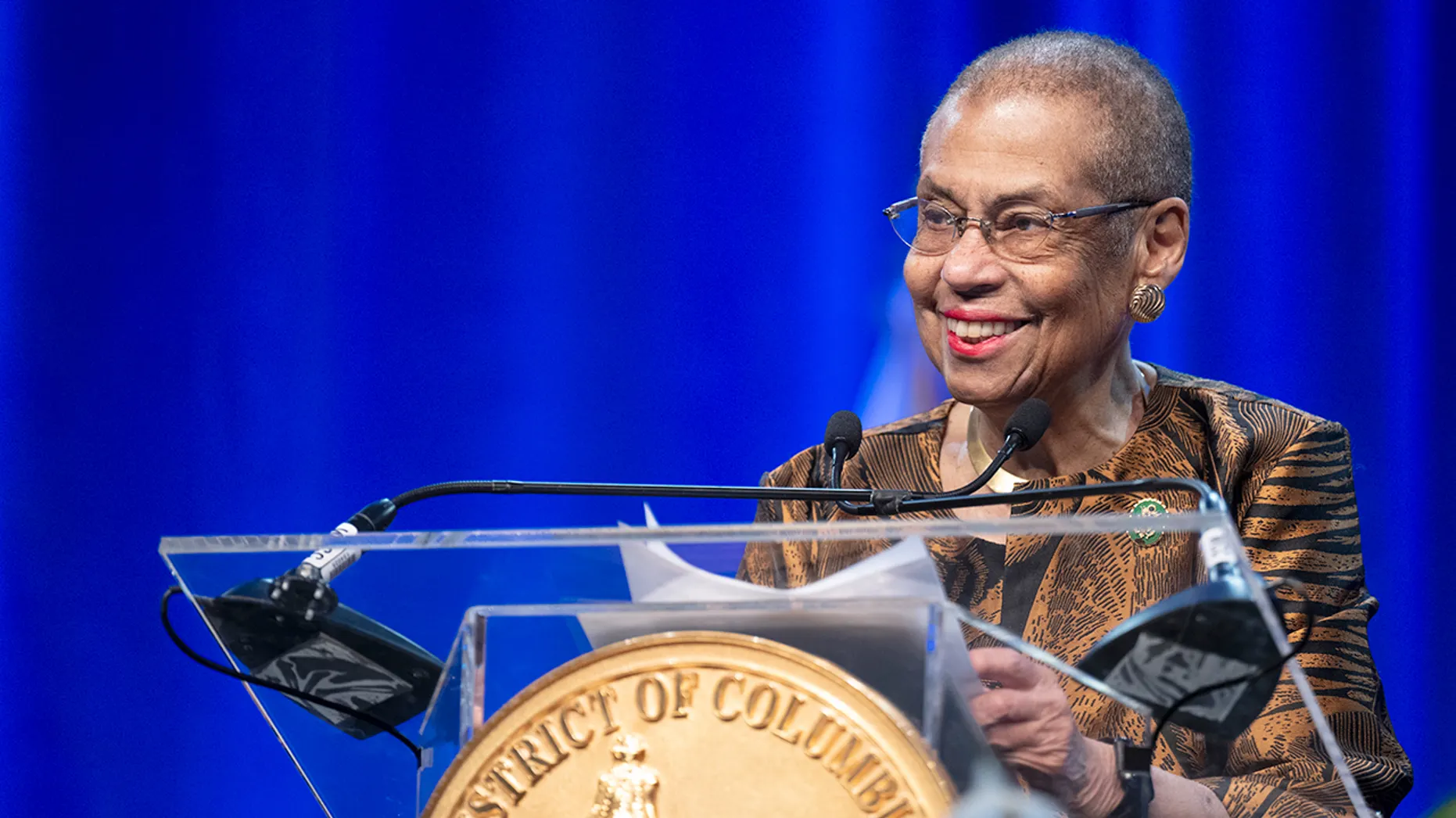
The outcome followed a rare open-seat contest after Eleanor Holmes Norton announced her retirement. Norton, 88, decided not to seek a nineteenth term after serving eighteen terms in Congress. Consequently, voters participated in the most significant race for the position in decades.
The Congressional Delegate Race attracted substantial attention because the office has remained under the same leadership for more than three decades. Furthermore, the contest occurred as the district continued discussions involving statehood, home rule, and federal authority over local affairs.
White currently serves as an at-large member of the District of Columbia Council. He has held that position since 2016. Before joining the council, he worked as a legislative counsel in Norton’s congressional office.
The Congressional Delegate Race also marked the district’s use of a ranked-choice voting system. Nevertheless, White secured enough support to win the Democratic nomination without prolonged uncertainty regarding the outcome.
The congressional delegate position allows the officeholder to introduce legislation, participate in committee work, and advocate for district interests. However, the role does not include the authority to cast final votes on the House floor.
White entered the contest after deciding against pursuing a potential mayoral campaign. Instead, he focused on representing the district in Congress. During the campaign, he argued that Washington required strong advocacy as federal oversight issues remained under discussion.
Meanwhile, Norton’s departure closes a lengthy congressional career that began more than three decades ago. She first won election in 1990 and assumed office in 1991. Throughout her tenure, she became closely associated with efforts involving statehood, local governance, and congressional representation.
For many residents, Norton served as the only congressional delegate they had known. Therefore, her retirement created a rare opportunity for new leadership and encouraged several candidates to seek the position.
The Congressional Delegate Race carried additional significance because the district rarely experiences open contests for the office. Consequently, candidates sought to present their qualifications while addressing issues affecting Washington residents and local government operations.
White will now advance to the general election scheduled for November. The Democratic nominee enters the next stage of the campaign in a city where Democratic candidates have historically performed strongly.
Republican candidate Denise Rosado is seeking the seat after running unopposed for her party’s nomination. Additionally, third-party candidate Kymone Freeman remains in the race for the nonvoting delegate position.
Voters will make their final decision during the November election. The winner will succeed Norton and assume responsibility for representing the district’s interests in Congress while continuing discussions on issues important to Washington residents.