
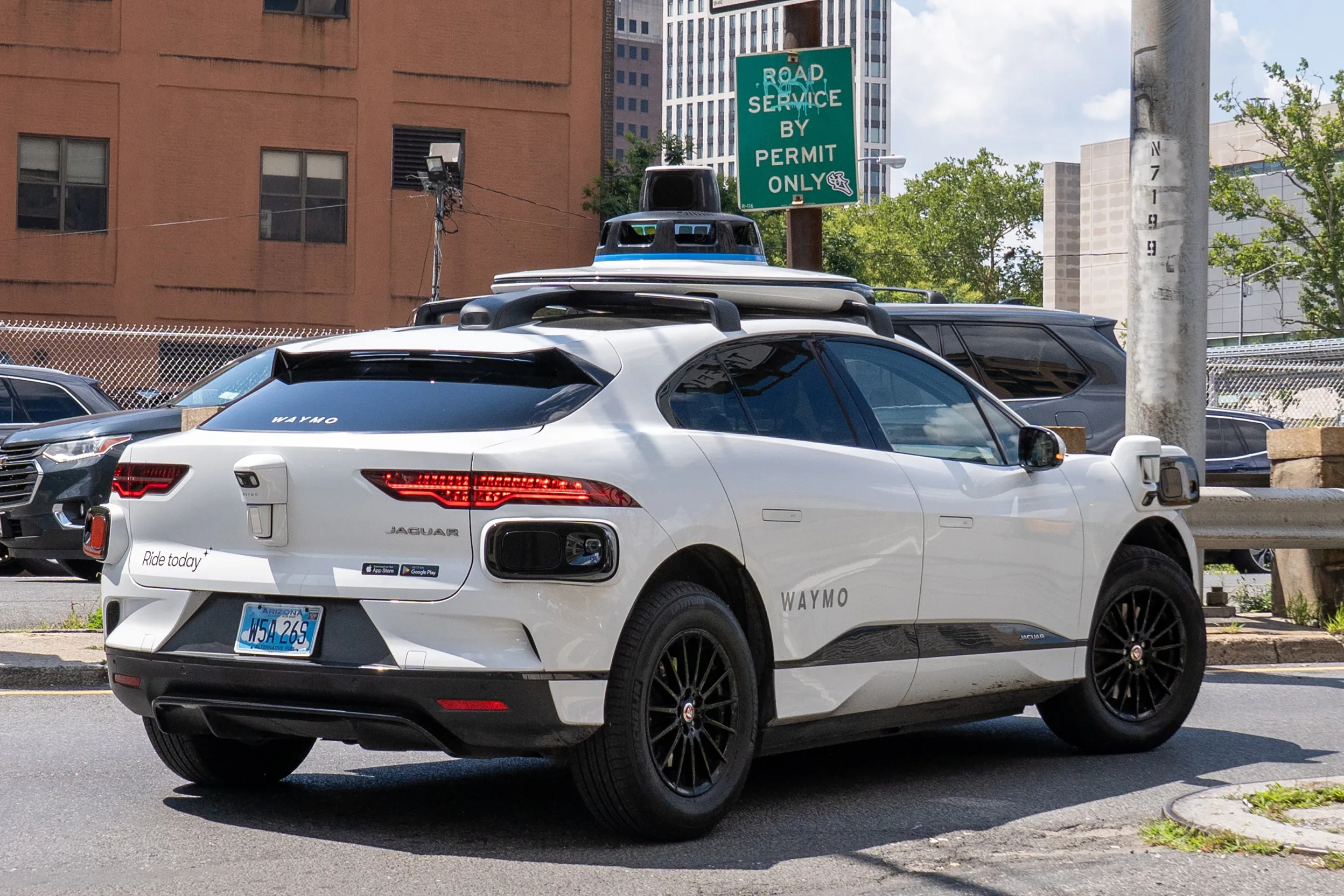
AV traffic rules reshape California road enforcement as the state introduces penalties for driverless car violations today. Moreover, officials say AV traffic rules will allow police to hold autonomous vehicle companies accountable for illegal driving behavior.
In addition, California’s Department of Motor Vehicles announced new regulations that target autonomous vehicles operating on public roads. Consequently, law enforcement officers can now issue formal notices directly to vehicle manufacturers.
Furthermore, the new system connects police reports with company responsibility instead of individual drivers. As a result, autonomous vehicle operators must respond quickly to enforcement notifications.
Meanwhile, officials confirmed that AV traffic rules take effect on July first across the state. Therefore, companies must prepare systems that comply with updated safety and communication standards.
Additionally, regulators described the policy as the most comprehensive autonomous vehicle framework in the country. However, critics continue to monitor how effectively companies will follow these requirements.
At the same time, police departments reported repeated challenges when driverless cars violated traffic laws. For example, officers often could not issue traditional citations because no human driver was present.
In one case, a driverless vehicle performed an illegal turn in front of officers during patrol operations. Consequently, police contacted the operating company instead of issuing a standard ticket.
Moreover, a major blackout in San Francisco caused multiple autonomous vehicles to stop inside intersections. As a result, traffic congestion increased significantly during emergency conditions.
In addition, emergency responders reported delays when robotaxis blocked routes during urgent operations. Therefore, fire departments raised concerns about coordination between autonomous systems and public safety teams.
Furthermore, the new AV traffic rules require companies to respond to emergency communications within thirty seconds. Similarly, penalties may apply if vehicles enter restricted or active emergency zones.
Meanwhile, companies such as Waymo and Tesla continue testing autonomous vehicles in California cities. However, regulators emphasize that testing must comply with updated safety expectations.
Additionally, state officials argue that AV traffic rules improve public safety and strengthen accountability standards. Consequently, they believe these changes will support the responsible growth of autonomous transportation.
Moreover, transportation experts say these regulations may influence other states developing similar systems. As a result, California could set a national benchmark for autonomous vehicle enforcement.
Finally, officials expect companies to upgrade software systems to meet compliance requirements quickly. Therefore, the state continues balancing innovation with public safety priorities across its road network.

