Hormuz crisis tensions continue as Iran declines participation in upcoming peace talks while the United States increases diplomatic and security activity in the region. Officials describe ongoing disagreements over conditions for negotiations involving multiple international stakeholders.
Iran announced it will not attend scheduled talks in Pakistan, citing unresolved differences over proposed terms. The United States plans to send senior officials, including the vice president, for discussions aimed at addressing regional stability concerns.
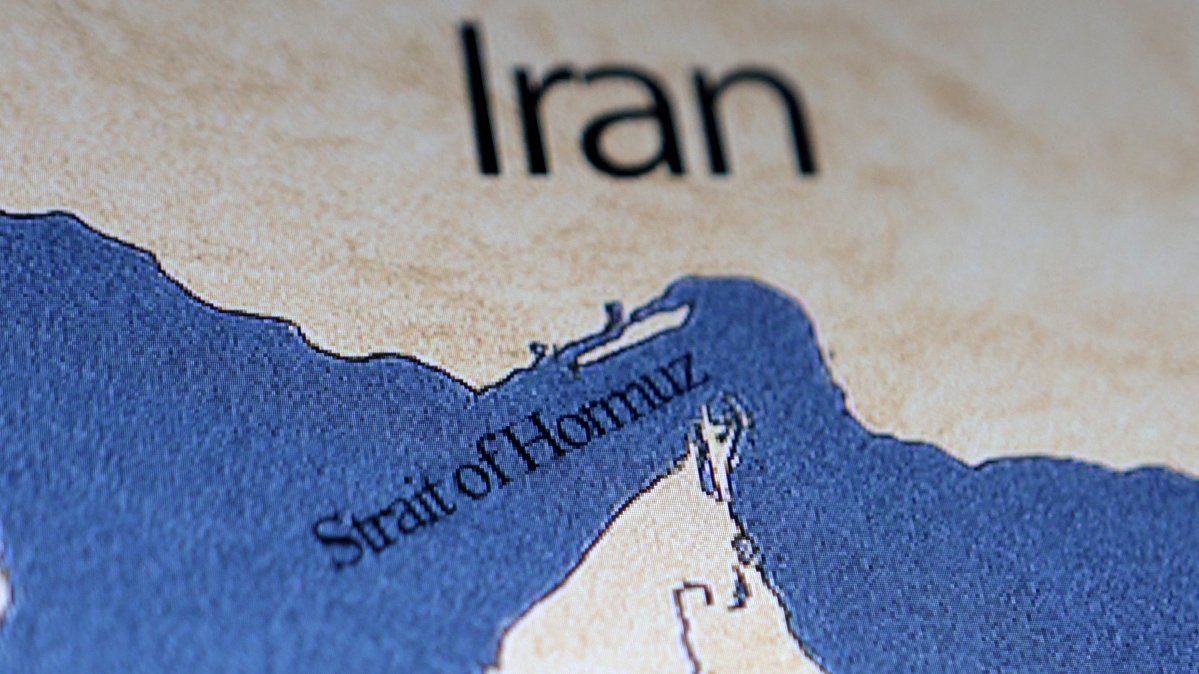
Military activity has increased near the Strait of Hormuz following reports of a recent interception of an Iranian vessel by United States forces. The incident has contributed to heightened attention on maritime security in the area.
Oil markets responded to the developments with price increases as traders assessed potential risks to global supply routes. Investors also reacted to uncertainty surrounding the stability of key energy transportation corridors.
A ceasefire arrangement related to the broader conflict is approaching its scheduled expiration without confirmation of renewal. This timing has added uncertainty to ongoing diplomatic efforts between the involved parties.
Iranian officials referenced Hormuz crisis tensions in explaining their decision not to participate in the upcoming negotiations. United States officials have stated that additional measures remain possible if diplomatic progress does not occur.
Regional naval forces have expanded monitoring operations in nearby waters as part of increased security activity. International observers continue tracking movements in the Strait of Hormuz due to its importance for global trade.
Financial markets have shown sensitivity to the situation, with stock futures adjusting in response to geopolitical risk factors and energy supply concerns. Analysts note that energy prices remain closely tied to developments in the region.
Diplomatic mediators continue to encourage dialogue between both sides in an effort to reduce tensions and support renewed negotiations. However, differences in position remain a key obstacle to progress.
Shipping routes through the Strait of Hormuz remain under close observation by international maritime authorities. These waters are considered critical for global oil transportation and trade stability.
Overall, Hormuz crisis tensions remain elevated as diplomatic discussions stall, military activity continues, and markets respond to uncertainty in the region.