
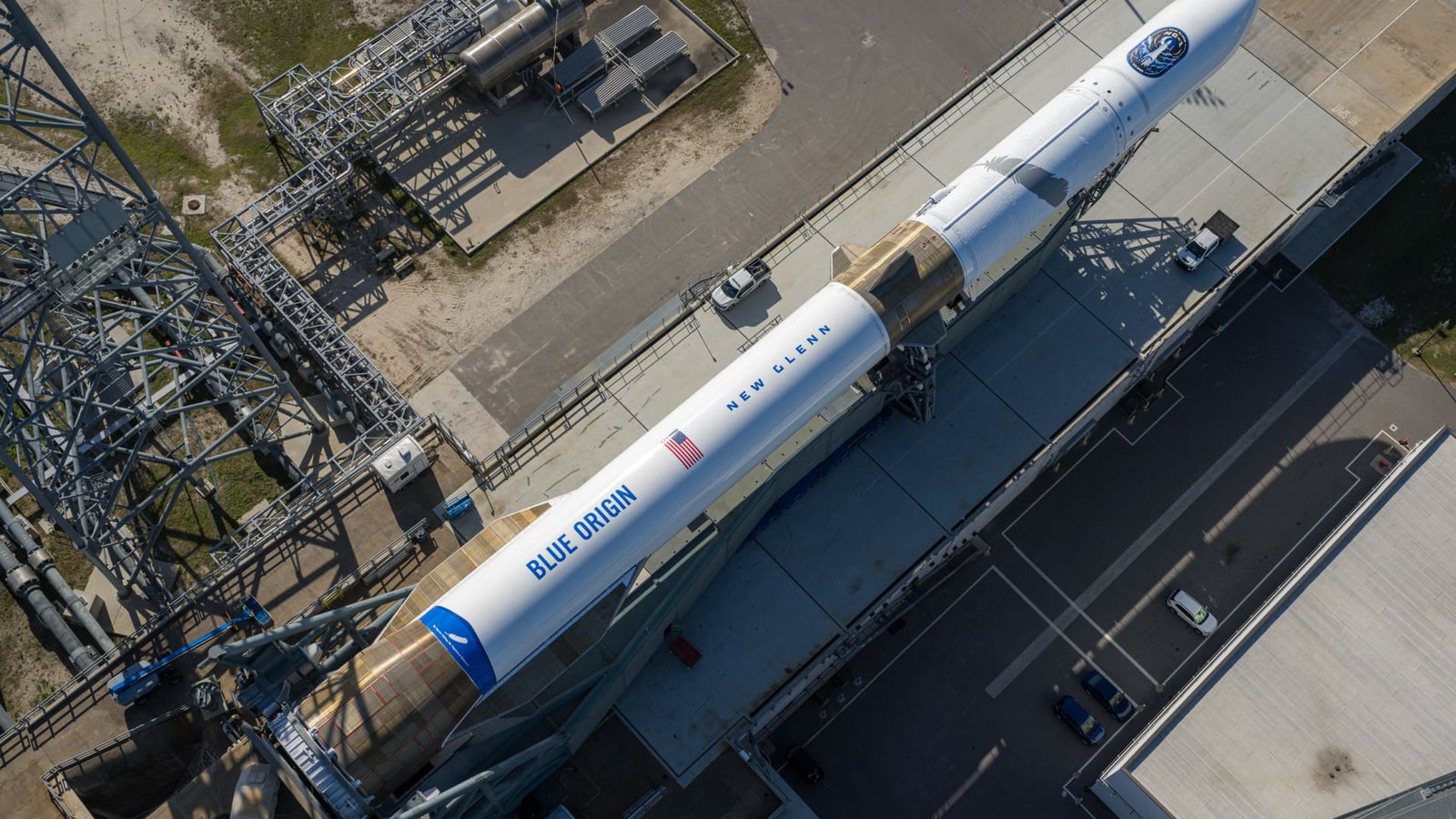
Rocket orbit error defined the outcome of Blue Origin’s third New Glenn mission after the rocket delivered a satellite into an incorrect orbital position. The launch took place from Cape Canaveral and marked another step in the company’s commercial space program.
Blue Origin successfully launched the New Glenn rocket and achieved a major milestone by reusing its first stage booster. The booster returned to Earth and landed on an ocean-based drone ship after separation, demonstrating continued progress in reusable rocket technology.
However, the mission encountered a complication when the upper stage placed the AST SpaceMobile BlueBird 7 satellite into a lower orbit than planned. Engineers later confirmed that rocket orbit error prevented the satellite from reaching a stable operational altitude.
AST SpaceMobile reported that the satellite activated successfully after separation from the rocket. Even so, the reduced orbital height made it unsuitable for long-term service, leading the company to plan its controlled de-orbit.
The company also stated that insurance coverage would offset the financial loss from the failed deployment. It added that additional satellites remain in production and scheduled for future launches as part of its broader communications network.
Rocket orbit error became the central issue of the mission because it affected the primary objective of deploying a fully operational satellite. Blue Origin has not yet released detailed technical explanations regarding the upper stage performance.
The New Glenn rocket program has only recently entered operational service after years of development. This mission represented one of its early commercial satellite deployment attempts following previous test flights.
Despite the orbital issue, the booster reuse demonstrated continued advancement in launch system recovery capabilities. Engineers successfully landed the rocket stage at sea, marking another step toward reusable launch operations.
The mission also drew attention because Blue Origin aims to support future NASA programs, including lunar missions under the Artemis initiative. Reliable orbital insertion remains essential for both commercial and government space operations.
Industry observers noted that rocket orbit error highlights the challenges of precision navigation during complex multi-stage launches. They also emphasized that early-stage programs often experience technical adjustments as systems mature.
Blue Origin continues reviewing flight data to understand the cause of the orbital deviation. Engineers will use this information to improve guidance systems and reduce the risk of future mission errors.
Rocket orbit error remains under analysis as the company prepares for upcoming launches and expanded commercial contracts. The outcome of this mission will likely influence future planning and system upgrades.
Overall, the mission combined a successful booster landing with an unsuccessful orbital deployment, reflecting both progress and challenges in New Glenn’s early operational phase.

